Ukraine will not become full member of EU until end of war, Merz says

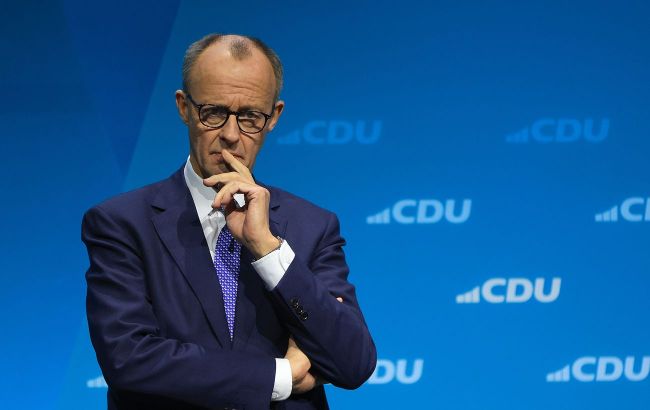 Photo: German Chancellor Friedrich Merz (Getty Images)
Ukraine will not be able to obtain full membership in the European Union until the war is over. However, Kyiv could receive associate membership status as an intermediate step toward integration, states German Chancellor Friedrich Merz following a meeting of the European Council in Brussels.
Alternative integration model
The German chancellor explained that the proposed model of associate membership for Ukraine does not require any changes to the EU’s founding treaties. Similar precedents have already existed in the history of European integration.
"Associate membership is possible without changing the treaties. And we have precedents for that," Merz said.
As an example, he cited German reunification, when representatives of the former GDR were granted observer status in the European Parliament without voting rights.
Difference from the Western Balkans
Merz stressed that the situation in Ukraine is unique and significantly different from the countries of the Western Balkans due to the ongoing full-scale war.
"A country like Ukraine, which is in a state of war, cannot become a member of the European Union, but it could become an associate member of the European Union, and later a full member of the European Union," the German leader summarized.
European leaders plan to discuss this proposal and the broader issue of EU enlargement in detail at the next European Council meeting scheduled for October.
According to the chancellor, these initiatives are currently "on the table."
What came before
On June 15, 2026, Ukraine officially opened the first negotiation cluster called Fundamentals, which covers reforms in the areas of the rule of law, justice, freedom, and fundamental human rights.
In total, for full EU membership, Ukraine must fully align with six thematic clusters of EU legislation. It is expected that the remaining five clusters could be opened in July or autumn 2026.
The long-standing Hungarian veto was lifted after Hungary’s new prime minister, Péter Magyar, agreed to support the start of negotiations in exchange for Kyiv’s commitments to protect the linguistic, cultural, and educational rights of minorities in Zakarpattia. Despite this progress, the path forward is not expected to be quick.
In particular, Hungarian Prime Minister Péter Magyar said that EU member states have widely differing views on further cluster openings. Budapest supports merit-based accession and argues that accelerating Ukraine’s accession process would be unfair to the Western Balkans. Meanwhile, France and Poland have already raised their own conditions regarding Ukrainian exports and the overall pace of EU enlargement.
The most optimistic timeline for Ukraine’s EU accession remains 2030, although it could shift due to internal EU debates and the speed of reforms adopted by the Verkhovna Rada and the government.
For more details on possible obstacles and the positions of EU member states, see the RBC-Ukraine material Ukraine's 2030 EU goal: What could slow it down.