UK urges households to stockpile food over fears of Russian cyberattacks

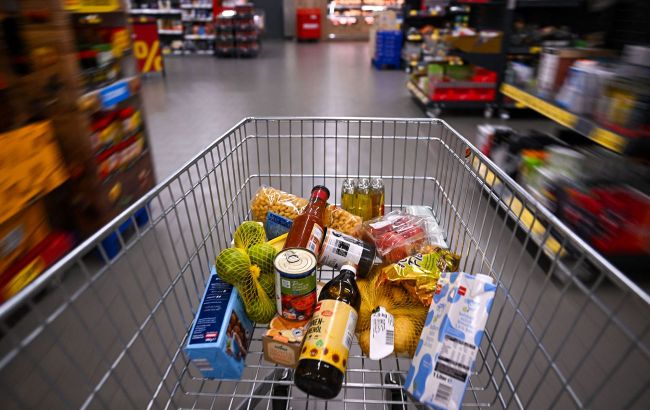 A cyberattack could leave Britons unable to buy food (photo: Getty Images)
The UK government is preparing a public campaign advising households to stockpile food and water in the event of a Russian cyberattack. The move is part of the country's broader preparations for a potential conflict, The Telegraph reports.
What Britons will be advised to do
Later this year, ministers will launch a public information campaign advising people how to prepare for emergencies, including stockpiling food, medicines, and basic survival supplies.
Chief Secretary to the Treasury Darren Jones said the government is launching a national resilience awareness campaign to inform people about simple but important steps to take in the event of an emergency.
Among the possible crises Britons are expected to prepare for is a cyberattack that could affect access to electricity, water, telephone communications, or the ability to buy food in local stores.
Hybrid attack response exercises
Next year, the government will also hold a "national home defense exercise," during which hundreds of civil servants will practice responding to a crisis from within government structures in the event of a hybrid attack by a foreign adversary.
Why the government is concerned now
The decisions are being made amid growing fears of a possible Russian attack on a NATO country and almost constant cyberattacks on the UK's critical infrastructure.
Last year's Strategic Defense Review warned that Britain is "already under daily attack" from espionage, cyber threats, and information manipulation by hostile states, including Russia and Iran.
The document also stated that Putin has demonstrated a willingness to use military force, harm civilians, and threaten the use of nuclear weapons.
Updated National Risk Register
Ministers have also updated the National Risk Register, a public document describing the "reasonable worst-case scenarios" for various threats.
For the first time, it includes the threat of foreign interference in British democracy, as well as the risk of cyberattacks on data infrastructure, water supplies, and police systems.
The level of secrecy surrounding the risk of a nuclear strike on mainland Britain remains high, and this information is not made public.
Experience of other European countries
In Sweden, households have already been advised to stockpile food, water, warm clothing, and a battery-powered radio in case of power outages.
Norway has recommended stockpiling medicines, including iodine tablets, in case of a nuclear incident, while homeowners in Germany have been advised to adapt their basements into bomb shelters.
Last year, the European Union also urged people to prepare a 72-hour emergency kit, including documents in a waterproof case, canned food, bottled water, matches, and a Swiss Army knife.
When a Russian attack could happen
Last month, Prime Minister Keir Starmer said Western intelligence agencies consider a Russian attack on a NATO country possible within the next four years. During the presentation of the long-awaited defense investment plan, he stated that a Russian attack on NATO could happen as early as 2030.
Last year, The Telegraph reported that the government was updating its plans for an attack on mainland Britain for the first time in two decades. The plans include the locations of nuclear bunkers for ministers in the event of an evacuation from London.
Earlier, the Russian cyber threat to the UK had already materialized when Russian hackers breached the email accounts of British government officials and Foreign Office staff overseas, with access to the correspondence later being sold on the dark web.
Google Threat Intelligence Group also identified a new .NET backdoor called STOCKSTAY, which the Turla hacking group is deploying against military personnel and government institutions in Ukraine, as well as European diplomatic missions.
The Security Service of Ukraine, together with the FBI, exposed systematic attempts by Russian intelligence services to hack the messaging apps of officials in Ukraine, Europe, and the United States.