Russian hackers targeted officials across Ukraine, Europe and US

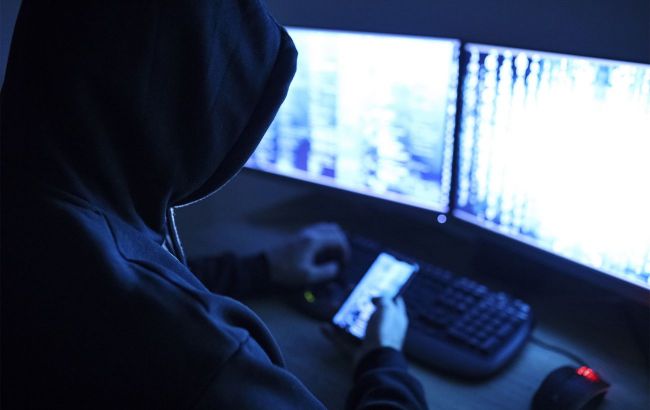 Russian intelligence services were caught attempting to hack the messaging accounts of officials in Ukraine, Europe, and the United States (photo: Getty Images)
The Security Service of Ukraine, together with the Federal Bureau of Investigation, has exposed systematic attempts by Russian intelligence services to hack the messaging accounts of officials in Ukraine, Europe, and the United States, according to the Security Service of Ukraine's press service.
Cybersecurity specialists have exposed Russian intelligence services for carrying out systematic cyberattacks against the messaging accounts of officials, military personnel, politicians, and activists from Ukraine, Europe, and the United States.
The goal of these hacking attempts is to gain access to sensitive military, political, and economic information exchanged by users, as well as to steal their personal data.
For such cyberattacks, Russian hackers use a variety of tools and methods. For example, they most often use SMS messages sent on behalf of "support teams" to trick users into revealing their account passwords.
These attacks are disguised as messages from official bots and are typically sent in the early morning hours, when users are particularly vulnerable due to their physical and emotional state.
The Security Service of Ukraine emphasizes that Russian intelligence services and hackers affiliated with them target not only organizations, officials, and public figures, but also the personal accounts of Ukrainian citizens.
The Security Service, therefore, urges citizens to protect their cybersecurity and follow basic cyber hygiene rules:
-
Regularly check your active sessions in messaging apps and terminate any unknown connections.
-
Enable two-factor authentication. Use a strong alphanumeric PIN code.
-
Never share verification codes, PIN codes, passwords, or account recovery keys with anyone.
-
Do not click on suspicious links, even if they come from someone you know. Their account may already have been compromised.
-
Do not open files from unknown or suspicious chats, especially if you are asked to do so from a computer.
-
Do not scan QR codes sent by unknown bots or users. Attackers can use them to connect their device to your account.
Russian cyberattacks
The activity of pro-Kremlin and allied hacker groups around the world has increased significantly in recent months.
In particular, it became known in March that Russian hackers had launched a large-scale operation targeting the Signal and WhatsApp messaging apps in an attempt to hack the accounts of military personnel and government officials.
In addition, the Dutch Ministry of Finance was hit by a cyberattack. Hackers managed to disable part of the systems supporting the ministry's core operations.
Another high-profile incident occurred in the United States, where attackers hacked the personal email account of FBI Director Kash Patel. The US authorities have offered a multi-million-dollar reward for information leading to the Iranian hackers allegedly responsible for the attack.
Russian intelligence services had changed their tactics and were attempting to inflict physical damage on European infrastructure through destructive cyberattacks.