Trump calls emergency meeting over Iran ultimatum and Hormuz

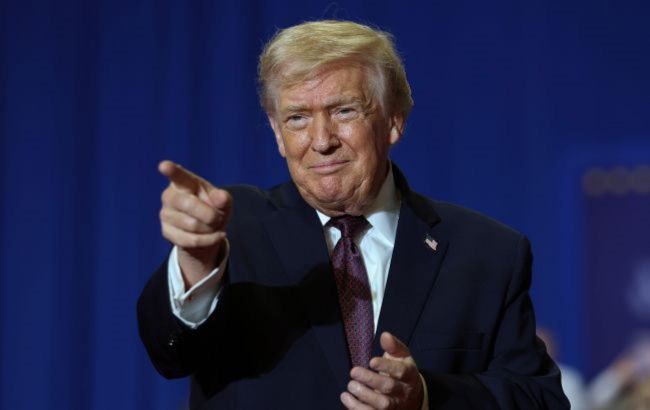 Donald Trump (photo: Getty Images)
The US president convened an emergency meeting in the White House Situation Room amid concerns that a war with Iran could resume within days, Axios reports.
On the morning of April 18, the US leader gathered top officials at the White House, including Vice President JD Vance, Secretary of State Marco Rubio, Treasury Secretary Scott Bessent, and Defense Secretary Pete Hegseth.
The urgent meeting was triggered by Tehran's announcement about closing the Strait of Hormuz and attacks on ships. This came less than a day after Trump's optimistic remarks about a possible deal.
The ceasefire period is set to expire in three days. According to senior US officials, if there is no diplomatic breakthrough in the near term, large-scale hostilities could resume as early as next week.
"Iran got a little cute ... they wanted to close up the strait again. But this country can't blackmail us," Trump later told reporters in the Oval Office.
Despite escalation in the waterway, sources say the sides have made some progress on Iran's nuclear program, including issues related to enriched uranium stockpiles. Tehran is currently reviewing new US proposals delivered through Pakistani mediation.
Trump said Washington continues negotiations and that it will become clear by the end of the day whether a deal will be signed. Pakistan's army chief Asim Munir, who visited Tehran this week, is playing a key mediating role.
Iran's Supreme National Security Council said on Saturday (April 18 – ed.) that the United States had presented new proposals during talks and that Iran is reviewing them but has not yet responded, the outlet added.
Hormuz: Open and closed again
Reopening of the Strait of Hormuz is one of the key points of the peace deal between the United States and Iran. About a week ago, Trump decided to initiate a blockade of the strait for vessels traveling to or from Iranian ports or linked to Iran.
However, on April 17, Iran announced it was lifting its blockade after Israel stopped hitting Lebanon, and a ceasefire came into effect between those countries.
Since then, the situation has become erratic: by the evening of April 18, and even earlier that morning, reports emerged that Iran was again closing the strait, saying it would remain shut until the United States restores full freedom of navigation.
In addition, media reports that the United States is preparing to seize Iranian-linked ships worldwide, while Iranian forces continue tightening control over Hormuz, having attacked several commercial vessels.
At the same time, Trump recently announced that a deal with Iran could be signed within "a day or two." According to preliminary reports, Tehran agreed to an indefinite suspension of its nuclear program without unfreezing its assets in the United States.