Sanctions push Russia into new wave of technology theft — AP

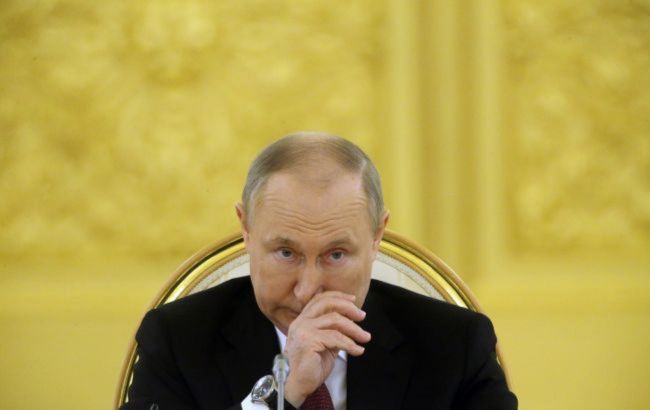 Russian President Vladimir Putin (photo: Getty Images)
Russian intelligence services have become more aggressive in stealing Western technology and defense secrets as sanctions put increasing pressure on the country's war-driven economy, the Associated Press reports.
AP sources say Russian operatives are creating front companies, recruiting intermediaries, and deploying cyber spies and hackers to gather information that could also be used in attacks on critical infrastructure.
Four years of international sanctions have limited Moscow's ability to purchase equipment, technology, and research from Europe, while the war in Ukraine has strained key industries and pushed the country closer to a potential financial crisis.
"They really know what they need" and are making "serious effort" to acquire advanced machine tools, industrial equipment, research, and dual-use technologies, said Christoffer Wedelin, deputy head of operations at Swedish Security Service.
What Russia is targeting
In Sweden, Moscow is focused on the defense industry and the development of cutting-edge weapons systems, including the Gripen fighter jet. Russia is also seeking to obtain civilian camera and laser technologies that can be integrated into its weapons systems.
Juha Martelius, director of the Finnish Security and Intelligence Service, said Russia is seeking to keep pace with the West over the coming decades.
"We're talking about space technology, quantum ... arctic technology, maritime technology," he said, adding that Moscow needs space technology "right now."
Russia is also seeking access to sanctioned computer technology and software updates for industrial machine tools.
Cyberattacks, sabotage
Moscow is carrying out cyberattacks against European companies and critical infrastructure to collect information it could use "when they get the chance and when it serves their purpose," Wedelin said.
He pointed to an attack on a Swedish power plant last year, in which Russia-linked actors attempted to destroy the facility, but the intrusion was detected by security systems. According to him, the attack was partly aimed at undermining Western support for Ukraine.
Wedelin said the incident marked a shift in Russia's methods.
"They're no longer caring as much about potential attribution after their activities, so they are taking greater risks to achieve their goals," he said.
Economic pressure grows
The increasingly aggressive tactics may reflect internal concerns about an economy that "is not doing well at all," said Kaupo Rosin, head of Estonia's Foreign Intelligence Service.
According to Martelius, about one-third of Russia's GDP is now being directed toward military spending.
Russian officials planned a budget deficit of 3.7 trillion rubles ($52.1 billion) for all of 2026, but by the end of February, it had already reached about 3.4 trillion rubles ($47.9 billion), Rosin said.
He added that if Western pressure continues, Moscow could face a financial crisis by the end of the year.
Rosin says intelligence assessments indicate a more pessimistic mood among Russian officials over the past six months.
Note that despite sanctions, Russia continues to obtain key technology through China. According to sources, more than 90% of sanctioned technology reaching Moscow — including semiconductors and electronics used in weapons production — comes from China.
Recently, German authorities uncovered a large-scale scheme for supplying technology to the Russian military. The network reportedly handled around 16,000 shipments worth more than €30 million, and those involved could face up to 10 years in prison.