Russian tourists and troops are fleeing Crimea as Ukraine's attacks intensify, ISW says

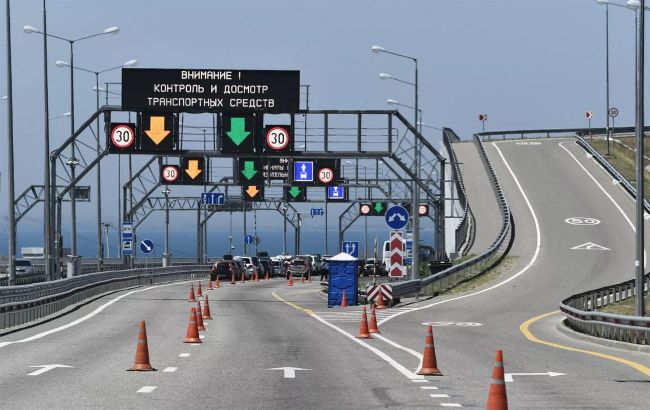 Photo: Russian tourists and military personnel are fleeing Crimea en masse over Ukrainian strikes (Russian media)
Ukraine's attacks are driving Russian tourists, residents of occupied Crimea, Russian military personnel, security service officers, and occupation officials to leave the occupied peninsula massively, according to the Institute for the Study of War (ISW).
Analysts note that the outflow of this population from occupied Crimea could have short-term demographic consequences that may intensify over the long term if Ukraine's strike campaign continues.
ISW experts also point out that on June 26, Russian leader Vladimir Putin signed a decree extending the existing ban on Russian oil companies exporting oil and petroleum products at prices that comply with the G7 and EU price caps until December 31, 2027.
Putin introduced the ban in December 2022, and his decision to extend it amid persistent fuel shortages and price spikes in Russia is likely intended to signal that Russia does not need to comply with Western sanctions despite its ongoing economic difficulties.
ISW emphasizes that Ukraine's intensified strike campaign against Russian oil infrastructure and logistics since March 2026 has affected Russia's oil and gas revenues and led to worsening fuel shortages across the temporarily occupied territories of Ukraine and in many Russian regions.
"Intensified Ukrainian strikes against Russian oil infrastructure will likely continue exacerbating Russian supply shortages amid increasing demand that the Russian government will not be able to ignore," the analysts predict.
Situation in Crimea
On the night of June 25, Ukraine's Unmanned Systems Forces carried out a large-scale attack on the peninsula. Ukrainian drones struck nearly 40 Russian military and logistics facilities, including the Tavriyskaya thermal power plant, major electrical substations, radar stations, and an oil depot in Dzhankoi.
On June 26, the occupation authorities announced a regional state of emergency across the entire territory of Crimea and the city of Sevastopol.
The head of the occupation authorities, Sergey Aksyonov, said the decision took effect at 1:00 p.m. and was intended to "streamline economic matters."
The move came after a high-profile statement by Ukrainian President Volodymyr Zelenskyy. The head of state said Ukraine's operation in Crimea had been carefully calculated.
He stressed that if Ukraine's G7 partners provide the capabilities discussed, Kyiv will quickly create conditions under which Russia will be forced to choose peace.