Russian censorship keeps footage of burning Wildberries warehouses off air

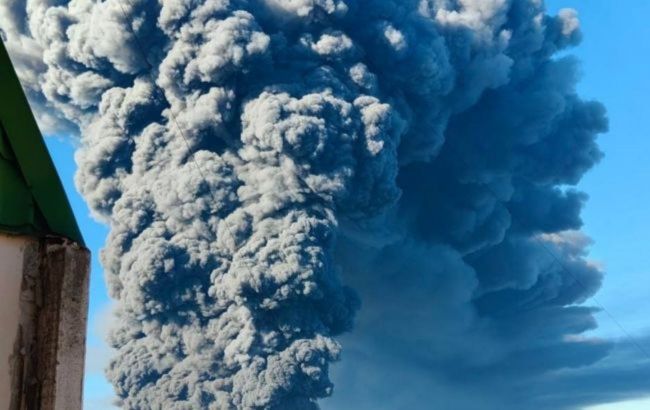 Fire at Wildberries warehouses in Russia (photo: Russian media)
Russian television channels and state-censored online media largely avoided showing their audiences the aftermath of Ukrainian strikes on Wildberries warehouses on July 18, Agentstvo.Novosti media outlet reported.
How Russian media covered Ukrainian strikes
Monitoring indicates that none of Russia's television channels featured the strikes on Wildberries warehouses among the top stories of the day in their morning or daytime newscasts.
Most mentioned the attacks only briefly, after leading with reports on the operations of the Russian army in Ukraine.
According to the monitoring authors, the 10 a.m. news broadcast on the NTV channel devoted just 40 seconds to the Wildberries attacks. After summarizing posts by the governors of the Moscow and Tambov regions, the anchor moved on to other stories.
The 11 a.m. news program on Rossiya 1 (Russia 1) covered the attack in a similar way, also allocating about 40 seconds immediately after a report on Russian military actions in Ukraine. In addition to the governors' statements, the channel included comments from the Investigative Committee's official spokesperson.
Pervy Kanal (Channel One) reported on the incident during its noon newscast without showing any photos or video from the scene or airing a full report. The story came immediately after the program's headlines and lasted about two minutes.
The monitoring authors emphasized that none of the television channels broadcast footage of the warehouse fires.
Aftermath of strikes on #Wildberries warehouses on July 18, which #Russian TV channels and censored online media avoided showing to their audiences pic.twitter.com/DUEw9OyhSJ
— RBC-Ukraine (@NewsUkraineRBC) July 18, 2026
What pro-security Telegram channels hide
According to monitoring, Telegram channels linked to Russia's security services also avoided publishing footage of the fires.
The only image widely reposted by Russian media was a photo originally shared by Moscow Region Governor Andrey Vorobyov.
A Telegram channel belonging to Russian journalist and media manager Ksenia Sobchak published only two posts about the attack.
The first post included an explanation of why it did not feature images of the strike aftermath, despite such photos already circulating online.
"The reason we are not publishing photos of the strike aftermath that are already circulating online is that Russian authorities have banned both media outlets and ordinary citizens from publishing the consequences of attacks, except for official reports. We fear possible penalties even for publishing images that do not reveal the location," the editorial team said.
Russian censorship prevents the public from seeing the consequences of the July 18 attack on the warehouse in #Elektrostal. In several Russian regions, publishing photos and videos of strike impacts and air defense activity has been banned pic.twitter.com/DKB78CJadQ
— RBC-Ukraine (@NewsUkraineRBC) July 18, 2026
Bans imposed in Russian regions
Authorities in the Tambov region prohibit the publication of information about drones and air defense operations.
No such ban has been publicly announced in the Moscow region, but a similar restriction has been in force in the city of Moscow since mid-May.
Notable that on the night of July 18, a major fire broke out at a Wildberries warehouse in Elektrostal, in the Moscow region.
Ukrainian President Volodymyr Zelenskyy confirmed strikes on logistics facilities in the Moscow and Tambov regions, located more than 500 kilometers and about 700 kilometers from the front line, respectively.
In addition to the Wildberries warehouse in Elektrostal, an oil depot in Noginsk was also hit. Explosions were also reported in Russia's Tver and Vladimir.