Russia to import diesel after gasoline as fuel crisis deepens, media reports

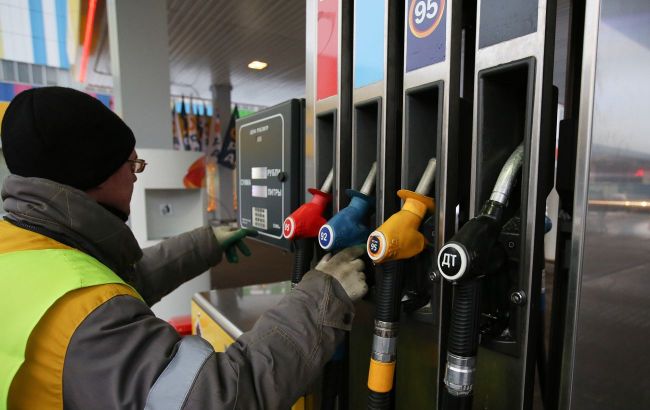 Photo: Russia will buy diesel abroad (Getty Images)
Russia is preparing to import diesel fuel from abroad for the first time in its history due to a critical decline in domestic production, The Moscow Times reports.
Government decision details
According to the outlet, the Russian government has already prepared the legal framework that will allow diesel imports to begin. Previously, Russia had already been forced to purchase gasoline from Belarus, Kazakhstan, and India.
To facilitate diesel imports, a so-called import damping mechanism will be introduced. Under this system, Russian oil companies will receive budget subsidies.
The state will compensate them for the gap between high global fuel prices and domestic Russian prices. According to Russian Energy Minister Sergey Tsivilyov, this is intended to maintain the economic viability of supplies for importers.
Why the fuel shortage emerged
Historically, Russia was one of the world's largest diesel exporters, shipping about 40-50% of its total production abroad. However, the situation has changed dramatically.
The main reasons behind the fuel crisis include:
- Refinery strikes. Attacks on Russian oil refineries by Ukrainian drones have pushed the country's oil processing volumes to their lowest level in 20 years.
- Falling production. Diesel output has dropped by nearly 40%, exceeding the decline in gasoline production, which has fallen by about 25%.
Impact on consumers
Russian farmers in the country's south are already reporting widespread diesel shortages just as the harvesting season gets underway.
Due to fuel shortages, local gas stations have imposed strict purchase limits of 100 or 200 liters per customer. Meanwhile, a single combine harvester requires at least 300 liters of diesel per shift.
Diesel prices in Russia jumped by 18.1% by the end of June, marking the sharpest increase in the past 15 years. In the Southern Federal District, the average price reached 110 rubles per liter, despite the fact that diesel exports from Russia are currently fully suspended.
India is considered the most likely diesel supplier to Russia. Russian companies reportedly plan to turn to Indian refineries if the situation continues to deteriorate.
Analysts currently estimate Russia's monthly fuel products shortage at between 400,000 and 600,000 metric tons.
Consequences of refinery strikes and the Kremlin's response
Earlier, retail fuel prices in Russia recorded another sharp increase. The situation worsened after Ukrainian drones forced one of the country's largest oil refining complexes, Gazprom Neftekhim Salavat in Bashkortostan, to suspend operations for an extended period.
As a result of the July 14 attack, both primary crude oil processing units at the facility were completely disabled.
The scale of the problem prompted a response from Russia's top leadership. Russian leader Vladimir Putin publicly acknowledged that the country is experiencing certain problems with gasoline.
Amid Ukraine's long-range strikes and domestic fuel shortages, the Kremlin leader once again lashed out with threats against Ukraine.
Experts say Russia's fuel crisis continues to deepen, while disruptions in petroleum product supplies are becoming increasingly systemic.
Read more about the current trends and the consequences of Russia's fuel shortage in the RBC-Ukraine report.