Russia's 'big wins' on the front are fake, ISW reveals real numbers

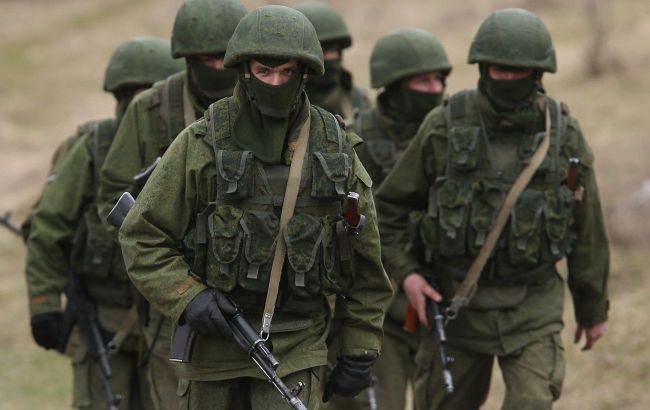 Illustrative photo: ISW exposed Russia's lies about large-scale "successes" on the front (GettyImages)
The Kremlin is attempting to persuade the West to halt support for Ukraine by spreading disinformation about Russia's supposedly inevitable victory on the battlefield. However, verified data tell a very different story, according to a report from the Institute for the Study of War (ISW).
Russian claims of "success"
Chief of the Russian General Staff’s Main Operational Directorate, Sergey Rudskoy, claimed that since the start of 2026, Russian forces had allegedly captured around 900 square kilometers and 42 settlements.
He also stated that in 2025, the Russian army captured over 6,700 square kilometers and more than 300 settlements.
In addition, Russia claims control over "more than half" of Kostiantynivka and progress in the Zaporizhzhia and Dnipropetrovsk regions, while simultaneously acknowledging Ukrainian counterattacks in those areas.
What ISW analysts say
ISW analysts note that confirmed Russian gains are far more modest. According to their calculations, since the start of 2026, Russian forces have captured only 19 settlements and roughly 572 square kilometers — significantly less than claimed by Russian command.
Experts also estimate that Russian forces have advanced in only about 7% of Kostiantynivka.
In Zaporizhzhia region in 2026, Russia captured roughly 99 square kilometers and just three new settlements, while Ukrainian forces regained control of 86 square kilometers and retook several positions.
Why Russia inflates the numbers
ISW assesses that Russian authorities present the capture of small border villages as major victories to create the impression of inevitable Russian superiority and influence Western countries’ stance on supporting Ukraine.
Analysts also note that Russian forces conduct limited cross-border attacks in northern Sumy region primarily for informational purposes — to give the impression of a breached frontline.
At the same time, according to ISW, Russia’s advances remain slow and costly. In 2025, Russian forces advanced an average of 13–15 square kilometers per day, losing about 83 troops for every square kilometer gained.
According to Southern Defense Forces spokesperson Vladyslav Voloshyn, Ukrainian defenders are actively conducting assault and counterattack operations in the Oleksandrivka direction, aiming to halt Russian advances toward Dnipropetrovsk region.