Russia’s auto sector strains as KAMAZ cuts workweek and AvtoVAZ halts production

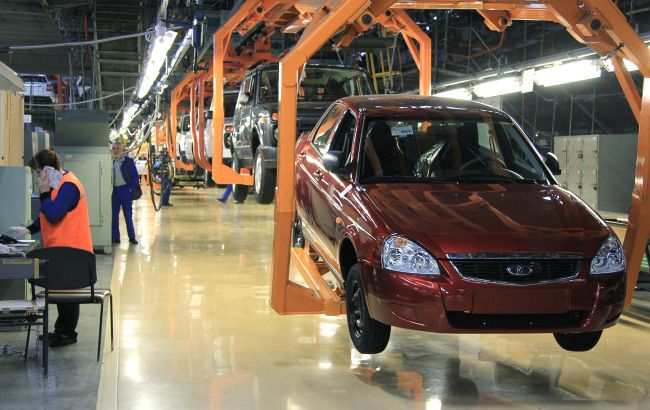 The Russian automotive industry is going through not its best times (Photo: Getty Images)
Russia's two largest automobile manufacturers, KAMAZ and AvtoVAZ, have found themselves in a systemic crisis that the official rhetoric about the industry's resilience can no longer conceal, reports Ukraine's Foreign Intelligence Service.
KAMAZ: Losses and cutbacks
Starting June 1, 2026, KAMAZ will switch to a four-day work week. This is not the first such move — a similar measure was already applied in the summer of 2025.
For the full year 2025, the company recorded a sales loss of $284 million (compared to a profit of $11.3 million the previous year). In March 2026, the ACRA agency downgraded KAMAZ's credit rating from AA(RU) to A(RU), citing a decline in profitability and a worsening ability to service its debts.
Sales of heavy trucks in Russia in January–February 2026 fell by approximately 40% compared to the same period last year. The key reason is the Central Bank's tight monetary policy, which has made loans and leasing virtually unaffordable.
In the heavy-duty segment (over 16 tons), KAMAZ still holds a 37% market share, but the Chinese manufacturers FAW and Sitrak together already control 21%. In the medium-duty segment, JAC, Dongfeng, and Foton collectively hold about 20% market share, offering better features at lower prices. The company's management does not expect to turn a profit in 2026, aiming only to break even.
AvtoVAZ: Shutdowns and falling sales
AvtoVAZ is sending employees on corporate leave in May, officially citing large-scale modernization of production lines. The real reason is overflowing warehouses due to weak demand.
In March 2026, while the overall new passenger car market in Russia grew by 31%, Lada sales fell by 17.4%. AvtoVAZ became the only major player not to benefit from the broader recovery.
The market is being actively recaptured by localized Chinese models Haval, Tenet, and Belgee, as well as global brands through parallel imports. Lada cannot compete on either price or consumer features.
Kirill Dmitriev heads the Russian Direct Investment Fund (RDIF) and is considered close to Putin. He already visited the United States in February 2026 for consultations on resolving the war in Ukraine.
His current visit comes amid increasing Western pressure: France is doubling penalties for shadow fleet vessels, and Russia's oil and gas revenues are rapidly declining.
Russia is also trying to circumvent sanctions through crypto platforms in Africa.