'Revolution bubble' for Ukraine didn't work: Why Kremlin's winter destabilization plan failed

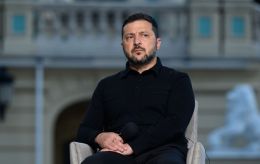
 Andrii Kovalenko, head of Ukraine's Center for Countering Disinformation (screenshot of video)
Russia's attempts to collapse Ukraine's energy system and spark domestic protests this winter ended in total failure. The enemy failed to achieve any strategic goals despite spending billions on propaganda, says Andrii Kovalenko, head of the Center for Countering Disinformation under the Ukrainian National Security and Defense Council.
Read also: Another attempt to hide the truth: Russia bans website listing thousands of dead soldiers
Failure of "total blackout"
According to Kovalenko, Russia's key plan during the winter attacks was to create an energy catastrophe, which they hoped to use to destabilize the country internally.
However, the efforts of Ukrainian energy workers and public engagement thwarted Kremlin plans.
"The Russians could not create an 'information bubble of revolution.' Many of their bot farms were simply blocked, and work with the population was conducted 24/7. People vented anger, but were informed of the real situation. This is a case where truth wins," he emphasized.
Defeat in information war
Despite enormous resources, Russia is losing the strategic narrative both in the West and in Ukraine. It failed to discredit European support for Ukraine or sow discord between military and political leadership.
"We can say that Russia loses the information war, despite spending billions every year. Yes, they have the infrastructure and resources… but billions clearly do not translate into any advantage," the head of the Center concluded.
He also noted that Moscow has already lost ground on several key fronts, including narratives about "persecution of believers," blaming Ukraine for unwillingness to pursue peace, and meddling in Moldova's elections.
Propaganda as Kremlin's weapon
Russian propaganda continues to spread disinformation targeting both Ukrainian society and Western partners.
In particular, it actively exploits the Peace Formula topic to discredit Ukraine's diplomatic efforts with fake narratives.
Russians also continue to manipulate religious topics, including Christmas, attempting to create artificial separation among believers.
To spread falsehoods, Russia increasingly uses modern technology.
Previously, it was reported that propaganda massively circulated fake messages generated with artificial intelligence.
At the same time, strict censorship continues inside Russia—recently, authorities imposed new bans to further hide the truth about the war from its people.