Another attempt to hide the truth: Russia bans website listing thousands of dead soldiers

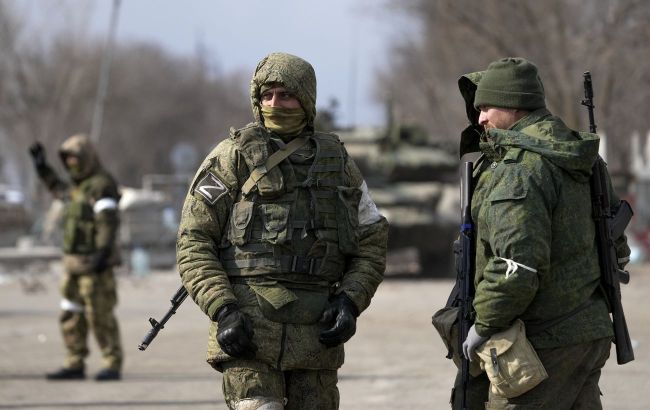 Photo: Russia has blocked the website of the I Want to Return project, which publishes data on the losses of the Russian soldiers (Getty Images)
In Russia, the website of the I Want to Return project (Hochu Vernut), which publishes data on killed and wounded Russian soldiers, has been blocked. This is part of the Kremlin’s attempt to hide the true losses of its army in the war against Ukraine, according to the Coordination Headquarters for the Treatment of Prisoners of War.
The Kremlin hides the truth
I Want to Return project, run by the Coordination Headquarters for the Treatment of Prisoners of War, publishes lists with the names, ID numbers, and medical diagnoses of Russian military personnel. The database currently contains information on over 156,000 killed and 96,000 wounded soldiers.
The Coordination Headquarters for the Treatment of Prisoners of War emphasized that the blocking of the resource by Roskomnadzor shows the Russian leadership’s fear of its own population.
"This is yet another attempt by the Kremlin to hide from its own society the real scale of Russian army losses in Ukraine. The authorities are afraid to show the true consequences of the war," the statement said.
Access via VPN
The project launched in January 2026, but within a month, Russia began restricting access to it within the country. Now, relatives of the soldiers have to use VPNs and other services to find out the fate of their loved ones.
"The site’s statistics show that, despite the blocking in Russia, hundreds of users from the aggressor country check the losses database daily, trying to find out the real fate of Russian soldiers," the Coordination Headquarters added.
Internet service blocking in Russia
Russia continues to tighten control over the information space.
Previously, strict internet censorship was implemented, effectively giving the FSB the ability to block any resources without a court order.
Recently, following a slowdown of YouTube, the popular messenger app was completely blocked in Russia. The official reason cited violations of legal requirements, but experts link the move to attempts to suppress secure communication channels used by opposition-minded citizens.