Orbán blocks critical 90 billion euro loan to Ukraine, says FT

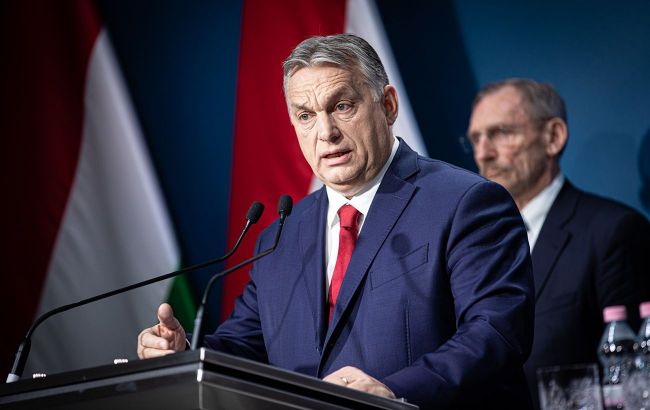 Photo: Hungarian Prime Minister Viktor Orbán (facebook.com.orbanviktor)
Hungary has blocked the European Union’s 90 billion euro loan to Ukraine, which was intended to help stabilize the country’s finances amid the war, Financial Times reports.
Read also: Ukraine one step away from IMF loan: Meeting date revealed
Details of the Hungarian veto
According to the Financial Times, during a meeting of EU ambassadors, Hungary’s representative opposed the bloc raising funds for Ukraine through joint debt backed by the EU budget.
Since such a decision requires unanimous approval from all 27 member states, Budapest’s position effectively halted the process.
The loan is critically important for Kyiv, as Ukraine could face a budget deficit as early as April. Additionally, receiving these funds is key to the success of IMF negotiations on an 8 billion euro program.
Political context in Hungary
The blocking of aid comes amid Hungary's preparations for elections. Prime Minister Viktor Orbán, whose party is currently trailing the opposition Tisza party in polls, has intensified anti-Ukraine rhetoric.
He specifically blames Ukraine for halting the Druzhba pipeline, though it was damaged by Russian attacks.
Hungarian state media have also promoted the narrative that financial support for Kyiv only prolongs the war at the expense of Hungarian taxpayers.
Consequences for Ukraine
The Financial Times reports that if the decision is not unblocked, Ukraine risks facing a financial collapse in the second quarter of the year.
This loan was considered an alternative after EU countries failed to agree on using frozen Russian assets to fund Ukraine’s needs.
EU once again at a standstill
Earlier, the EU revealed details of the 90 billion euro loan to Ukraine, which was supposed to become the main source of budget support. The decision was preceded by lengthy disputes within the bloc, particularly over mechanisms for guaranteeing the loan.
RBC-Ukraine also reported that during discussions, an initiative was proposed for the EU to charge a commission on the funds provided to Kyiv.
Despite all disagreements, until recently, the parties believed the EU was close to final approval of the loan, but Hungary’s veto has again put the process on hold.