Oil throughput at Russian refineries falls to a 16-year low

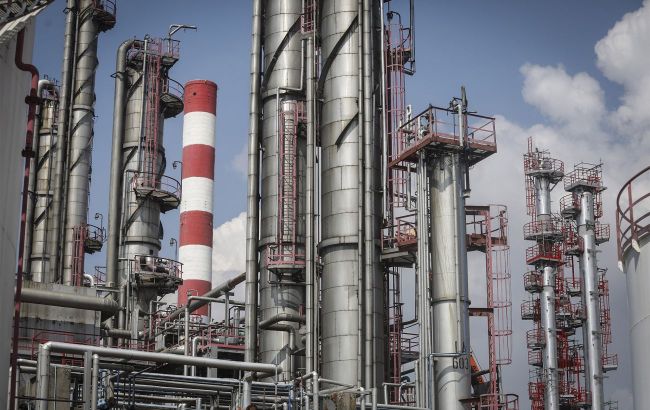 Illustrative photo: oil throughput at Russian refineries falls to a 16-year low (Getty Images)
In 2025, oil throughput at Russia's refineries fell to its lowest level since 2010, dropping to 228.34 million tons, Kommersant reports.
According to media reports, the decline in oil throughput is allegedly linked to unscheduled maintenance at refineries following a "wave of external impacts" in the second half of 2025.
From August to November 2025, Russian refineries received a total of 85.9 million tons of oil, compared to 90 million tons during the same period in 2024. This period also saw the "majority of incidents" at Russian refineries, which likely refers to attacks by Ukrainian drones on the oil-processing plants.
According to analysts at Argus, the largest decrease in 2025 occurred at Rosneft – Russia's biggest refiner. The company’s refinery throughput fell by 7.8%, down to 70.76 million tons. Other Russian oil companies slightly increased pipeline deliveries to their refineries.
The outlet also notes that export restrictions may have negatively affected refinery throughput. In September 2025, the government banned the export of gasoline and diesel fuel for all market participants.
Regular attacks on Russia’s oil and gas infrastructure began in 2024, but intensified from August 2025. Between August and November, strikes were recorded on at least 77 facilities, almost twice as many as in the first seven months of 2025.
Russia’s oil and gas revenues decline
Earlier reports indicated that Russia’s revenues from oil and gas in January nearly halved due to the drop in the ruble-denominated oil price and the strengthening of the ruble.
The Kremlin may have received only around $5.4 billion, the lowest level since August 2020, when global demand for energy collapsed due to the COVID-19 pandemic.