Moscow drone strikes spark panic and rare criticism of Kremlin, ISW says

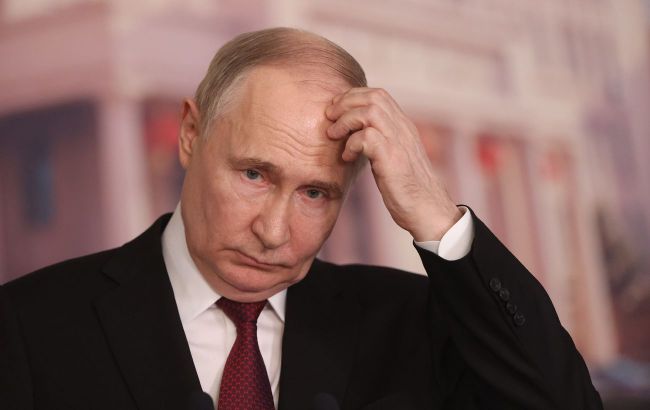 Russian President Vladimir Putin (photo: Getty Images)
Ukrainian strikes on Moscow on June 18 exposed weaknesses in Russia's air defenses, while Russian war bloggers openly criticized censorship and the authorities' inability to protect the population from the consequences of the war following the attacks, according to a report by the Institute for the Study of War (ISW).
One Russian war blogger, in a post that was later deleted, said that Ukrainian forces had managed to inflict significant damage despite Moscow's highly effective air defense systems.
He emphasized that Ukraine is bringing the war to areas of Russia far beyond the border regions and therefore argued for strengthening air defenses around facilities across the country.
Another war blogger criticized Russian media for significantly downplaying the impact of the strikes in their coverage.
According to him, those who have become "detached from the people" control state media and have created a false reality in which "everything is fine," calling on them to accurately present events.
Another blogger added that Russia needs to change its approach; otherwise, official reports will become even more disconnected from reality than they already are.
He criticized state media for portraying the so-called special military operation in a way that is far removed from reality, as something that has affected only Ukraine and not Russia, and for dismissing reports about Ukrainian battlefield movements as "fake news."
The Russian war blogger noted that Russians can now "see with their own eyes" that propagandists' claims that "everything is going well" do not correspond to reality.
ISW analysts noted that state-controlled media coverage of Ukraine's strikes emphasized the Kremlin's efforts to control information while downplaying the consequences of the strikes themselves.
For example, the opposition outlet Meduza reported that Russia's main state television channels, Channel One and NTV, did not cover the attack on Moscow in their daytime broadcasts, while Russia-1 only cited official statements.
At the same time, none of the channels aired a separate report on the strike. Instead, they focused primarily on the need to punish residents who film and publish footage of the strikes and their aftermath online.
Attack on Moscow
On June 18, Ukraine's Defense Forces struck Moscow again. It was the second attack in a week.
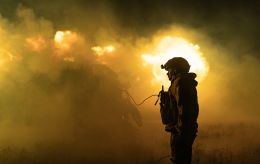
Ukrainian drones reached the Moscow oil refinery, where a major fire broke out.
According to the Security Service of Ukraine, four fire hotspots were recorded on the refinery's territory after the strike. The attack affected the tank farm, the crude oil distillation unit, and the diesel fuel hydrotreating unit.
Russian Foreign Minister Sergey Lavrov, following the massive Ukrainian drone attack on Moscow, promised regular large-scale strikes on Ukraine.
However, he later stated that Moscow prefers diplomacy in achieving the goals of the special military operation.
All details of yesterday's strike on Moscow are available in the RBC-Ukraine report.