Merkel among top EU candidates for Russia negotiator role

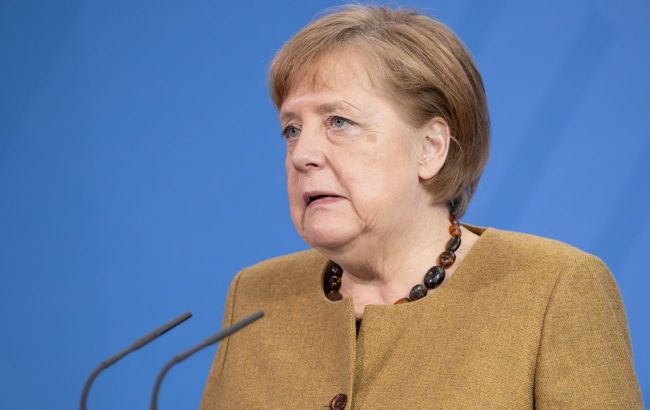 Angela Merkel (photo: Getty Images)
The European Union continues discussing possible candidates for the role of negotiator with Russia. However, the bloc has not yet agreed on a single candidate, Politico reports.
Among potential mediators are former German Chancellor Angela Merkel, Finnish President Alexander Stubb, and former Italian Prime Minister Mario Draghi.
According to the publication, Merkel is being considered because of her contacts with Russian President Vladimir Putin and Ukrainian President Volodymyr Zelenskyy. However, some European politicians consider her previous mediation efforts unsuccessful.
Stubb, the publication writes, previously showed interest in a similar role, but Finland's NATO membership could complicate his perception in Moscow.
Draghi is considered a more neutral figure in Europe. However, he has not publicly stated readiness to participate in negotiations.
Publication calls EU foreign policy chief Kaja Kallas an obvious candidate for this role. The head of the EU foreign affairs department long opposed direct negotiations with Russia, but later opened the door to appointing an envoy, saying foreign ministers will discuss the issue at the end of the month.
Last week, she even appeared to nominate herself, telling journalists: "I think I could see through the traps that Russia is presenting."
However, three EU diplomats warned that Kallas' tough anti-Russian position would trigger a sharp no from Kremlin leader Vladimir Putin.
"She's ruled herself out for this one, unfortunately," one EU diplomat said.
Other candidates
Earlier, Ukraine and Germany opposed the possibility of involving former German Chancellor Gerhard Schröder, who was proposed by Putin.
EU foreign policy chief Kaja Kallas also opposed Schröder's candidacy, saying he is a well-known lobbyist for Russian companies.
Among other possible scenarios, the German press mentions the duo of Schröder and current German President Frank-Walter Steinmeier.
Supporters of this idea emphasize Steinmeier's diplomatic experience and his participation in negotiations on Donbas. After the completion of his second presidential term at the beginning of 2027, he could theoretically become a mediator on behalf of the EU.