Lobbying for Moscow? Qorvis tied to support for Russia’s shadow fleet in the US

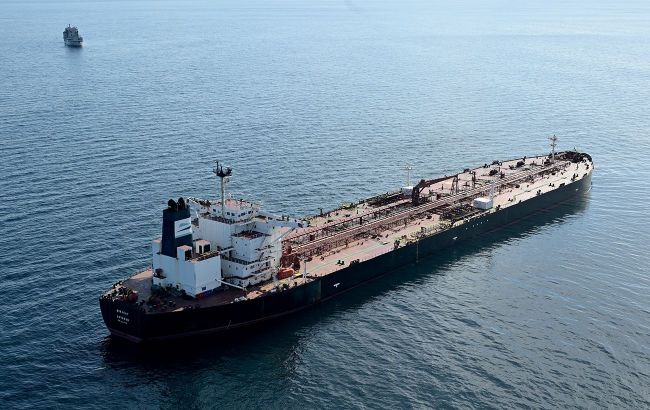 Illustrative photo: Qorvis lobbyists caught up in new scandal (Photo: Getty Images)
Western lobbying firm Qorvis is reportedly helping 2Rivers — formerly known as Coral Energy and considered one of the key operators of Russia's shadow fleet — build contacts with US government officials, according to Yevhen Mahda, Executive Director of the Institute of World Policy.
What is known about 2Rivers
2Rivers is one of the main operators of Russia's shadow fleet, controlling more than 100 vessels used to transport oil and petroleum products to global markets.
Its founders, Azerbaijani nationals Tahir Garayev and Etibar Eyub, are currently under UK sanctions. The European Union has imposed similar restrictions, targeting a significant portion of the group's structures involved in the logistics and sale of Russian energy resources.
At the same time, the United States has taken a more cautious approach, sanctioning only certain subsidiaries, including Voliton DMCC and Bellatrix Energy Limited.
Despite this, 2Rivers remains under scrutiny by US authorities, which suspect the company of building an extensive sanctions-evasion network through alternative legal and logistical mechanisms to sustain Russian oil trade.
How Qorvis is helping 2Rivers navigate sanctions
According to Mahda, despite 2Rivers' toxic reputation and ties to Russian oil logistics, US-based Qorvis has been advising the shadow fleet operator since mid-2024.
The lobbyists are said to be helping establish high-level contacts, including with the US Treasury's Office of Foreign Assets Control (OFAC) — the body directly responsible for sanctions enforcement.
In the expert's view, such activity risks effectively weakening sanctions pressure.
While restrictions may formally remain in place, access to officials and the ability to present one's position can allow sanctioned or high-risk companies to mitigate the political and legal consequences.
Mahda argues that Qorvis should publicly explain its cooperation with a structure serving the Kremlin's interests.
"We have every right to ask why a US lobbying firm is serving the interests of a structure linked to Russian oil and the shadow fleet. By the rules of this market, it cannot avoid answering," the political scientist stressed.
The issue was also highlighted by popular blogger Serhii Naumovych, who wrote on Facebook that this is not about technical consulting, but high-level engagement within Qorvis itself.
According to him, CEO Matt Lauer and Dubai managing director Grace Fenstermaker are directly involved. The latter previously worked at SOCAR Trading, which is also linked to a significant part of the 2Rivers team — pointing to deep operational overlaps within the network.
Naumovych noted that Qorvis has a track record of working with controversial clients. In particular, the firm helped rehabilitate the image of the Saudi royal family after the murder of journalist Jamal Khashoggi.
Qorvis is also currently advising global trader Mercuria, and previously received around $1.2 million for lobbying on behalf of Russia's Novatek between 2014 and 2017.
By late 2024, the lobbyists had also registered the Russian Union of Oil and Gas Producers as a client.
According to the blogger, this indicates a systemic engagement by Qorvis with Russia's energy sector. While the firm is not involved in transportation, it provides reputational and legal cover.
"This is not an isolated episode, but a clear business profile. Qorvis does not own tankers, but companies like it provide toxic businesses with political acceptability and access to decision-makers," Naumovych said.
He concluded that Russia's economy depends not only on resources, but also on the willingness of Western businesses to effectively legitimize its interests for money.
Why lobbying Russian interests must become politically costly
In this context, experts are calling on Ukrainian authorities to respond more actively. They argue that the goal should not only be reputational exposure of lobbying firms, but also making any cooperation with Russian oil infrastructure politically risky for all parties involved.
Mahda stressed that the work of Ukraine's sanctions policy commissioner, Vladyslav Vlasiuk, should be as public and uncompromising as possible in such cases.
"We must do everything to ensure that such cooperation becomes toxic, politically dangerous, and reputationally costly for all involved. Right now, this is one of the areas where the sanctions commissioner's work must not be formal, but tough, public, and effective,” he said.
Crackdown on Russia's shadow fleet
In recent months, European countries have stepped up pressure on Russian oil shipments, though they face legal challenges.
For example, the UK's Royal Navy is currently only monitoring Russian vessels in the English Channel over concerns about violating international law.
Meanwhile, France is preparing stricter measures, including plans to double fines and prison terms for crews operating under false flags.
At the same time, Estonia has officially ruled out forceful detentions in the Baltic Sea, citing a critically high risk of military escalation with Russia.