Kyrgyzstan shuts down companies helping Russia evade sanctions

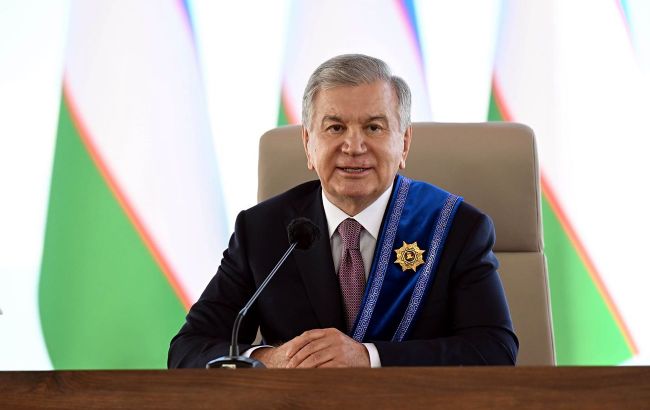 Photo: Kyrgyz President Sadyr Japarov (Getty Images)
Kyrgyz authorities have forcibly shut down 19 companies linked to efforts to circumvent EU and US sanctions against Russia, according to The Moscow Times.
Kyrgyzstan shuts down companies linked to Russia
In total, around 40 legal entities with heightened sanctions risks have been identified in the republic since late June, according to Kyrgyzstan’s Ministry of Economy and Commerce.
The decision to liquidate the companies was made at a meeting dedicated to sanctions issues.
Following an analysis, an interagency group shut down the companies' operations. The move was intended to prevent negative consequences for the country.
Increased scrutiny of financial institutions
Meanwhile, the National Bank of Kyrgyzstan said it had tightened oversight of:
- banks,
- payment services,
- financial service providers.
Over a period of 1.5 months this year, the state-owned Eldik Bank terminated its relationships with 109 companies.
Another 20 companies are currently in the process of having their accounts closed.
The bank is also continuing to monitor customer payments to identify potential sanctions evasion.
The state-owned A-Bank terminated business relationships with approximately 35 companies. Another 40 companies are currently undergoing checks.
EU sanctions
Kyrgyzstan became the first former Soviet country to face European sanctions restrictions. The reason was violations of measures imposed against Russia.
As part of the EU’s 20th package of sanctions, the bloc banned the export to Kyrgyzstan of European computer numerical control (CNC) machine tools and telecommunications equipment.
The move came amid a high risk that these products could be re-exported to Russia.
Several Kyrgyz companies and financial organizations have also been sanctioned by the EU, including:
- Keremet Bank,
- Capital Bank of Central Asia,
- the cryptocurrency exchange Grinex.
Earlier, RBC-Ukraine reported that EU foreign policy chief Kaja Kallas said the European Union intends to significantly expand sanctions against Russia in the coming months.
It was also reported that in July, the European Union was preparing sanctions against more than 1,600 companies helping Russia in its war against Ukraine. This would be the largest number of companies ever added to the bloc’s sanctions blacklist in a single package.
In addition, Lithuania’s Foreign Ministry prepared a bill that would extend the restrictive measures until December 31, 2027.