EU moves to keep sanctions on Russians and Belarusians until 2028

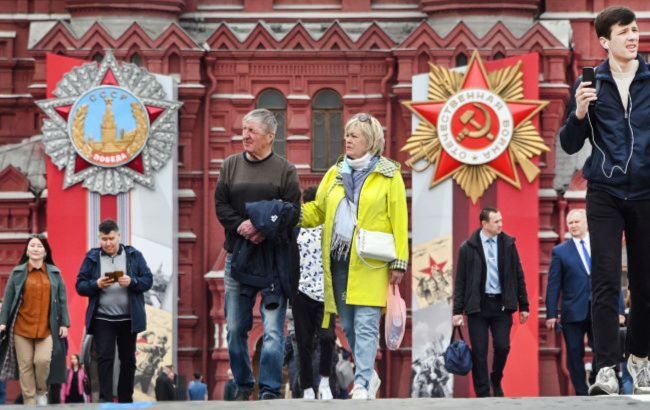 Lithuania proposes extending sanctions on Russians and Belarusians until 2028 (photo: Getty Images0
Lithuania is proposing to extend its national sanctions against Russian and Belarusian citizens for another two years, through the end of 2027, according to LRT.
Proposal details
The Ministry of Foreign Affairs has drafted a bill that would extend the restrictive measures until December 31, 2027.
Previously, the Seimas had extended these restrictions for only one year at a time, and the current measures are set to expire on May 2, 2026.
The ministry said the move would allow Lithuania to maintain its own sanctions alongside EU-wide measures and respond to threats posed by aggressor states.
No new restrictions are planned, as the existing package of measures is considered adequate.
"We propose extending the term of the law and the restrictive measures it provides for, not by one year but until December 31, 2027. Such a proposal would not conflict with the principle of proportionality or the fact that restrictive measures are temporary and subject to periodic review," the Lithuanian Foreign Ministry's note states.
In addition, a government decision would allow Lithuania to freeze assets and impose sectoral restrictions even if EU-level sanctions were to expire.
"The package of restrictive measures established by the law is considered optimal and balanced. Given the existing threats, these measures remain necessary and appropriate," the Foreign Ministry emphasized.
Restrictions already in force
Russian and Belarusian citizens are currently subject to a number of strict rules and restrictions in Lithuania:
- Visas and e-residency: Applications for Schengen and national visas have been suspended (except in cases handled through the Foreign Ministry), as have applications for e-resident status.
- Residence permits: Russian citizens are barred from obtaining Lithuanian residence permits unless they already hold a valid visa or residence permit issued by another EU country.
- Border checks: Russian citizens, and in some cases Belarusians, are subject to enhanced border screening for potential national security threats.
- Real estate and finances: Russians without residence permits are prohibited from purchasing real estate in Lithuania. Restrictions also remain in place on importing and exporting cash hryvnias, as well as importing Russian and Belarusian agricultural products and animal feed.
- Revocation of permits: Russian citizens lose their temporary residence permits if they travel to Russia or Belarus more than once within a three-month period, unless they are transport workers or have other valid reasons.
EU sanctions against Russia
The European Union spent an extended period negotiating its latest package of sanctions against Russia. During those talks, Vilnius warned its allies against making concessions to Moscow and urged them to maintain a firm stance in pressuring the aggressor.
Meanwhile, the EU 21st sanctions package has already placed significant strain on Russia's financial sector. The new restrictions have effectively blocked international money transfers from Russia and stripped the Kremlin of key levers of influence in global sports.