EU prepares record sanctions targeting more than 1,600 Russian companies, Bloomberg reports

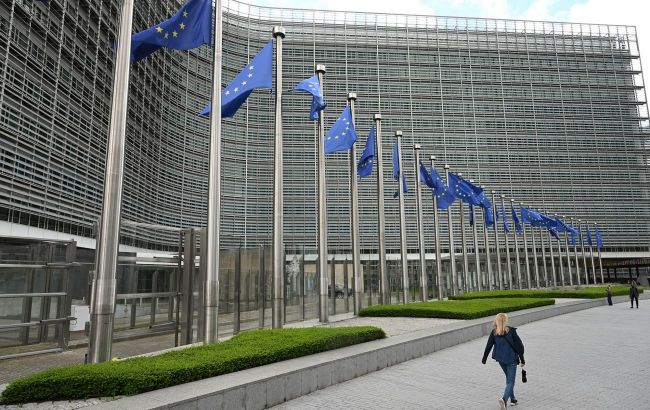 Photo: European Parliament building in Brussels (Getty Images)
If approved, the package would increase the number of sanctioned Russian entities by 50%, according to Bloomberg.
EU prepares record sanctions against Russia
The European Union is preparing sanctions against more than 1,600 companies that help support Russia's war against Ukraine. According to Bloomberg, this would be the largest number of firms blacklisted under a single sanctions package.
According to sources, a combined annual turnover of the targeted companies is more than $20 billion, and they employ over 265,000 people. The proposal is the EU's latest attempt to increase pressure on Russian President Vladimir Putin and push him toward negotiations.
The latest package of restrictions targets specific companies rather than individual products or entire sectors. Sources said work on the proposal has been underway for several months.
However, Bloomberg notes that the new package is unlikely to have the same economic impact as previous rounds of sanctions targeting Russia's oil industry and banking sector.
Challenges to adopting new sanctions
The EU is facing growing difficulties in approving new sanctions against Russia, as some member states are seeking exemptions to reduce the economic impact on their own economies.
During negotiations over the 21st sanctions package, the bloc was forced to weaken several proposals:
- restrictions on Russian liquefied natural gas exports to third countries were revised after Greece objected;
- France and Italy also sought to downgrade a proposal to ban former Russian combatants from entering the EU;
- other member states successfully blocked potential bans on imports of certain Russian fish species, including cod and pollock.
When the new package could be adopted
EU officials told member states they plan to circulate the new proposal in the coming weeks, giving governments enough time to review it, sources said.
The goal is to approve the sanctions at the EU foreign ministers' meeting in October.
The bloc is also preparing additional restrictive measures related to the forced deportation of Ukrainian children. Those measures could also be adopted this autumn.
As previously reported, major EU sanctions packages against Russia may become a thing of the past, as Brussels is considering abandoning its long-standing strategy.
Meanwhile, Lithuania has proposed extending its national sanctions against Russian and Belarusian citizens for another two years, through the end of 2027.