Kremlin responds to reports of US-Ukraine proposal for air ceasefire

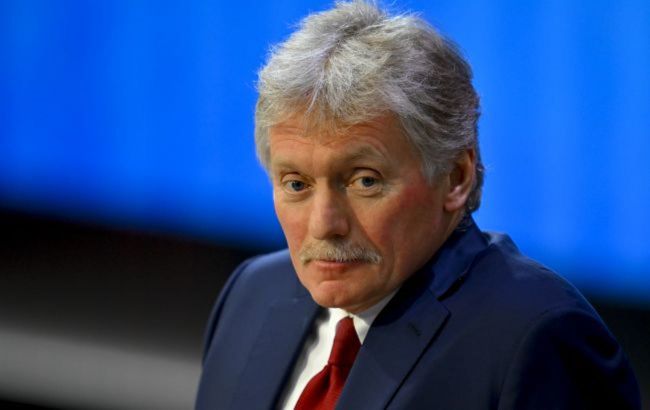 Kremlin spokesperson Dmitry Peskov (photo: Getty Images)
The Kremlin considers it premature to comment on reports that the United States and Ukraine are discussing a possible halt to aerial attacks, according to Kremlin spokesperson Dmitry Peskov, cited by Reuters.
What Moscow said
The Kremlin spokesperson described media reports about a possible agreement to halt aerial attacks as nothing more than "newspaper reports."
He said Russia's response to any new peace initiative will depend on whether it serves its interests.
"We have heard statements that some new formulas may be possible. We still need to learn more about them," Peskov said.
The Kremlin also confirmed that it continues to maintain channels of communication with US negotiators.
Context of peace initiatives
Earlier, Reuters sources reported that Ukrainian and US officials had discussed a proposal for an air ceasefire.
The proposal would involve a mutual halt to missile strikes and drone attacks. It is expected to be presented to Moscow as part of efforts to revive the peace process.
Some officials believe that sustained pressure on the Russian economy through regular Ukrainian drone and missile strikes on critical infrastructure could soften the Kremlin's position.
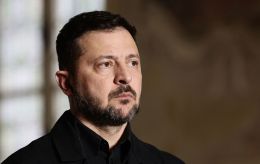
It is also known that this week Ukrainian President Volodymyr Zelenskyy discussed prospects for resuming negotiations with US representatives Steve Witkoff and Jared Kushner.
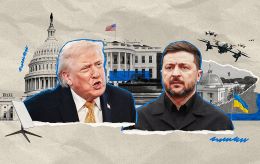
On Tuesday, July 28, the Ukrainian leader is scheduled to meet with US President Donald Trump in Washington.
What Putin says about war
As previously reported, the Russian president continues to insist on his own conditions while seeking to justify continued aggression. Recently, Putin once again denied that Russia started the war against Ukraine, instead shifting the blame to the West.
Analysts at the Institute for the Study of War (ISW) also note that the Kremlin manipulates external messaging for its own purposes. In particular, Putin used Kazakhstan's call to freeze the war to once again reject the idea of halting the fighting along the current front line and to justify continuing the war.