JD Vance praises Orban, says why US backed him

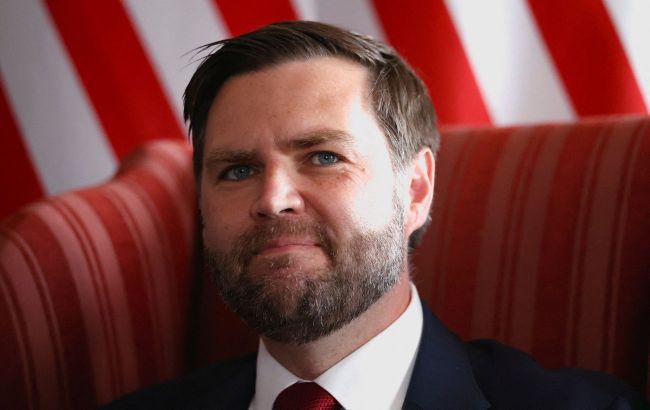 US Vice President JD Vance (photo: Getty Images)
US Vice President JD Vance, in an interview with a television channel, commented on the defeat of Hungarian Prime Minister Viktor Orban in the parliamentary elections, calling him a transformational leader with a 16-year legacy, reports Fox News.
Why the US supported Orban
Vance explained that the Trump administration supported Orban not because it couldn't read polls, but because the Hungarian prime minister was one of the few European leaders who dared to confront the bureaucracy in Brussels.
The vice president said that when a European bureaucrat attacked an American company, sometimes the only “no” and the only voice defending American interests was Viktor Orban.
Vance emphasized that the visit to Budapest was the right thing to do — to support someone who had long stood by the US.
On the defeat and legacy
The vice president called Orban a great guy with a transformational legacy, who over 16 years fundamentally changed the country. He expressed regret over the defeat but assured that the US would also work with Hungary's new prime minister, Péter Madar.
Vance concluded that they hadn’t gone there because they had expected Orban to win easily, but because it was the right thing to do — to support a person who had stood with them for a long time.
The parliamentary elections in Hungary, held on April 12, 2026, saw record turnout. By midday, more than 50% of voters had cast their ballots — significantly more than four years ago. According to the Central Election Commission, turnout reached 77.80% (nearly 6 million people) by 6:30 PM.
On the eve of the elections, US Vice President JD Vance visited Budapest, where he stated that the greatest contribution to efforts to end the war in Ukraine had supposedly been made by Donald Trump and Viktor Orban, calling them peacemakers.
He also supported the incumbent prime minister and accused Ukrainian intelligence of attempting to influence the Hungarian election outcome. Later, the Ministry of Foreign Affairs of Ukraine responded to these statements, calling them merely part of the election campaign.