Iran's supreme leader Mojtaba Khamenei hiding after reported injury

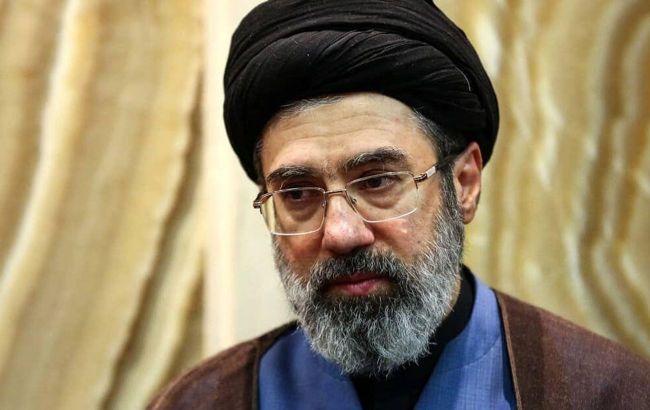 Mojtaba Khamenei (photo: Wikipedia)
Iran's new supreme leader, Mojtaba Khamenei, has not appeared in public because he was wounded during an operation by the US and Israel, Reuters and The New York Times report.
Reuters sources said Israeli intelligence has information that Iran's new leader received minor injuries as a result of airstrikes. For this reason, Khamenei has not appeared in public since he was appointed ayatollah.
Iranian officials told NYT that one of the reasons why Iran's new leader is hiding is fear that any contact could reveal his location and put him at risk.
Sources of publication added that senior government officials told them about Khamenei's injuries, in particular, wounds to his legs. They noted that he remained conscious in a protected location with limited communication.
Hints about Khamenei's condition
The New York Times emphasized that several hints about the condition of Mojtaba Khamenei were made on state television and in the state news agency IRNA. In particular, Iran's new leader was called "wounded war veteran."
In addition, the government religious organization Komiteh Emdad, in its congratulatory statement, called him "janbaz jang" – a Persian term for a veteran who was wounded in war.
Two Israeli military officials told Reuters that information obtained by Israel suggests Mojtaba Khamenei was injured on February 28, before he became the supreme leader. At the same time, the exact circumstances and severity of injuries are still unknown.
New leader of Iran
On March 8, Iranian state media reported the appointment of a new supreme leader of the country. He became Mojtaba Khamenei, son of Ayatollah Ali Khamenei, who died on February 28 as a result of US-Israeli strikes.
According to sources, Mojtaba's rise may change the balance of influence in the Iranian elite, since his appointment strengthens the position of security structures and weakens other groups of influence.
The new leader is considered ultra-conservative and supports strengthening support for terrorist groups in the region, as well as harsh suppression of protests inside the country.