Iran confirms injury of new leader Mojtaba Khamenei

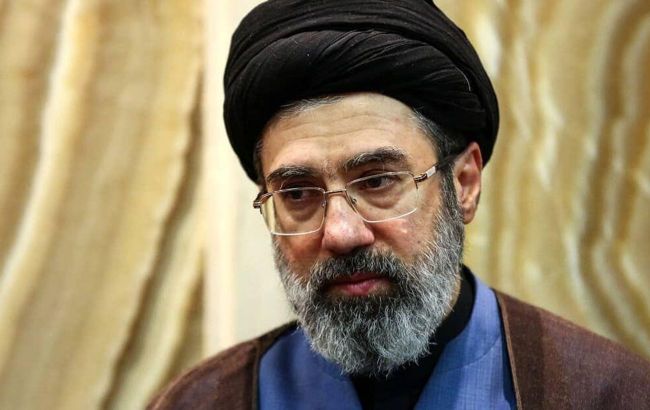 Photo: Mojtaba Khamenei (wikipedia org)
Tehran has confirmed that Iran’s new Supreme Leader, Mojtaba Khamenei, was wounded during airstrikes that killed his father, Ayatollah Ali Khamenei, according to Sky News.
Read also: 'In the first hour it was over': Trump claims victory in Iran
“Iran says its new supreme leader, Mojtaba Khamenei, was injured during the US-Israeli airstrikes that killed his father,” the article writes.
Confirmation from Tehran appeared after numerous speculations that Khamenei had partly stayed out of public view due to the injuries he received.
Backstory
Earlier, Western media reported that Mojtaba Khamenei might be wounded and had not appeared in public since being elected.
There is information that he sustained leg injuries during an attack on February 28, but his exact condition and the circumstances of the injury remain unknown.
Khamenei is reportedly conscious but is hiding in a heavily guarded location with limited communication.
His injury likely occurred during an attack carried out by the United States and Israel on a residence in Tehran, in which his father, Ayatollah Ali Khamenei, was killed, as well as the mother, wife, and son of the new Supreme Leader, along with several high-ranking officials of the Ministry of Defense.
About the selection of the new leader in Iran
Amid the war, an even more radical leader has appeared in Iran — Mojtaba Khamenei. He was elected after the United States and Israel eliminated his father, Ayatollah Ali Khamenei, on February 28 at the very beginning of the military operation.
The selection of Iran’s new Supreme Leader, the rahbar, took place in an accelerated manner due to ongoing attacks by the United States and Israel.
The country’s security structures insisted on the quick appointment of a successor to prevent political destabilization after Khamenei’s death, which contributed to the election of Mojtaba Khamenei.
The new leader is considered an ultraconservative and advocates increasing support for terrorist groups in the region, as well as a harsh suppression of protests inside the country.