Iran attacks tanker with surface drone for the first time

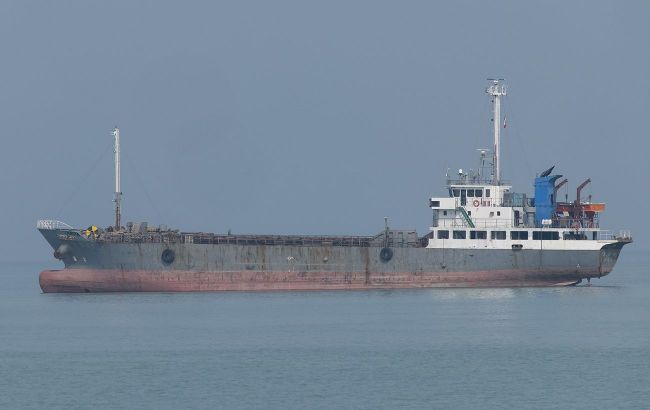 Photo: tanker in the Persian Gulf (Getty Images)
Read also: Submarine attacks Iranian vessel off Sri Lanka
According to the center, on the evening of March 4, the captain of a tanker anchored about 30 nautical miles southeast of the Mubarak Al-Kabeer port in Kuwait reported a strong explosion on the vessel’s port side. He then saw a small boat quickly leaving the area of the incident.
Photos of the moment when the Iranian maritime drone struck the oil tanker also appeared online. Preliminary reports indicate that the target may have been an American tanker in the area.
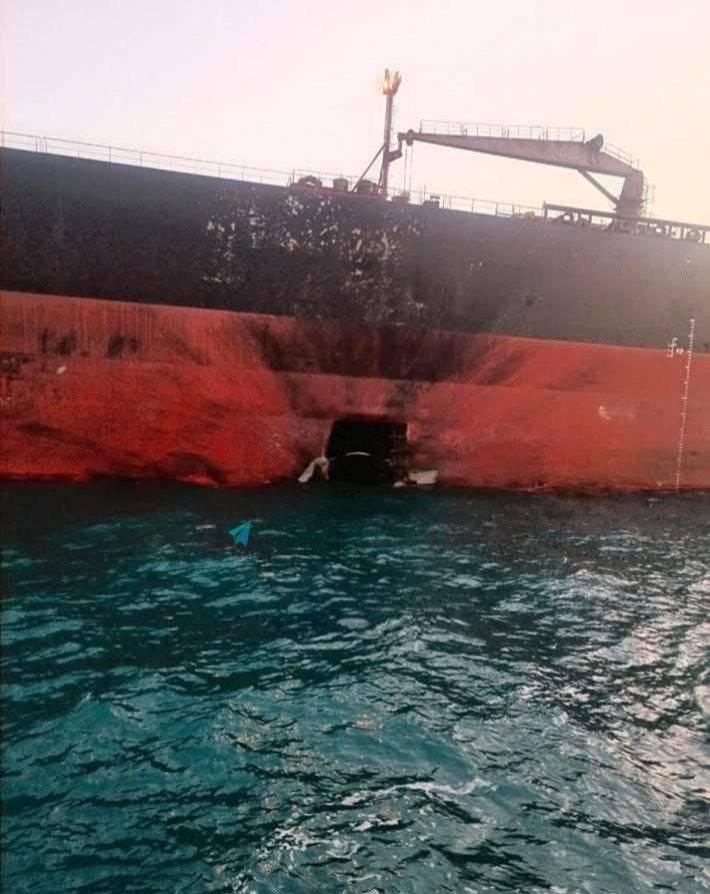
Initial reports spoke of an oil spill from the cargo tanker and water entering the vessel. However, UKMTO later clarified that it was ballast water, not oil, that had entered the sea.
It was noted that no fire broke out on the ship, and the crew members were unharmed. The tanker remains in the same area while local authorities conduct an investigation.
The Maritime Security Center has urged all vessels passing through the area to proceed with increased caution and to report any suspicious activity.
Importance of the Strait of Hormuz
The Strait of Hormuz is located in the southeastern Middle East. It lies between Iran to the north and Oman and the United Arab Emirates to the south, connecting the Persian Gulf with the Gulf of Oman, and further with the Arabian Sea and the Indian Ocean.
The strait is approximately 195 km long, with a width ranging from 55 to 95 km in different areas. Its average depth is 27.5 m, with a maximum of 229 m.
Shipping is organized through two navigation channels, each about 2.5 km wide, separated by a 5-km buffer zone.
The Strait of Hormuz is crucial for global energy. Around one-fifth of the world’s oil consumption passes through it.
According to analytics company Vortexa, last year, more than 20 million barrels of crude oil, condensate, and fuel were transported daily through the strait.
However, as of February 28, transit through the Strait of Hormuz sharply declined to around 4 million barrels per day, only a quarter of the usual level.
Following US and Israeli operations against Iran, Tehran announced the closure of the Strait of Hormuz and threatened to set fire to any vessels entering its waters.
Nevertheless, according to US military officials, Iran has not yet closed the strait, as its ships are not laying mines or conducting permanent patrols.