Inside Kim Jong Un's arsenal: Experts uncover details of DPRK missiles used by Russia

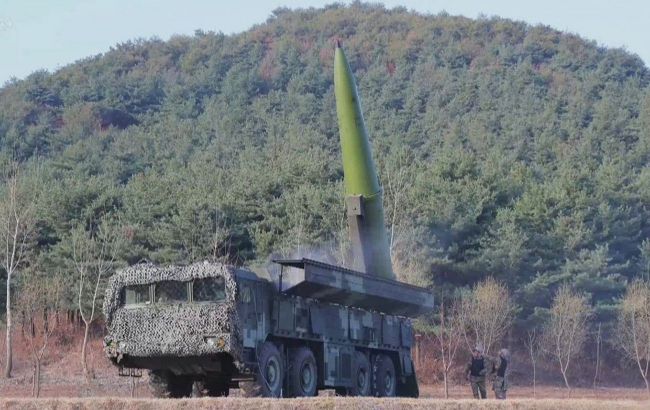 Photo: KN-23 missile (photo from open sources)
The North Korean ballistic missiles that Russia is using to attack Ukraine are not exact copies of Russia's Iskander missiles. An analysis of the debris revealed the use of civilian chips and outdated technology dating back 50 years, according to the Ukrainian Ministry of Defense.
Design features and origin
Military engineers conducted a laboratory analysis of the missile debris, including that of the missile that Russia struck Kharkiv with earlier this year.
Experts determined that the missiles have a unique geometry. For example, the rear section of the KN-23 has a diameter of 110 cm, a feature not found in any other missiles in the world except those of North Korea.
Although Pyongyang has refined early versions of Soviet and Russian designs, the engines of North Korean missiles are one and a half times longer than their Russian counterparts.
This is due to the use of lower-energy fuel, which requires a larger engine volume to achieve the same flight range.
Technologies and components
Research has shown that the control units contain civilian-grade components from global brands, which Pyongyang procures by circumventing international sanctions.
"The quality of the soldering in these missiles is roughly 50 years old," note experts from the Ukrainian Ministry of Defense.
Instead of modern heat-shielding materials, North Korean designers use cheap graphite fairings.
The Ministry of Defense of Ukraine notes that, despite their technological backwardness, such ballistic missiles remain a difficult target for air defense systems and pose a high threat to the civilian population.
Pyongyang's nuclear ambitions
Recently, North Korea has significantly expanded its capabilities for producing nuclear weapons. According to the IAEA, increased activity has been observed at the country’s nuclear facilities.
The pace at which Pyongyang is expanding its arsenal allows it to produce about 20 nuclear warheads each year. This is taking place against the backdrop of Kim Jong-un's new military strategy, which calls for the simultaneous development of both the DPRK's nuclear and conventional armed forces.