Gas prices in Europe surge 35% after strike on the world’s largest LNG complex

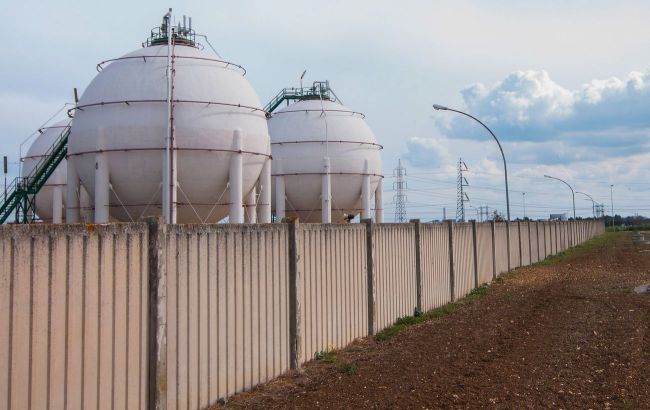 Illustrative photo: the situation with gas for the EU is particularly difficult (Getty Images)
Natural gas prices in Europe surged sharply after Iran launched a missile strike on the world’s largest liquefied natural gas (LNG) plant in Qatar, according to Bloomberg.
The agency notes that benchmark futures rose by as much as 35%, more than double the level recorded before the US and Israel’s operation in Iran.
QatarEnergy said several facilities in Ras Laffan were seriously damaged after the Iranian strike. According to estimates, about 17% of the country’s export capacity has been damaged, and repairs could take three to five years.
Energy experts say this could become a turning point for the industry. According to them, there are currently no signs that operations at the facility in Qatar will be restored quickly.
The situation is particularly difficult for Europe, as the region is emerging from winter with relatively low gas reserves and will have to compete with Asia for limited supplies.
Iranian strikes on the plant in Qatar
On the morning of March 19, it became known that Iran had again launched missile strikes on Qatar. The world’s largest LNG complex in the city of Ras Laffan was hit again — less than 12 hours after the first strike.
Qatar condemned the attack and said it reserves the right to respond. Earlier, on March 2, Iranian drones also struck QatarEnergy facilities in Ras Laffan.
In addition, QatarEnergy declared force majeure on long-term gas supply contracts to Italy, Belgium, South Korea, and China. Among the affected production lines are facilities where Qatar’s partners include the US company ExxonMobil and the British-Dutch company Shell.
The strikes on gas and oil infrastructure in the Persian Gulf have pushed fuel prices to a new level. At the same time, analysts warn that the worst may still be ahead.