Fuel crisis deepens in Russia as gasoline prices reach new highs

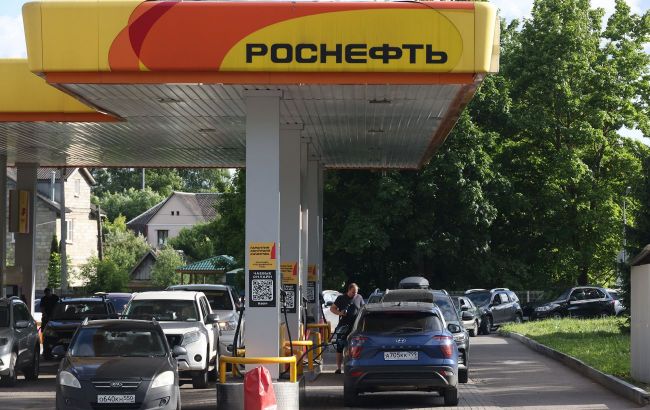 Photo: A queue of cars at a Rosneft gas station in Russia (Getty Images)
Russia's fuel problems are becoming increasingly severe. Shortages are spreading to new regions, and the Kremlin is forced to look for ways to contain the crisis, Bloomberg reports.
Retail fuel prices in Russia have surged again following a new wave of Ukrainian strikes on Russian oil refineries. The attacks have triggered a nationwide gasoline shortage, long lines at gas stations, and new concerns about accelerating inflation.
According to Russia's Federal Statistics Service, the average price of gasoline rose another 1.7% between June 23 and June 29, reaching 72.38 rubles per liter. The increase came after the sharpest weekly jump in gasoline prices in at least 20 years.
Meanwhile, the average price of diesel fuel increased by 2.3% over the same period to 84.84 rubles per liter.
According to Bloomberg's calculations, Ukraine has carried out more than 50 strikes on Russian oil refining facilities since the beginning of 2026. By comparison, 82 such attacks were recorded during the whole of 2025.
The pace of strikes has intensified in recent weeks, forcing several major refineries to suspend operations. As a result, oil processing volumes and domestic fuel supplies have dropped sharply.
By the end of June, about 90% of Russia's regions had reported gasoline rationing or supply disruptions, according to local authorities and regional media.
Rising fuel prices are becoming an increasing concern for the Russian authorities. The Kremlin fears the situation could accelerate inflation and trigger public discontent, particularly ahead of parliamentary elections in September.
Against this backdrop, Russia's central bank said it would take developments in the fuel market into account when making its next monetary policy decisions.
As previously reported, Russian President Vladimir Putin acknowledged problems with fuel supplies, although he insisted they were not critical.
At the same time, he confirmed that Moscow had rejected a proposal to halt reciprocal long-range strikes between Russia and Ukraine and limit hostilities to the four occupied Ukrainian regions.