Europe targeted? Estonia warns of Putin's sneaky divide-and-rule plan

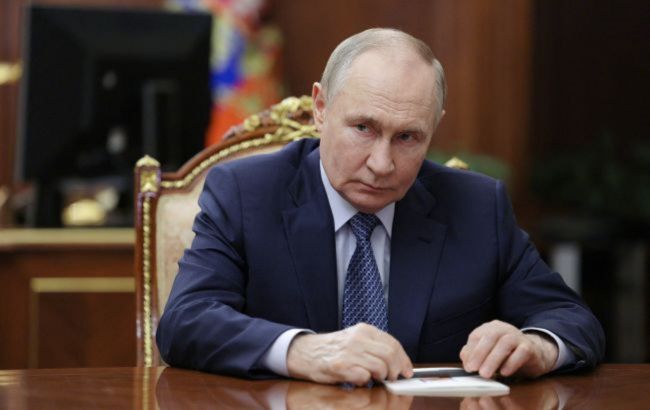 Russian President Vladimir Putin (photo: Getty Images)
Europe risks falling into another Kremlin trap if it agrees to take on the role of a neutral mediator in Russia's war against Ukraine. Moscow is currently exploiting fears of escalation and false hopes for diplomacy to split the West, according to Estonian Foreign Minister Margus Tsahkna and the Ministry of Foreign Affairs.
Two Putin's traps, danger of neutrality
Minister Tsahkna stressed that Russian President Vladimir Putin has spent years fueling illusions in the West that his aggression could be stopped through compromise.
These hopes persisted after the war in Georgia, the annexation of Crimea in 2014, and the signing of the Minsk agreements. However, all of these expectations proved unfounded.
The second Kremlin trap, he said, is the fear of escalation, which Russia uses to intimidate and paralyze European countries.
"In some circles, there is hope that because Russia is currently in a weaker position, it may be possible to engage it through dialogue. In reality, Europe must maintain strategic patience, increase pressure on Russia, and stand firmly alongside Ukraine," the Estonian minister said.
He warned that attempts to pull Europe into the role of a neutral mediator would become another Russian trap, as aggression cannot be stopped through dialogue alone.
Ukraine as security provider
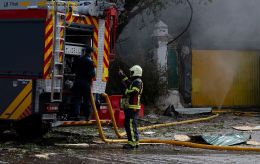
During the panel discussion, Minister Tsahkna pointed to Kyiv's growing military capabilities. In particular, he referred to events this week when global attention was focused on a burning Moscow, demonstrating Ukraine's ability to strike targets deep in Russian territory.
According to the Estonian diplomat, the military strength of Ukraine is critical to the security of the entire European continent. That is why the West should view Ukraine not as a consumer of security, but as a reliable provider of it.
During his visit to Germany, Tsahkna also discussed with German Foreign Minister Johann Wadephul ways to strengthen sanctions pressure on Moscow and further military support for Ukrainian forces.
Inside negotiations
Earlier, French President Emmanuel Macron said European Union leaders must take a direct part in negotiations to end the war in Ukraine.
He emphasized that Europe is not a neutral mediator, as it clearly stands with Ukraine, provides assistance, and has imposed sanctions on Russia. In Macron's view, Europeans must be at the negotiating table because EU interests are directly tied to developments in Ukraine.
Meanwhile, Moscow has reacted negatively to this position. Kremlin spokesperson Dmitry Peskov said Europe is mistaken in trying to build dialogue from a position of strength. According to him, EU countries would need to familiarize themselves with the real situation to participate in talks. He also accused Kyiv of refusing to engage in dialogue.
Notably, Ukrainian President Volodymyr Zelenskyy, following meetings with European leaders, said that all of Vladimir Putin's claims about peace are lies.
The Ukrainian leader stressed that European partners clearly understand this, but are also confident that joint efforts will ultimately stop Russia.