EU ambassadors approve €90B for Ukraine, 20th sanctions package on Russia

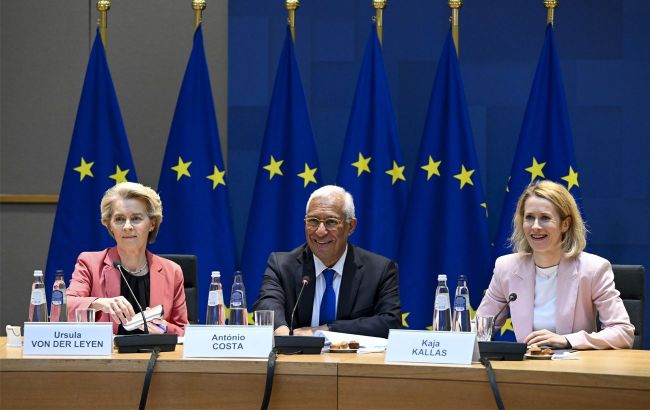 Photo: António Costa and Ursula von der Leyen (Getty Images)
EU ambassadors have provisionally approved a €90 billion loan for Ukraine and the 20th package of sanctions. The formal procedure will be completed on Thursday, April 23, according to The Guardian.
"They will now go through a written procedure for their final adoption by the Council," says a spokesperson for the Cypriot presidency.
The written procedure is expected to be completed tomorrow afternoon, when representatives of European countries are set to meet in Cyprus for the EU summit.
An informal summit of EU leaders is scheduled for April 23–24 in Cyprus.
The meeting will focus not only on Ukraine but also on the broader context of international security. In particular, the war in the Middle East, the situation in Iran, and the related energy risks for Europe.
90 billion euros for Ukraine
At the end of 2025, European leaders agreed to provide Ukraine with a 90-billion-euro loan. However, after Russia damaged the Druzhba pipeline, Hungary blocked the loan until oil supplies are restored.
The victory in Hungary’s parliamentary elections by Péter Magyar, leader of the Tisza Party, does not mean the automatic unblocking of the €90 billion EU loan for Ukraine.
Magyar had previously linked the lifting of the Hungarian veto to the resumption of operations on the Druzhba oil pipeline. According to him, Budapest will unblock the loan as soon as oil starts flowing through the pipeline again.
On Wednesday, April 22, EU ambassadors are set to consider the final procedural decision required to launch the €90 billion in funding for Ukraine.
Slovak Prime Minister Robert Fico emphasized that his country would not object to the release of €90 billion for Ukraine, but would support the 20th package of sanctions against Russia only after the Druzhba pipeline resumes operations.
Politico reported that the condition for approving the allocation of €90 billion to Ukraine today, April 22, is the absence of written complaints or objections from member states.