Deputy PM explains what Ukraine ready to give up in order to speed up its accession to EU

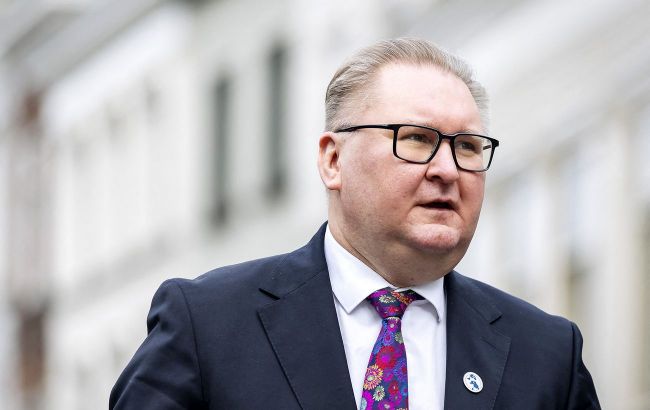 Photo: Taras Kachka (Getty Images)
Ukraine is ready to delay access to some European Union benefits in order to speed up the process of joining the bloc, according to Deputy Prime Minister for European and Euro-Atlantic Integration of Ukraine Taras Kachka in an interview with Bloomberg.
According to him, Ukraine is ready to postpone the possibility of receiving subsidies from the EU Common Agricultural Policy for several years in order to reduce concerns among member states.
"This kind of approach is possible, but let’s discuss modalities," Kachka noted.
Ukraine has already had conflicts with European countries, particularly Poland, over the bloc’s easing of trade restrictions on Ukrainian agricultural exports.
If Ukraine were to join the EU, it would gain access to significant benefits, which would complicate one of the most controversial issues in the bloc’s budget negotiations.
Support for EU farmers
The program provides financial support to EU farmers and accounts for a significant share of the bloc’s long-term budget, often influencing negotiations on the accession of new members.
The European Union is currently negotiating long-term financial frameworks covering 2028–2034. Kachka noted that Ukraine could join the Common Agricultural Policy in a later EU budget cycle.
He also emphasized that Kyiv is ready to quickly meet EU requirements and aims to sign an accession treaty as early as 2027, depending on progress.
Ukraine’s EU accession
Earlier, Ukrainian President Volodymyr Zelenskyy stated that the country’s authorities would do everything to be ready for European Union membership by 2027. Kyiv has called on Brussels to set January 1, 2027, as the target date for Ukraine’s accession to the EU.
Recently, EU Commissioner for Enlargement Marta Kos said that Ukraine’s accession to the EU in 2027 is not possible. According to her, the membership process depends on achieving peace and implementing reforms.
At the same time, the governments of several EU countries do not support active discussions or acceleration of the accession of new members, including Ukraine. Among such states are France, Germany, the Netherlands, and Italy.