Britain imposes sanctions on key Russian oil pipeline operator

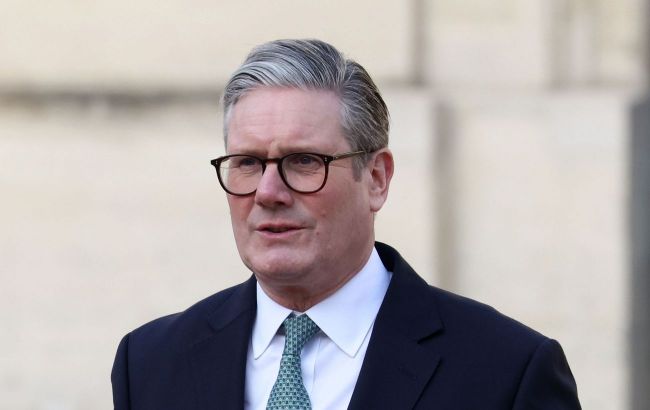 Photo: Keir Starmer (Getty Images)
The United Kingdom has announced the introduction of nearly 300 new sanctions against Russia. The main focus is on the energy sector, in particular PJSC Transneft, which handles the majority of Russia’s oil exports, according to the UK government.
Read also: UK unveils major new aid package for Ukraine, sets up 70-person multinational HQ
Key Russian oil pipeline company targeted
The new restrictions target one of the world’s largest oil pipeline companies — PJSC Transneft.
The company is responsible for transporting more than 80% of Russia’s oil exports.
Today’s measures are aimed at PJSC Transneft, which handles over 80% of Russian oil exports, further hampering the Kremlin’s efforts to find buyers for its sanctioned oil.
Largest sanctions package since 2022
The new package is the largest introduced since Russia’s full-scale invasion of Ukraine.
According to the UK side, international sanctions have already deprived the Kremlin of more than $450 billion in revenues — the equivalent of two years of war financing.
Russia’s oil revenues are currently at their lowest level since 2020, and the country’s economy is stagnating.
Sanctions against the shadow fleet and oil network
The list also includes:
-
175 companies linked to the 2Rivers oil network, one of the largest operators of the shadow fleet;
-
48 oil tankers transporting Russian crude;
-
Companies and individuals involved in sanctions evasion.
London stated that these measures are intended to complicate the Kremlin’s efforts to soften the impact of sanctions.
New restrictions for banks and the energy sector
The sanctions also target:
-
49 companies and individuals linked to Russia’s military-industrial complex;
-
9 Russian banks conducting international payments;
-
6 facilities in Russia’s LNG sector;
-
Companies involved in projects to build new Russian nuclear installations.
EU’s 20th sanctions package
On February 6, the European Commission presented a draft of the 20th sanctions package against Russia, which was planned to be adopted by February 24 — the anniversary of the full-scale invasion.
The main focus of the new measures is on Russia’s energy and financial sectors. In particular, the proposal includes a full ban on maritime services for transporting Russian oil, expanding the list of shadow fleet vessels to 640, and restricting their servicing.
At the same time, several EU countries are advocating for softening certain provisions of the package. In particular, discussions have arisen over proposals to impose sanctions on foreign ports and banks that, according to the European Commission, help Russia circumvent oil restrictions.
According to media reports, potential sanctions against strategic ports in Georgia and Indonesia have raised concerns. In addition, Italy and Spain are reportedly opposed to restrictions on a bank in Cuba, which is the only financial institution on the island working with foreign currency and serving diplomats and EU citizens.