Several EU countries call for easing 20th sanctions package against Russia – Bloomberg

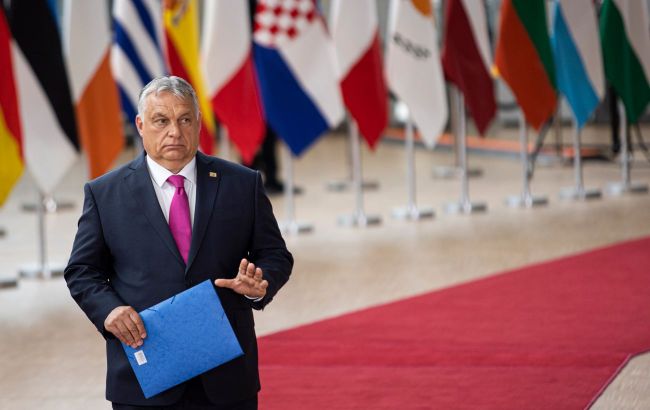 Photo: Viktor Orbán, Prime Minister of Hungary (Getty Images)
The European Commission’s proposals to impose sanctions on foreign ports and banks that help Russia illegally sell oil have faced resistance within the bloc, Bloomberg reports.
Read also: EU sanctions on Russia near finish line: Hungary's position may delay approval, Politico reports
According to the outlet, several European capitals have raised concerns over plans to restrict strategic ports in Georgia and Indonesia as part of the 20th sanctions package against Russia.
Sources told Bloomberg that Italy and Hungary oppose restrictions on Georgia’s Kulevi port, as it is also used to supply Azerbaijani gas — a resource considered critical for Europe’s energy security.
Greece and Malta, for their part, have expressed doubts about sanctions targeting a port in Indonesia.
In addition, sources said that Italy and Spain oppose sanctions against a bank in Cuba. It is the only financial institution on the island that operates in foreign currencies and serves EU diplomats and citizens.
Journalists were also told that Greece and Malta have resisted an initiative to replace the Russian oil price cap with a full ban on maritime services, including insurance and transportation. The move would depend on support from G7 countries, but the United States’ position remains unclear.
At the same time, the European Commission is seeking to ban exports of machine tools and radio equipment to Kyrgyzstan. According to the bloc, shipments of sanctioned technologies to the country have increased eightfold, while their subsequent re-export to Russia has surged by 1,000%.
Kyrgyz authorities have called the measures unfair, arguing that the rise in trade is the result of private companies’ activities rather than state policy.
The new sanctions package requires unanimous approval from all EU member states. The bloc’s ambassadors discussed the measures on Monday, with final approval expected by the end of the month.
20th sanctions package
On February 6, the European Commission presented a draft of the 20th sanctions package against Russia, which is expected to be approved by February 24 — the fourth anniversary of the Russia-Ukraine war.
The main blow is aimed at Russia’s energy and financial sectors. The proposal includes a total ban on maritime services for Russian oil, an expansion of the sanctions list targeting the so-called shadow fleet to 640 vessels, and a ban on servicing LNG tankers.