EU sanctions on Russia near finish line: Hungary's position may delay approval, Politico reports

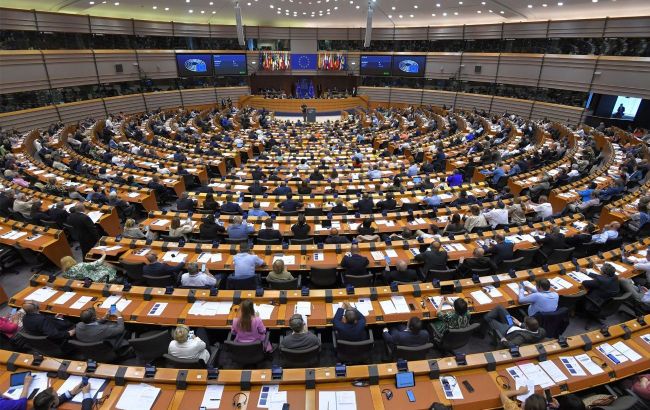 European Union plans to adopt another anti-Russian sanctions package by February 24 (photo: Getty Images)
Adoption of the 20th package of anti-Russian sanctions of the European Union may be delayed due to Hungary's position regarding Russian sports officials, Politico reports.
Three diplomats told a publication that Europe is approaching the finish line in the adoption of the 20th package of sanctions against Russia. Final agreement is expected to be concluded after two more meetings of ambassadors in Coreper II format.
At the same time, two other diplomats said that Hungary insists on excluding leading Russian sports officials from the sanctions list. This may lead to a delay in the adoption of the sanctions package.
What is known about the adoption of new sanctions
It is noted that the chief diplomat of the European Union, Kaja Kallas, is seeking to ensure that the 20th sanctions package is ready by the fourth anniversary of the full-scale invasion of Russia into Ukraine on February 24. European diplomats said that ambassadors will likely meet on Wednesday, February 18, and possibly on Friday.
In addition, Kallas is trying to coordinate her actions with Britain so that sanctions have maximum effect.
European Union sanctions against Russia
On February 6 European Commission prepared the 20th package of sanctions against Russia. According to the president of the European Commission, Ursula von der Leyen, the sanctions list is planned to be expanded by another 43 vessels of the so-called shadow fleet, which will increase their total number to 640.
In addition, the European Union intends to make it more difficult for Moscow to purchase new tankers to circumvent restrictions, as well as introduce a ban on technical maintenance and provision of a number of services to liquefied gas tankers and icebreakers.
The European Union is considering replacing a price cap on Russian oil with a ban on maritime services. New sanctions may affect insurance, transportation, and other key services for oil shipments.