Your hair may send early signals of health problems — don't ignore it

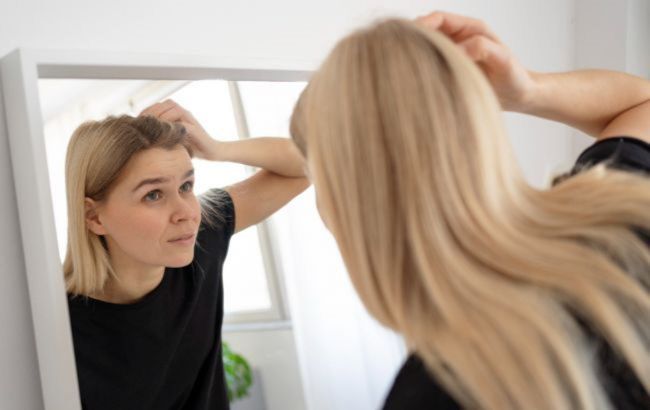 Photo: Hair changes that may point to underlying health conditions (Freepik)
Hair has value behind aesthetics and confidence. It can be a bellwether for checking your health, since brittle hair, hair loss, or changes in texture often signal underlying issues in the body, according to Huffpost.
What hair can tell about your thyroid
If you experience increased hair loss, it may indicate dandruff or thyroid dysfunction.
In addition to excessive hair loss—and all over your head, especially after washing or when you wake up—you may notice that your hair grows more slowly or becomes dry.
Dermatologist Dr. Vanita Rattan explains that the thyroid affects metabolism, which in turn affects hair growth.
Moreover, very slow hair growth can be a sign of hypothyroidism.
It's important to understand that thyroid hormone problems do not go away on their own. If hormone levels are outside the normal range, it's essential to see a doctor.
In some cases, supplementation with selenium, zinc, or iodine may be necessary.
Iron deficiency
Losing more hair than usual can also be an early sign of iron deficiency. Low iron levels are among the most overlooked causes of hair shedding, particularly in women.
You may notice increased shedding during washing and brushing. Overall hair density may decrease without obvious patchy loss. When the body is low in iron, it cuts back on nonessential processes, like hair growth.
What happens to hair when you're stressed
Stress is super common and hard-hitting, with effects including hair loss. Some people notice that their hair becomes thinner, bald spots appear, or hair just stops growing for a while.
During stress, the body prioritizes bodily functions that are more important than hair growth.
Hair condition during dehydration
When the body is dehydrated, hair gets tangly, feels like dry straw, produces split ends, experiences static electricity, loses shine, or causes your scalp to feel tight, itchy, or start peeling.
With dehydration, blood doesn't flow as well to your hair roots, which results in fewer nutrients and less moisture for your hair. If this keeps happening, your hair can become weak, look dull, and fall out more often.
You may be interested in:
This material is for informational purposes only and should not be used for medical diagnosis or self-treatment. Our goal is to provide readers with accurate information about symptoms, causes, and methods of detecting diseases. RBС-Ukraine is not responsible for any diagnoses that readers may make based on materials from the resource. We do not recommend self-treatment and advise consulting a doctor in case of any health concerns.