Six foods worth eating in January for healthy aging

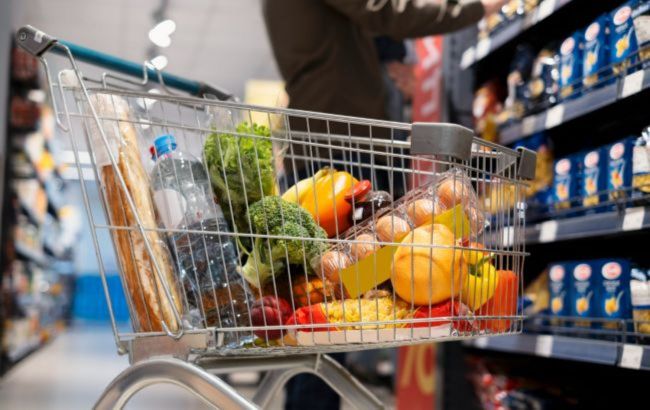 Healthy foods to eat in January (photo: Freepik)
Some foods are especially worth eating in January, since they help support healthy aging, strengthen the immune system, and improve heart and brain function, as well as provide essential vitamins, minerals, and antioxidants particularly important during the winter season, according to Eating well.
Dark chocolate
Dark chocolate contains theobromine - a natural compound with antioxidant and anti-inflammatory properties. Higher blood theobromine levels are associated with markers of slower aging.
Choose dark chocolate with at least 70% cocoa and lower saturated fat content. For a simple, nutrient-rich dessert, pair a piece of dark chocolate with fresh fruit, such as pomegranate seeds.
Pomegranates
Nature Reviews Nephrology states that pomegranates are rich in polyphenols—powerful antioxidants that may help reduce inflammation and protect against age-related diseases such as heart disease and cognitive decline.
Studies suggest that pomegranates may help protect against atherosclerosis and lower blood pressure.
As aging is associated with increased arterial stiffness and higher rates of hypertension, eating antioxidant-rich foods like pomegranates may help support cardiovascular health.
You may sprinkle pomegranate seeds over yogurt or oatmeal, or use pomegranate juice for marinades or salad dressings.
Brussels sprouts
The U.S. National Institutes of Health reports that Brussels sprouts are a nutrient-rich food that supports healthy aging, particularly bone health.
They are an excellent source of vitamin K, a nutrient essential for bone formation and mineralization. Vitamin K is also crucial for maintaining bone strength and reducing age-related bone loss. Stronger bones help people stay active longer.
Shred raw Brussels sprouts for salads or roast them as a side dish.
Sweet potatoes
Sweet potatoes are an excellent source of beta-carotene, which the body converts to vitamin A. This powerful antioxidant helps reduce free radicals and oxidative stress, which accelerate visible aging.
Vitamin A is also essential for maintaining skin smoothness and a strong skin barrier.
Enjoy sweet potatoes the same way you usually eat regular potatoes.
Butternut squash
This type of squash is known for its sweet, nutty flavor, rich, buttery aroma, and bright orange flesh high in carotene, vitamins, and minerals.
Butternut squash contains a powerful combination of nutrients that support healthy aging. Vitamin A is essential for maintaining good vision and immune function, both of which can decline with age.
In addition to its benefits for eye health, the nutrient profile of butternut squash supports healthy skin aging. It contains carotenoids and vitamins C and E, which act as antioxidants and help protect the skin from visible signs of aging. These nutrients may help reduce common signs of aging, such as redness and pigment spots.
Oranges
According to Nutrients, oranges are classic winter fruits that support healthy aging due to their high vitamin C content.
Vitamin C is essential for collagen synthesis, which helps maintain skin elasticity and firmness. Its antioxidant properties may also help reduce inflammation that contributes to the development of chronic diseases.
Oranges may be added to smoothies, yogurt, or salads.
This material is for informational purposes only and should not be used for medical diagnosis or self-treatment. Our goal is to provide readers with accurate information about symptoms, causes, and methods of detecting diseases. RBС-Ukraine is not responsible for any diagnoses that readers may make based on materials from the resource. We do not recommend self-treatment and advise consulting a doctor in case of any health concerns.