Stop eating meat and watch these changes to your body

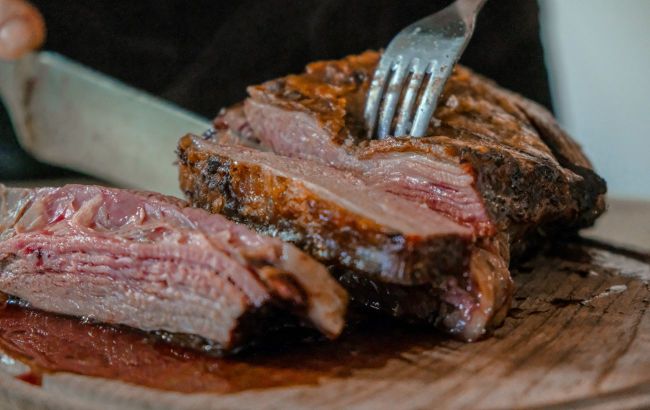 What happens to your body when you stop eating meat (Photo: Unsplash)
Giving up meat changes the body at the cellular level: cholesterol levels drop, and digestion and metabolism improve. However, without proper replacements, the risk of protein, iron, and vitamin B12 deficiency increases, according to Food Bible.
Changing habits
Giving up meat also changes shopping habits, and your menu suddenly requires more attention.
If you avoid meat for more than a few days, your body begins to respond in ways that go far beyond willpower or routine. After about a month, taste buds and appetite start to shift.
A study published on PubMed observed people who temporarily cut out meat. It showed that avoidance alone can change how meat is perceived.
Researcher Elisa Becker from the University of Oxford told the BBC that the more meat people managed to eliminate from their diet, the stronger their aversion to it became. This effect is amplified when meat is removed consistently.
What signs appear
The first noticeable changes often occur in digestion. Within a few days, gut bacteria begin to shift, favoring microbes that thrive on fiber rather than animal protein.
This can improve gut health and reduce inflammation markers linked to certain meat-based bacteria. Weight loss is also common, as fiber-rich foods help people feel full while consuming fewer calories.
Vegetarian and vegan diets are associated with lower blood pressure, better blood sugar control, and reduced cholesterol levels.
Impact on the immune system
The immune system may also respond to these changes. Short-term vegan diets have been linked to reduced inflammation and increased antiviral activity.
It is important to understand that cutting out meat does not automatically improve health. Replacing steak with highly processed alternatives can negate many of the benefits. Long-term meat-free diets also require attention to nutrients such as vitamin B12, iron, and omega-3s.
Senior psychology lecturer Jared Piazza from Lancaster University in the UK explained that avoiding meat over time can reset your appetite for it, making it either stronger or weaker.
Earlier, we shared six foods worth eating in January for healthy aging.
This material is for informational purposes only and should not be used for medical diagnosis or self-treatment. Our goal is to provide readers with accurate information about symptoms, causes, and methods of detecting diseases. RBС-Ukraine is not responsible for any diagnoses that readers may make based on materials from the resource. We do not recommend self-treatment and advise consulting a doctor in case of any health concerns.