Blackouts now in Egypt too: Authorities impose restrictions amid fuel crisis

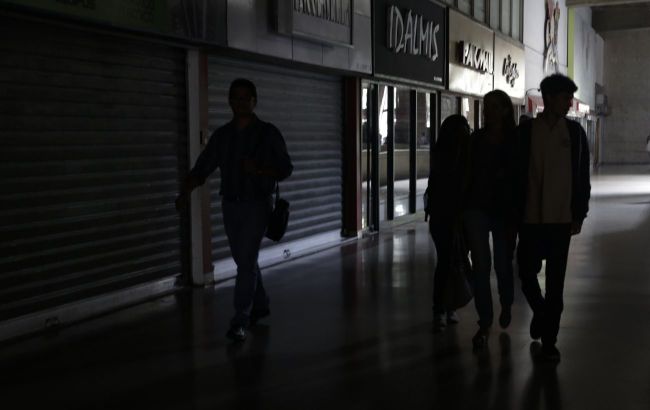 Illustrative photo: Egypt imposes electricity restrictions amid fuel crisis (Getty Images)
Starting March 28, shopping malls, cafes, and stores will operate on a reduced schedule: on weekdays they will close at 9:00 p.m., and on weekends at 10:00 p.m.
Additionally, the authorities plan to turn off illuminated advertising and reduce street lighting to the minimum safe level. Government offices will operate until 6:00 p.m., and the possibility of mandatory remote work one or two days a week is also being considered.
"We need to begin to ration the amounts of fuel and electricity we’re using," Madbouly emphasized.
According to him, these measures will be reviewed in a month and, "God willing, if the crisis ends," they will be lifted.
Madbouly noted that before the war in the Middle East, Egypt’s gas import costs were about $560 million per month. Currently, this amount has risen to approximately $1.65 billion.
"We’re trying to take the situation in a gradual way," the prime minister explained.
He added that energy consumption restrictions are a better option than another fuel price increase, like the one the government implemented last week.
Amid the war in the Middle East and a sharp rise in energy prices, more and more countries are facing a fuel crisis and are forced to introduce restrictions.
A difficult situation has emerged in Cuba. On March 13, the country’s president, Miguel Díaz-Canel, confirmed that Havana is negotiating with the US amid the economic crisis and increased pressure.
According to him, the consequences of the energy blockade are “colossal.” On March 16, the island experienced a complete energy system failure, resulting in a nationwide blackout.
Meanwhile, Russia sent a tanker with over 700,000 barrels of oil to Cuba after the country went three months without fuel deliveries.