Bad weather and air defense gaps complicate Ukraine's response to Russian attack - Air Force Command

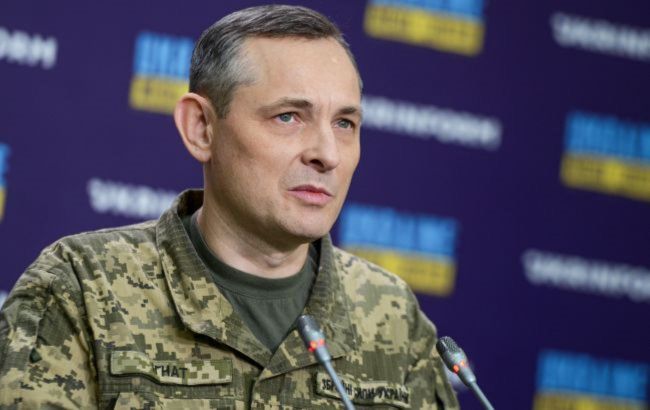 Yurii Ihnat, Head of the Communications Department of the Ukrainian Air Force Command (photo: Getty Images)
During a massive attack on Ukraine on February 7, the defense forces could not deploy F-16 and Mirage fighter jets to intercept missiles because of severe weather, Yurii Ihnat, Head of the Communications Department of the Ukrainian Air Force Command, said in an interview.
Read also: Some air defenses stand empty as next attack looms. Interview with Air Force colonel Yurii Ihnat
Why was aviation omitted
According to the Head of Communications, bad weather was the key factor preventing the use of fighters. Snowfall and poor visibility made it impossible for pilots to effectively hunt cruise missiles.
"We are dealing with very difficult weather conditions. This is the primary reason interception is so challenging—visibility is extremely poor. Snow means non-flying weather. As a result, we could not sufficiently rely on manned aircraft," he explained.
The colonel added that similar problems affected units using interceptor drones, as they require a clear visual feed to guide them to targets.
Ballistic missile threat and system shortages
Yurii Ihnat also noted that Russia is increasingly using ballistic missiles. Because Patriot systems have a limited interception radius against such targets, it is extremely difficult to protect all cities at once.
"Patriot systems must be deployed in sufficient numbers across different cities, but their interception range against ballistic missiles is about 25 kilometers. It is very hard to cover the entire country," he stressed.
Beyond technical limitations, the overall number of air defense systems also affects performance. Ukraine now relies almost entirely on Western-supplied missiles.
"Previously, we had air defense systems using Soviet-era missiles — Buk, S-300, and others. We are now relying exclusively on Western equipment and missiles. That means we have fewer air defense assets in terms of quantity, while the number of drones has increased," Ihnat concluded.
February 7 attack on Ukraine
During the large-scale attack on February 7, Russian forces launched more than 447 drones and various missiles.
The main strike targeted western Ukraine, including the Lviv, Ivano-Frankivsk, Rivne, and Vinnytsia regions. Civilians were injured in Rivne and Khmelnytskyi regions as a result of the attack.
Ukraine's Foreign Minister Andrii Sybiha also stated that Russia is deliberately striking the country's energy infrastructure—nuclear power plants are being forced to operate under emergency-level stress, posing a direct risk of a nuclear incident not only for Ukraine but for all of Europe.