New Russian mobilization? Ukraine's intelligence addresses rumors and major POW swap progress


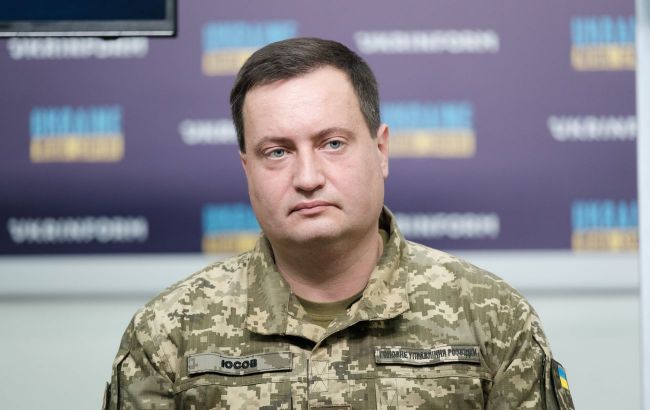 Photo: Andrii Yusov, representative of the Defense Intelligence of Ukraine (Vitalii Nosach, RBC-Ukraine)
The large-scale prisoner exchange in the 1,000-for-1,000 format, which began in May, is ongoing. Meanwhile, the Kremlin is struggling to replenish its occupation army.
RBC-Ukraine has compiled the key statements made by Andrii Yusov, spokesperson for the Defense Intelligence of Ukraine, during a briefing with journalists at the International Architecture of Security Forum.
Key points:
- Mobilization crisis in Russia: Russia is facing a growing crisis in replenishing its army, as recruitment barely covers losses. Prisoners are no longer sufficient, so the enemy is increasingly seeking foreign mercenaries.
- Prisoner exchange: The 1,000-for-1,000 exchange continues despite Russia’s attempts to disrupt it. Ukraine is working to secure the return of all prisoners, including those captured back in 2014.
- Psychological pressure: The enemy is trying to exhaust Ukrainians with constant threats of strikes, but its plans to divide society and create “war fatigue” have completely failed.
- AI in propaganda: Russia is investing massive resources into information warfare (through media, sports, and the church), actively using AI to create fake content and psychological operations.
- Strikes on Crimea: Successful attacks on the occupied peninsula are putting pressure on the Kremlin and undermining Russian propaganda. The range of Ukrainian strikes continues to expand.
Problems of Russian occupiers in Crimea
The Security and Defense Forces continue to strike enemy military targets, including in occupied Crimea, Yusov told journalists. Reports about fuel and diesel shortages on the peninsula are a result of this effective work.
"Is this additional pressure on the Kremlin? Yes. Because it becomes harder for propaganda to claim that everything is going according to plan and that everything is 'fine and wonderful.' Obviously, these statements are complete lies and do not reflect reality. The work continues, and there will definitely be more results," the representative of the Defense Intelligence of Ukraine said.
Will mobilisation in Russia intensify?
According to Yusov, recruitment efforts and mobilisation measures in Russia have not stopped throughout the full-scale invasion and continue to this day. Alongside attempts to recruit foreign mercenaries, the enemy is also trying to expand these efforts.
"Why do they need new people? It’s logical. They need to compensate for losses, and in fact, recruitment volumes barely cover battlefield losses," he explained.
For Russian President Vladimir Putin and the occupying army in general, this is an additional challenge. The Kremlin is therefore seeking ways to solve this problem, the representative of the Defense Intelligence said.
"There are already not enough prisoners for mobilisation, not enough so-called 'penal soldiers' or debtors. This crisis for Putin is growing, and they will take additional measures," Yusov added.
Why Russia postponed the expected weekend strikes
According to a representative of the Defense Intelligence of Ukraine, the postponement of Russian strikes is part of an element of pressure and psychological influence on Ukrainians.
"It is clear that this is the enemy’s tactic, including combining and mixing direct military pressure with psychological pressure on Ukrainians who have been living in wartime stress for more than four years," he explained.
Yusov emphasized that Ukrainian forces are preparing for every possible strike. At the same time, civilians are urged to treat air raid alerts responsibly and be ready to respond.
What is happening with the 1,000-for-1,000 prisoner exchange
Russia has repeatedly disrupted or delayed prisoner exchange agreements during the war. As for the 1,000-for-1,000 exchange, the first stage of which took place in May, work on it is ongoing, Yusov told journalists.
"The 1,000-for-1,000 exchange has started, and the first stage has taken place. Negotiations have not stopped despite any parallel statements and events. We will continue, and there will definitely be results," he said.
According to him, Ukraine is ready to fulfill its part of the agreement and exchange Russian prisoners of war to bring back its own defenders and civilians from Russian captivity.
He also noted that Ukraine is working on the release of those who have been held in Russian captivity since 2014, including in Crimea and Donbas.
"Everyone is accounted for, an information system and database exist — everything is known, legal assistance is provided where possible, and work on returning them is ongoing," he concluded.
What topics is Russia pushing in Ukraine
According to a representative of the Defense Intelligence of Ukraine, the core themes of Russian propaganda have not changed during the war, but the enemy has begun using new technologies. Russia is now actively using artificial intelligence to generate fake content and conduct information and psychological operations both in Ukraine and internationally.
The key narratives in Russian disinformation remain the same:
- Promoting the narrative of "war fatigue" and attempts to destabilize society;
- Efforts to discredit the Ukrainian authorities and turn people against each other;
- Artificially inciting conflicts on ethnic, religious, or other grounds;
- Disrupting Ukraine’s mobilization process;
- Discrediting Ukraine in the eyes of its partners to slow down or halt military aid.
However, Yusov emphasized that despite massive efforts by the enemy since 2022, the global objectives of the Kremlin’s information war have completely failed.
"Ukrainians remain united in their assessment of the enemy’s actions, united in their support for the Security and Defense Forces, and in their readiness to resist. I am convinced that we will all ensure that this remains so," he said.
Read also: