'Eight can take out three companies': Ukrainian FPV commander on power of drones


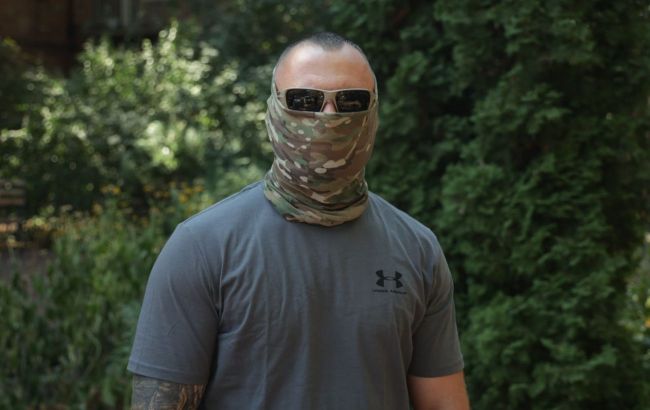 Photo: FPV crew commander Hots of the Artan special unit of Ukraine’s Defense Intelligence (Vlad Nesterov/RBC-Ukraine)
Just ten years ago, having one Mavic drone for an entire company was a rarity. Today, a four-person FPV crew can carry out missions that once required large military units.
Soldier with the call sign Hots has witnessed the evolution of UAVs firsthand. In 2015, shortly after finishing school, he volunteered to defend his native Luhansk region. At the front, he went from infantryman to commander of an unmanned systems crew in Artan, a special unit of the Department of Active Operations of Ukraine’s Defense Intelligence. RBC-Ukraine spoke with the serviceman about how drones are changing modern warfare.
Key points:
- FPV drones are now used not only as strike weapons, but also for reconnaissance, targeting enemy logistics, destroying enemy positions and rescuing Ukrainian troops.
- Thanks to FPVs, Ukrainian infantry increasingly avoids close combat — drones destroy enemy forces before assault groups even move in.
- During large-scale assaults, an FPV crew can carry out more than 30 combat sorties in just a few hours and stop columns of enemy equipment.
- A four-person crew can eliminate up to 100 Russian soldiers during a single operation.
- Using FPVs, Artan fighters managed to rescue three Ukrainian assault troops from Russian captivity by luring Russian soldiers out of their shelter.
Below is the serviceman’s account in his own words.
'One Mavic for the entire company': How the drone era began
The first time I went to the Anti-Terrorist Operation zone was as part of a special police unit. Back then, Mavics were extremely rare. There might be just one drone for an entire company, and even that one was barely used at first.
Later, they began using them for aerial reconnaissance and to adjust mortar and artillery fire. In 2017–2018, the first attempts to drop ammunition from drones appeared. Even then, it became clear that this was the future.
At that time, I was an ordinary infantryman. My missions included defense, combat patrols and occasional offensive operations. But even then, there was growing interest in unmanned systems.
It was during the full-scale war, in 2023, that I began exploring FPV drones for myself. Through volunteer contacts, we found drones and equipment, trained and flew them at training grounds. But whenever I approached the command to get approval to establish a drone position, they refused. So we continued working with Mavics and destroying the enemy.
I remember a period when there were very few night-vision Mavics. They were kept only for major Russian assaults. At night, reconnaissance was essentially the only thing they could be used for — there were no ammunition drops.
My group found some night-capable Mavics through people we knew, set them up and decided to give it a try. We flew out that very first night. The Russians were well dug in among the tree lines. We spent the entire night dropping ammunition and completely “tore apart” the position. We didn't tell anyone.
In the morning, we got a call: “These photos just came in. The entire position has been destroyed. Was that you?” Then they told us: “Take your Mavics away. Nobody is going to work like this. Nobody gave you permission.”
Some time later, one of the pilots from my group ended up in the hospital. There, he met a soldier who had served in the same part of the front where we had been operating.
The soldier said: “I remember there were some pilots who were bombing the Russians like that... Our battalion commander was looking for them to thank them.” My comrade looked at the photos — and it was our work...
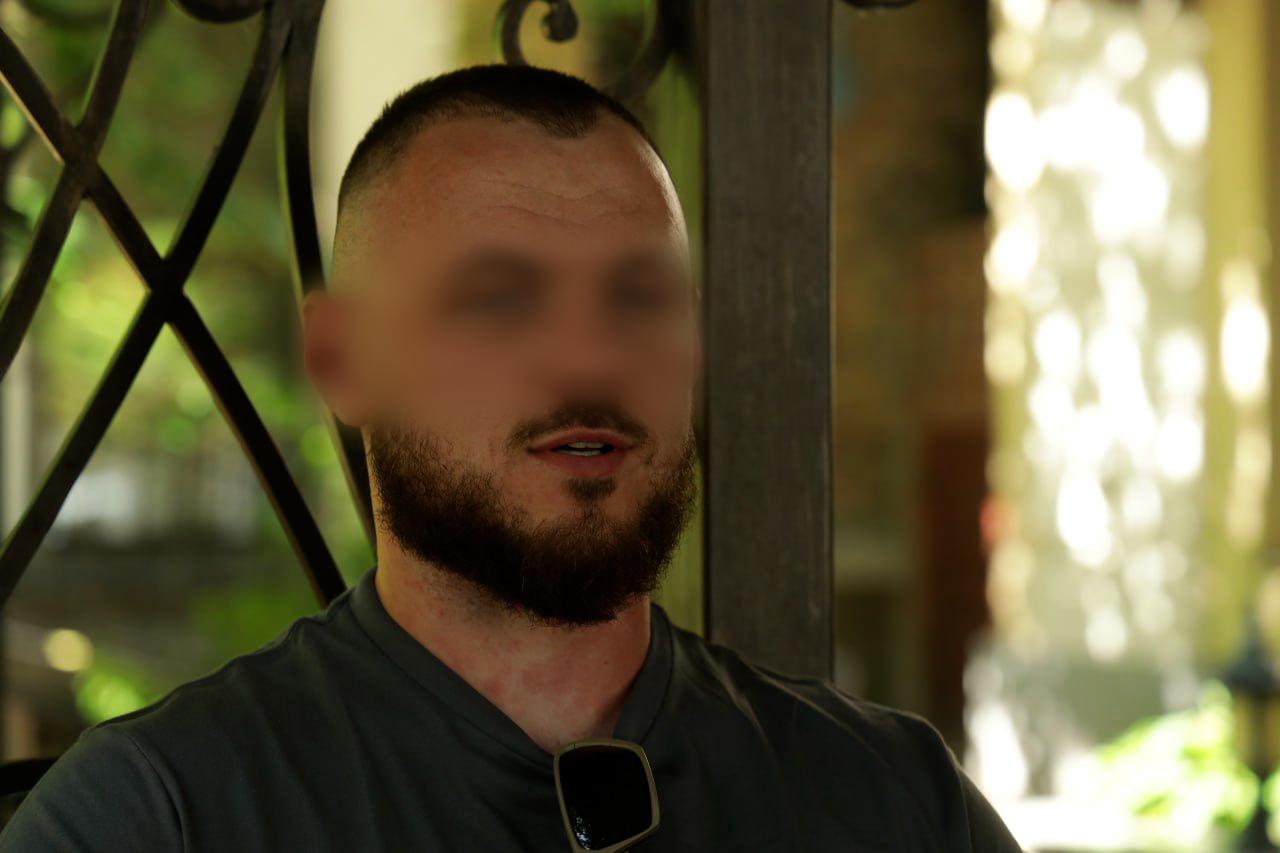 Photo: Hots went to the front in 2015 (Vlad Nesterov/RBC-Ukraine)
'I have never regretted my choice'
In Artan, the approach is completely different — you can fly even 30 missions a day. I joined two years ago, and I have never regretted my choice. I had also taken part in various special operations before that, but here I saw a completely different approach to how they are carried out.
You can even feel it in everyday communication with commanders. It doesn’t matter who you are — a newcomer, an enlisted soldier, or someone who has been in the unit for a long time. Everyone is treated the same. People are evaluated based on how they perform, not their rank or years of service.
Our commander, Titan, cares about every single person. Everything is planned so that a combat mission can be completed with minimal personnel losses. And ideally, with no losses at all.
That's what I call treating people like human beings. Over time, I brought many of my guys here because I want people to serve under decent conditions. Unlike Russia, we don’t have an endless supply of manpower. We cannot afford to lose people. We have to protect every soldier and win this war, rather than simply keep fighting...
'Eight people can take out three companies'
We currently use different types of unmanned systems. These include radio-controlled FPV drones and fiber-optic drones. There is a specific weapon for every task. Many people think FPVs are only used for strikes. That’s not true. Often, they also perform reconnaissance missions.
With strike FPVs, we can scout terrain or Russian positions in places where even a Mavic or a reconnaissance aircraft may not always be able to reach. If there are buildings, bunkers, or rubble, we can fly inside, see what is happening there, and pass the information on.
Sometimes it is a live feed that the command post can see. Sometimes we simply record a short video and send it to the units that need the information.
After that, assault teams already understand the layout, where the shelters are, and what routes are available. That makes their job much easier.
When we use fiber-optic drones, the possibilities are even greater. We can literally enter almost any building. And if there are Russians inside, we can not only conduct reconnaissance but immediately take them out as well.
We are also increasingly using unmanned ground vehicles (UGVs) because of the high activity of enemy FPV drones and the mining of logistical routes. They transport drones, ammunition, fuel for generators, food — everything an aircrew needs. It is safer that way. It is better for the Russians to destroy a robotic vehicle than the crew carrying out the logistics mission themselves.
Our FPV crew consists of four soldiers: a crew commander, an FPV pilot, a relay pilot, and a loader. Any member of the crew can replace another because everyone is trained to perform tasks related to FPV operations.
The best result is when you finish a mission and see how many enemy troops you managed to take out. Sometimes a crew can eliminate 50 or 60 Russians in a single operation, and occasionally close to 100. Four people can do that kind of work.
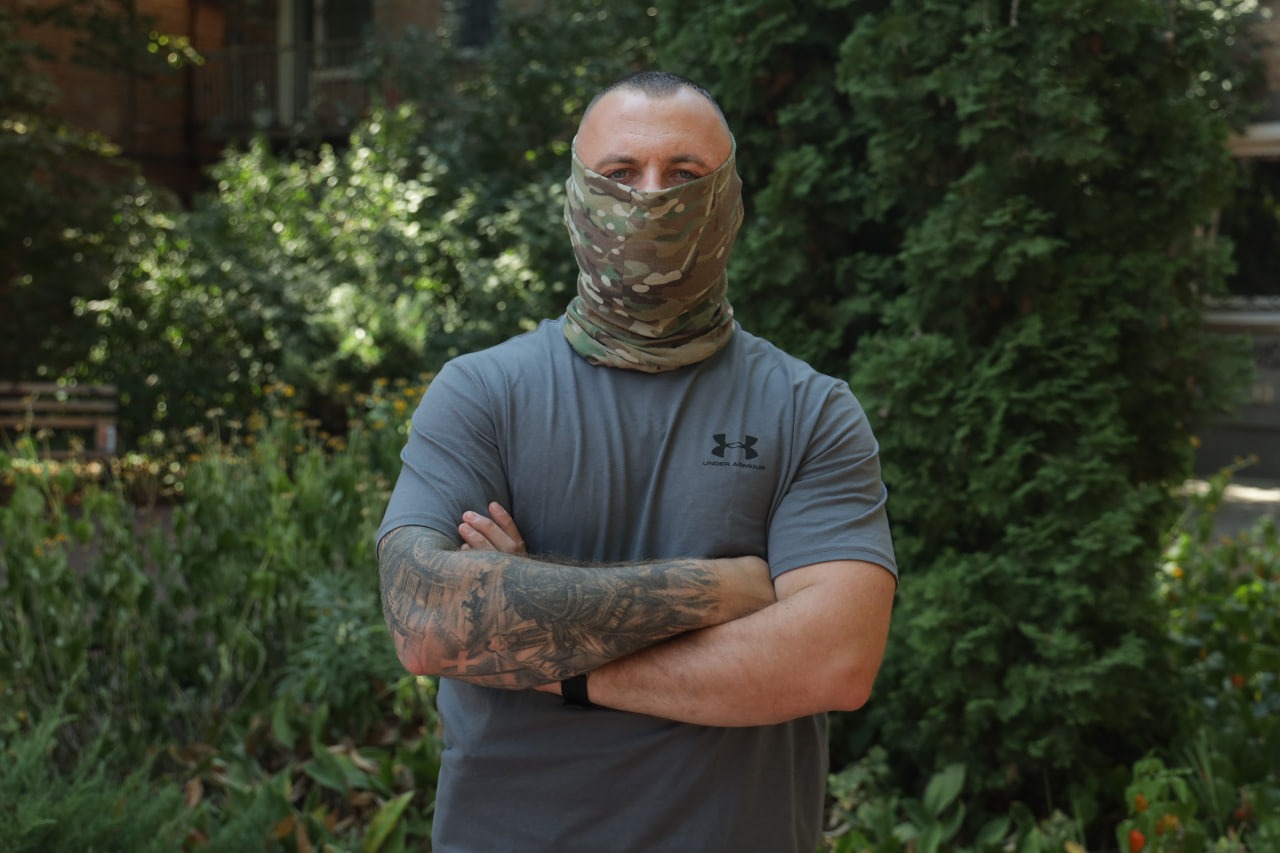
Photo: Hots is the commander of an unmanned systems crew with the Artan special unit of the Defense Intelligence Department of Active Operations (Vlad Nesterov/RBC-Ukraine)
If you look at my two years of service, first with my crew and later with two crews, we could destroy two or three hundred enemy troops, or even more. In effect, eight people could have “taken out” three companies over that period. Not in a single day, of course. But when you look at the overall result, that is roughly what it adds up to.
Every day we report how many enemy personnel, vehicles, equipment, and artillery pieces were destroyed. The data is then analyzed to understand the enemy’s actual losses in a particular area and plan further operations.
We even have friendly competition between crews. When reconnaissance spots a Russian soldier moving, everyone wants to be the first to reach the target and take him out.
'Mistakes come at a high price'
On the battlefield, any mistake can come at a high price. A mistake can cost a soldier’s life. We don’t make mistakes! Any crew gets tired. It doesn’t matter whether you fly a Mavic or an FPV. You can work for 24 hours straight, sleep for two hours, and then go back to flying.
Crews rotate. Someone may stay at a position for 10 days, someone else for 20 — it all depends on the situation. When we leave for rest, that doesn’t mean we stop working. While one group is operating from a position, another prepares everything needed for its work.
We assemble drones, prepare ammunition, bring in equipment, and deliver supplies to the positions. You can’t bring everything in during a single trip. We go through a lot of drones. Sometimes we can conduct up to 40 flights in a day.
We can rest for a day or two and then move to another position and work on specific targets. For example, we hunt Russian FPV or Mavic pilots. These are priority targets for us. If we locate their positions, we simply dismantle them and inflict as much damage as possible.
Of course, the Russians are also trying to find us, but experience allows us to operate in a way that makes it difficult for the enemy to locate us.
The Russians are constantly trying to track us. They have observation posts. As soon as they hear the sound of an FPV, they immediately report that a drone is flying. They may be able to determine the direction it came from, but not the exact position. That’s why we don’t immediately leave the position after every launch. We keep working.
The most dangerous part is not flying the drone but entering or leaving a position. That is when the enemy has the greatest opportunity to hit the crew. Once the pilots’ position is discovered, it becomes a priority target. The enemy spares neither drones nor artillery shells. Positions can also come under airstrikes.
That’s why we take these things very seriously. Before a vehicle comes in, we check the routes. Some people stay at the position while others go out to inspect the most dangerous areas — turns, open spaces, and anywhere there could be a threat.
I generally try to rely on myself as much as possible. Someone might say, “We’ve already checked it.” But when I know my guys, my subordinates, are about to drive in, I feel more comfortable checking everything myself. I am responsible for them.
'They give us a target — we destroy it'
Last year, we operated in the Lyman area together with the Third Assault Brigade. It was a well-coordinated joint effort: everyone had their own responsibilities, but we worked as one team.
Many of my comrades from the ATO days were already serving in the Third Assault Brigade at the time. It was interesting to see the guys again and talk about our work. They shared their experience and helped us carry out missions. That’s how it should be.
At the time, we liberated several settlements. The point of such operations is not simply to retake a particular village. The Russians choose one direction, concentrate their forces there and begin attacking.
Our task is to force them to redeploy their reserves. When they start moving troops to another area, another section of the front becomes weaker.
The command leadership handles operational planning. We receive specific tasks directly at our positions. They give us a target — and we destroy it.
I remember the operation in Stepnohirsk well. When we went in to carry out the mission, the Russians were practically everywhere. Working together with other units from our Department of Active Operations and the Defense Forces, we managed to clear the gray zone, where the enemy had already established strong positions, and clear the settlement itself.
We disrupted their plans to capture Stepnohirsk. Taking it would have opened the way farther toward Zaporizhzhia. That did not happen thanks to the work of Artan and all the units that were carrying out the joint mission at the time.
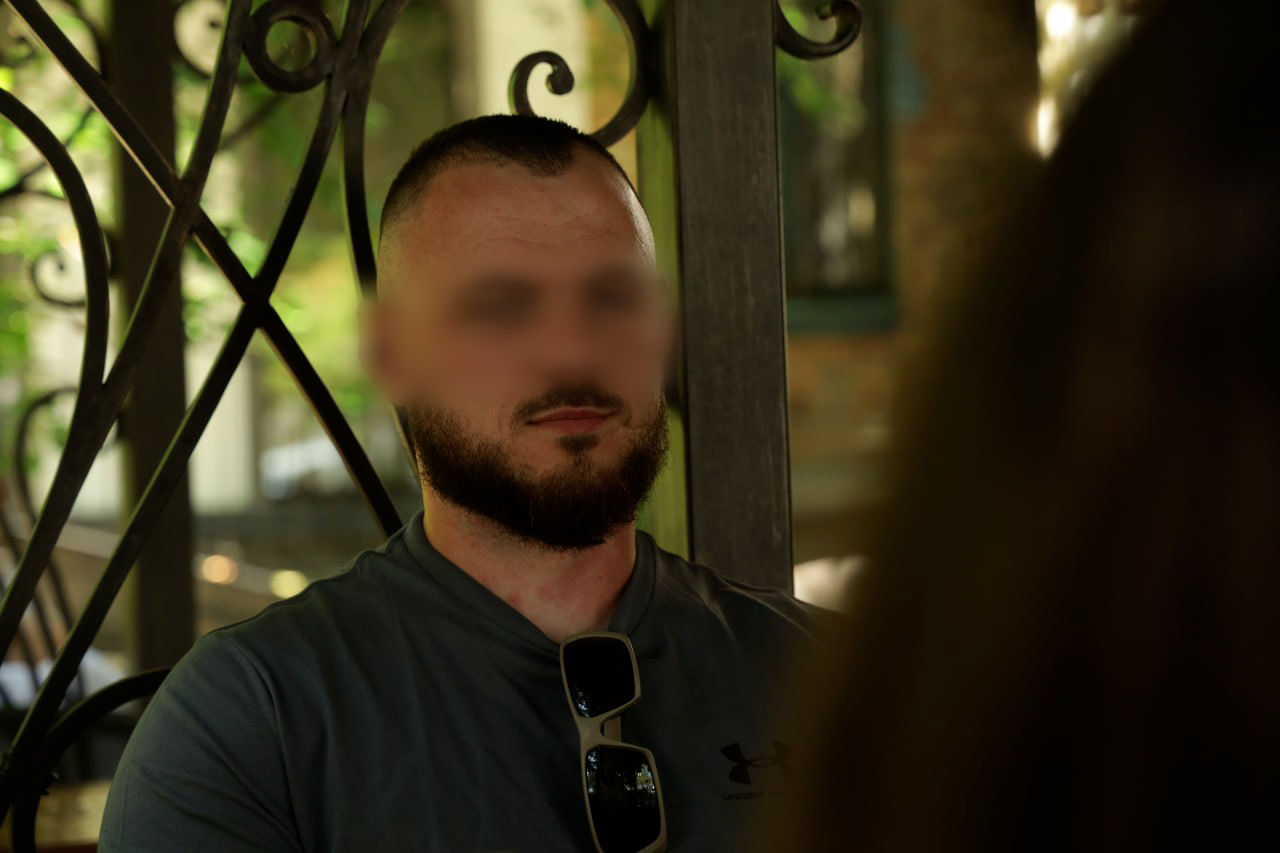
Photo: Hots: “Sometimes a crew can eliminate 50–60 Russians in a single operation, and occasionally close to 100” (Vlad Nesterov/RBC-Ukraine)
I also remember an incident in the Lyman area. One morning, we were told that a Russian assault group had entered a tree line. Four Russian soldiers thought they were well hidden. They spread out under the trees and camouflaged themselves.
They were no longer visible from a Mavic. But the tree line had been almost destroyed by artillery, so the trees were sparse. We began flying FPVs directly into the middle of it.
One flight after another. We found the first one. Then the second, third, and fourth. From the moment we spotted them until the last strike, about 30 minutes passed.
And that was very important because our infantry no longer had to engage them in close combat. If the Russians had launched an assault, our guys would have opened fire immediately and then called in artillery and drones. Instead, everything was over before the infantry even arrived.
'We don't chase equipment — we hunt logistics'
There was far less equipment in the Lyman area than there is in the Zaporizhzhia area now. So we began targeting logistics.
We set up FPV ambushes along routes. This reduced the flight time from our position — a drone could reach its target in literally two or three minutes. It doesn’t always work because vehicles operate with electronic warfare systems, but the Russians become complacent. They think they are already far from the front and don’t always have time to activate their protection. That’s when we catch them.
For ambushes, we use regular FPVs fitted with landing legs so they can land with an explosive payload attached. The drone simply sits there and waits for its target — a vehicle carrying ammunition, food, infantry or other supplies to the positions.
Once, we destroyed a vehicle carrying four or five bags of supplies. But it wasn’t just one vehicle — it meant dozens of Russian soldiers would soon be left without supplies. As long as the supply chain is working, Russian soldiers can maintain their positions.
We also destroy UGVs even if they are already on their way back after delivering their cargo. Otherwise, they will carry out another mission tomorrow. We do the same with motorcycles, scooters — anything that supports logistics.
There was one case where a damaged Russian vehicle was sitting there. It was clear that it could still be repaired or evacuated.
We set up a "zhdun" — a drone left waiting in position — and watched the vehicle. At some point, they spotted our drone and dropped a munition, but something went wrong, and their own strike ended up destroying the vehicle completely. We hadn’t even planned to finish it off. They ended up doing our job for us.
'We used drones to rescue prisoners'
Cases where FPVs help capture prisoners are extremely rare. But last spring, we managed to rescue three of our assault soldiers from captivity. Our troops spotted an enemy group and engaged them, but the Russians dropped gas into our guys’ position. They lost consciousness and were captured.
Our command planned an operation very quickly. Using FPVs, we managed to lure the Russians out of the basement. The footage clearly showed where our soldiers were running and where the occupiers were. The prisoners had been forced to remove all their equipment so they would not have grenades or weapons.
Our guys immediately moved to the side, while the Russians clustered together. We simply began striking them with drones. After that, our soldiers were guided back to their positions with the help of a Mavic equipped with a loudspeaker.
Another episode that I remember well happened in the Zaporizhzhia area. Last spring, the Russians launched a massive assault. They committed more than 50 pieces of equipment within a few hours.
The FPV strike was so intense that almost all the equipment was destroyed. Other units spent the next several days taking out the infantry that remained.
Our crew carried out 33 or 35 flights in just four hours. Sometimes you would reach the target only to find that another crew had already destroyed it. You turn around and fly toward the next one. By the time you get there, someone else has already engaged it. When the first and second waves of the assault were over, there was almost an adrenaline rush. You found yourself asking, “Come on, give us another one.”
FPVs really are changing the war. They can stop assaults before the enemy’s equipment even reaches our positions. And it is much easier for infantry to finish off the Russians who survive the drone strikes.
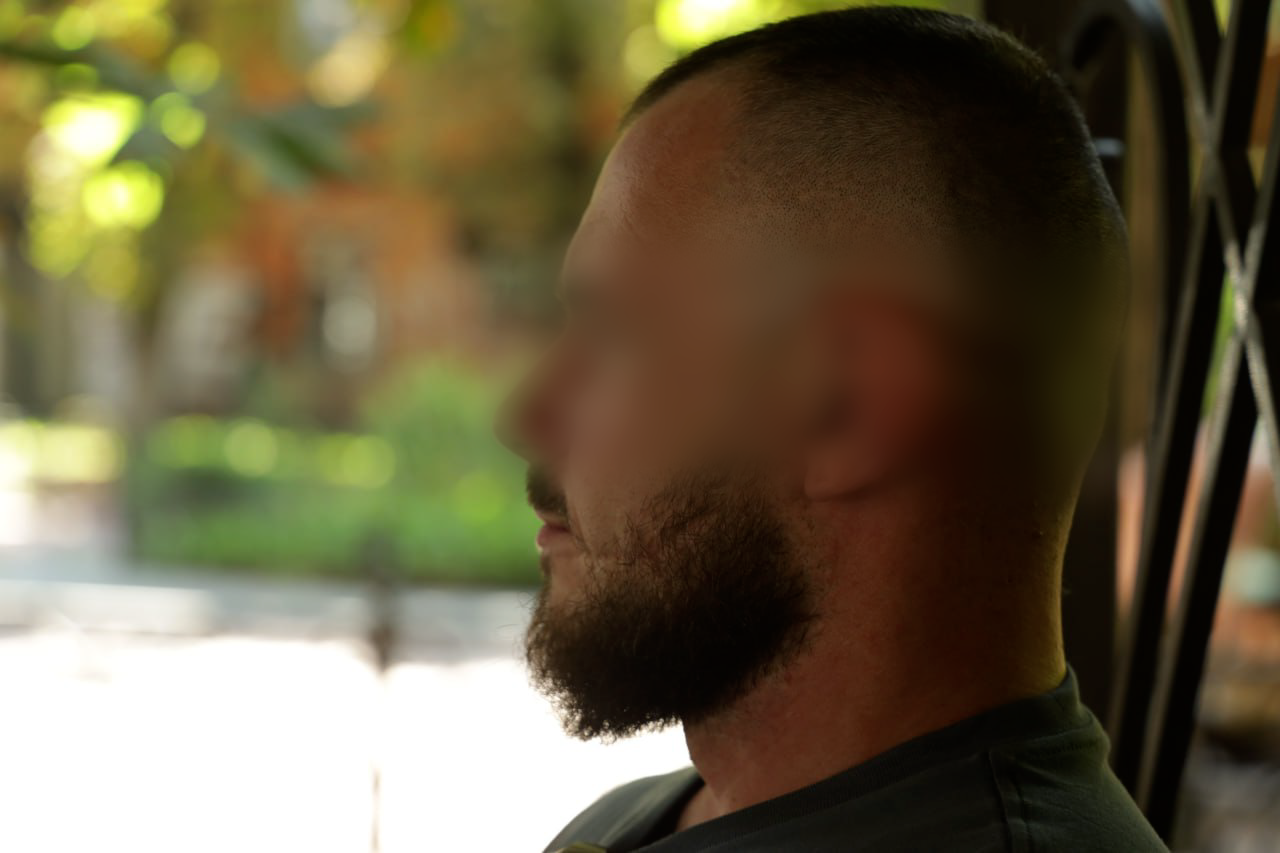
Photo: Hots: “FPVs really are changing the war. They can stop assaults before the enemy’s equipment even reaches our positions” (Vlad Nesterov/RBC-Ukraine)
Just a few days ago, the Russians once again attempted a tank assault in the Donetsk area. I think they brought out 20 or 30 tanks. In the end, not a single one made it through. They were all destroyed.
There were times when, during a six-hour shift, we had four confirmed enemy fatalities, four wounded, and three more whose condition was unclear after the strikes.
So in just a few hours, that could mean 11 Russian soldiers hit. And very often, those initially recorded as wounded later became fatalities. Nobody provided them with medical assistance, and nobody evacuated them.
UGVs and FPVs can cover as many frontline needs as possible. Of course, equipment can break down or be destroyed. But if it can reduce casualties among our soldiers and reduce the number of people who have to remain in frontline positions, that is the right path. It means fewer Ukrainian losses.
Our primary task is to save the lives of our infantry.
But one thing needs to be understood: robots don’t fight wars. People who operate them do. Ninety percent of the people in my crews used to be infantry. They are assault troops and soldiers from mechanized units. People who themselves were on the front line, held defensive positions, and took artillery fire. It is a great honor for me to be part of a team of people like that.
In 2022–2024, there were far more infantry troops on the front line. Infantry was the force repelling assaults and destroying equipment. Back then, a tank could drive within 20–50 meters of our positions and fire on the infantry. Now, a tank simply won’t make it that far.
'The war took away our home'
Last year, when we were working with the Third Assault Brigade, we were operating not far from my home in the Luhansk region. It was very difficult: you know you are in your home region, but you cannot get home.
My parents were forced to leave the home where they had lived their entire lives in 2022. They simply abandoned their house and left because Russia decided that this was its territory.
I remember very well what things were like before 2014. On Independence Day and City Day, everyone would wear vyshyvankas, and Ukrainian symbols were everywhere. There was no talk about “Nazis.”
Most people spoke Russian, and nobody prohibited anyone from doing so. Everyone knew perfectly well that they were Ukrainian. Then propaganda gradually began to take hold. Some people believed it, others did not.
Back in 2014, some people from my hometown went to fight on Russia’s side. Some of those who later became commanders or leaders there had spent some time in Russia beforehand. They were trained there.
The older generation, which had grown up in the Soviet Union, thought that everything would be the same as it once was. But it turned out completely differently. This was not a “civil war,” as the Russians like to claim, even though some locals took up arms. They turned against their own country, army, and people. They are traitors and enemies.
'I don't want those who died to have died in vain'
My biggest motivation is to liberate my hometown. And another major motivation is to prevent the Russians from advancing any farther.
Some people live far from the front. For them, the war means an air-raid siren once every few days. It feels like everything is happening somewhere far away. But if the enemy is not stopped, the war could reach them within six months.
Sometimes even people I know ask me, “What are you fighting for? Who are you fighting for?”
My comrades are another source of motivation. Many of my friends have been killed. And I really don’t want their deaths to have been in vain. They gave their lives. They left behind wives, children, and parents. I don’t want those guys to be forgotten.
I had a friend from as far back as 2014 whose call sign was “Islam.” He was killed in besieged Mariupol in 2022, and a year later, his father was also killed near Bakhmut. My comrade left behind a young child and a mother. When you see things like that, you understand that an entire generation is simply being wiped out.
In August, one of our comrades was killed near Lyman. He was evacuating an assault group. There were five soldiers in the vehicle, but the strike hit him. He had served in a special unit since 2015. In 2022, he had already returned to civilian life, but he voluntarily went back to the front. Posthumously, the president awarded him the title of Hero of Ukraine. He left behind two children and his parents.
That is why revenge becomes a source of motivation for many of us. Because when you know that you are destroying the enemy, it makes things a little easier...
Support the fundraiser for components for UAVs used by the Artan special unit of the Defense Intelligence Department of Active Operations.