Life after Orbán: Who could become Putin's next ally in EU


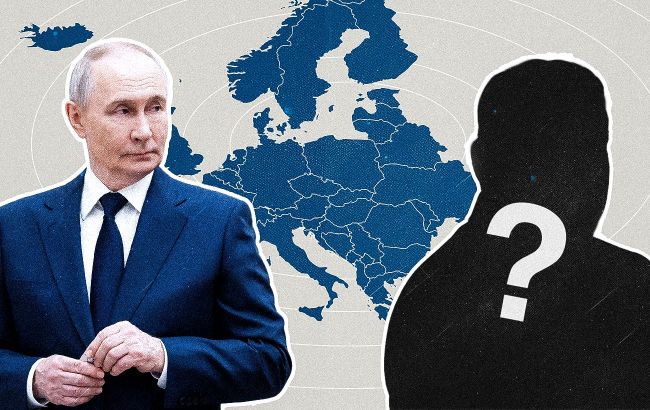 Who could replace Orbán as Putin's ally in Europe (RBC-Ukraine collage)
The loss of Viktor Orbán has dealt a major blow to the Kremlin’s interests in Europe. However, it is too early to celebrate.
For more on whether Slovakia or Bulgaria could become new channels for Moscow’s interests in the EU, how Russia operates in France and Germany, and whose war fatigue poses the greatest threat to European unity, see the RBC-Ukraine report.
Key points:
- Radicalization of leading economies. In France and Germany, populists (National Rally and Alternative) are pressuring mainstream politicians, forcing them to echo toxic narratives to maintain their ratings.
- Quiet sabotage in Czechia and Austria. The return of Andrej Babiš and the rise of the far right in Austria threaten to block defense initiatives under the guise of "economic egoism" and neutrality.
- Slovakia and Bulgaria as key partners. Robert Fico remains Russia’s main player, while the triumph of pro-Russian Rumen Radev in Bulgaria raises the risk of a new government critical of support for Ukraine.
- The Kremlin is building a new network of saboteurs. After Orbán’s defeat, Moscow has shifted to a decentralized strategy, using populists and pragmatists across the EU to undermine European unity.
The myth of a successful illiberal democracy able to dictate its terms within the EU with impunity has collapsed. But Moscow has not abandoned its strategy of internal division.
New contenders for the role of saboteurs may come from right- or left-wing parties, from northern or southern Europe, but their policies and narratives are similar: hostility to Euro-Atlantic security, attacks on "corrupt Eurocrats," and a willingness to torpedo joint decisions.
The wave of isolationism has been significantly fueled by Donald Trump’s return, whose rhetoric is now widely echoed by European populists. However, on the Russia issue, this illiberal camp shows cracks. Fringe figures entering government are forced to balance between appealing to Washington and preserving their Russian or Chinese interests.
From this very environment, constantly complaining about bringing back cheap gas and calling for pragmatic negotiations, Moscow is now cultivating new allies.
Slovakia: the Kremlin’s last foothold
After Orbán’s defeat, Slovak Prime Minister Robert Fico has found himself increasingly isolated, becoming perhaps the only openly pro-Russian partner at the highest levels of the EU.
He is openly using European mechanisms to Moscow’s advantage: threatening the European Commission with blocking aid to Ukraine, demanding the return of Russian oil, while his party’s MEPs vote according to the Kremlin’s instructions.
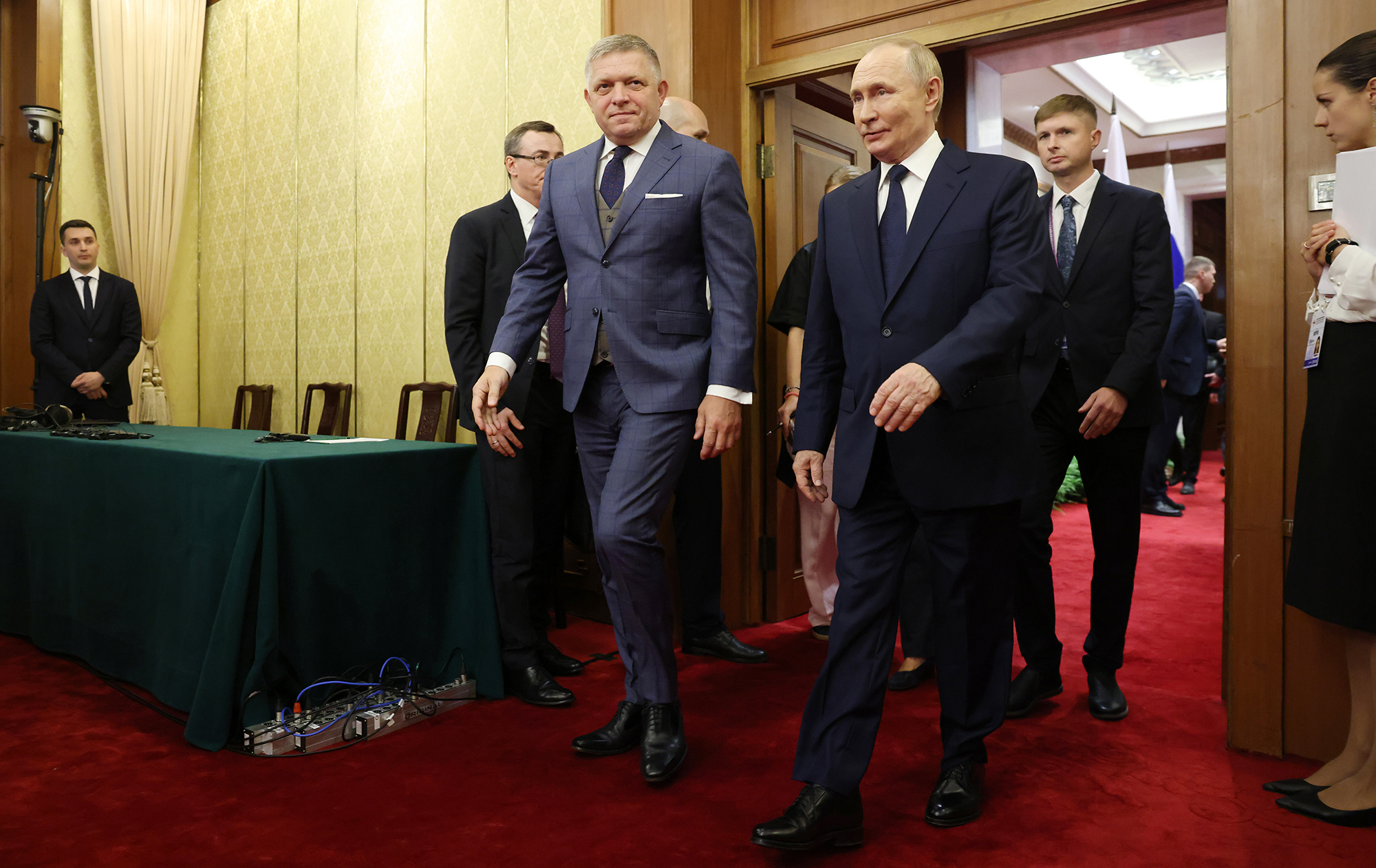
Robert Fico and Vladimir Putin (Photo: Getty Images)
However, amid higher taxes and rising cost of living, Fico’s ratings are plummeting. Facing the prospect of losing power in the 2027 elections, his government is trying to rewrite the rules in its favor, from banning postal voting from abroad (where over 80% of the diaspora supports the opposition) and gerrymandering in favor of loyal regions, to financially squeezing the opposition by raising the threshold to 7% and significantly increasing the monetary deposit.
Slovaks are staging mass protests, a sign that unrest is on the rise.
Slovakia remains Putin’s main active asset. But without Orban, whose veto power helped protect allies from sanctions and loss of voting rights in the EU, Fico cannot sustain this game alone. He urgently needs new partners.
Czechia: legitimizing European selfishness
In January, billionaire populist Andrej Babiš returned to the Czech Prime Minister’s office. He is not a zealot of the "Russian world," but a pragmatic businessman who has shifted from a liberal centrist to a far-right Eurosceptic. For Moscow, however, such a pragmatist may be even more useful than outright radicals.
Instead of openly declaring support for Russia, Babiš is scaling back aid to Ukraine, refusing to fund a major European loan for Kyiv, and cutting defense spending in the 2026 budget, ignoring NATO demands.
His party leads with over 32% in the polls, successfully turning public war fatigue into official state policy. This creates ideal conditions for Moscow’s quiet sabotage.
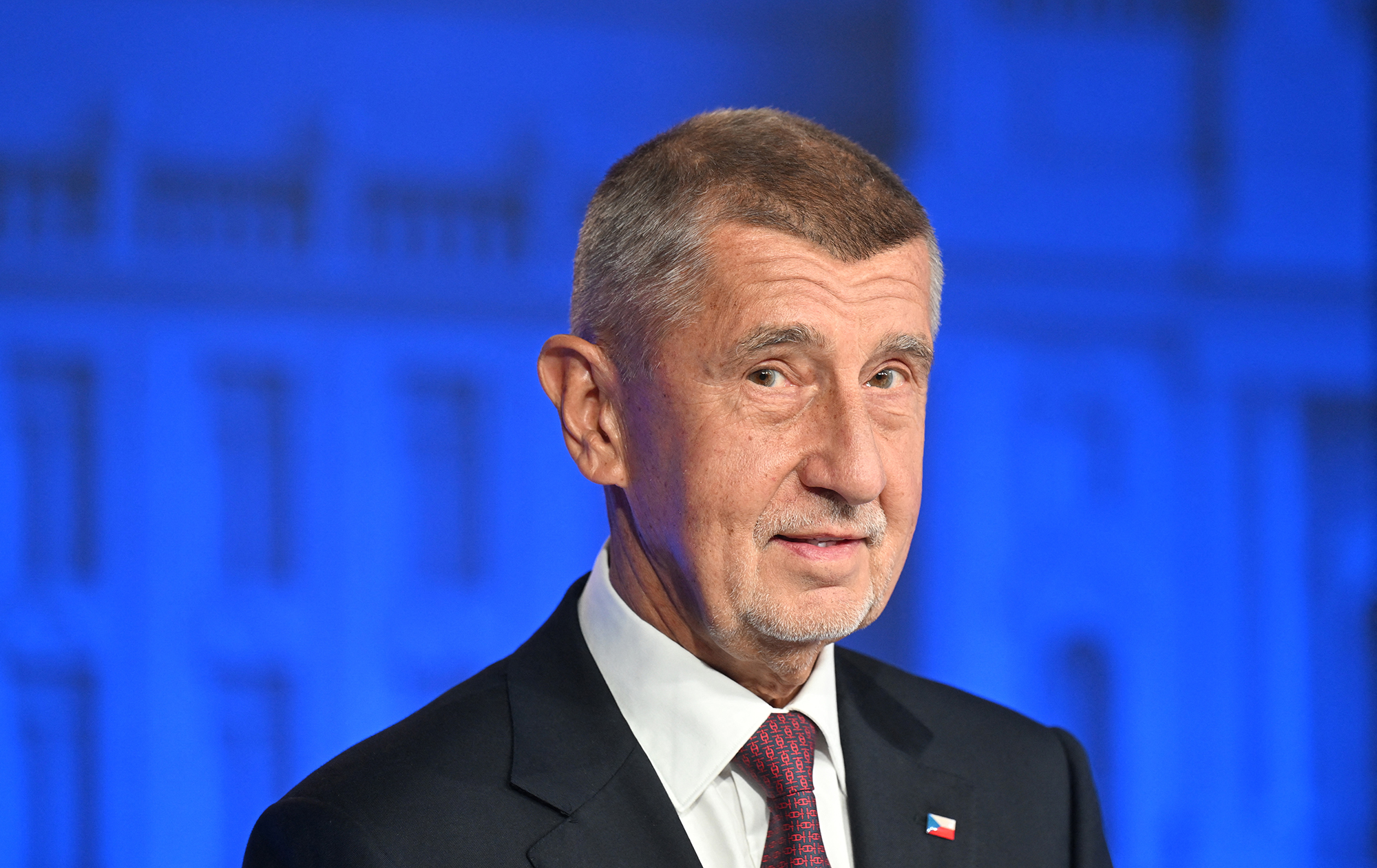
Andrej Babiš, Prime Minister of Czechia (Photo: Getty Images)
France and Germany: Russia’s pressure points in the EU
The EU’s two largest economies are still in Moscow’s sights, but the approach differs in each case. In France, President Emmanuel Macron’s government maintains a firm anti-Russian stance, but the country is already shifting into election mode ahead of 2027.
The far-right National Rally has adjusted its tactics: instead of openly signaling sympathy for Russia, its young leader Jordan Bardella now promotes common sense and caution.
For Vladimir Putin, France is too large to be turned into a puppet. However, the risk of Paris obstructing European defense efforts or scaling back weapons supplies to Ukraine remains real if the far right wins the upcoming elections.
In Germany, Friedrich Merz’s government remains a key supplier of weapons to the Ukrainian Armed Forces. However, the domestic situation is critical: trust in traditional parties is declining, and Merz is facing record-low approval ratings. Meanwhile, the far-right Alternative for Germany (AfD) has surged to first place in polls (27%), openly calling for the return of Russian gas.
They are also backed by left-wing populists from the Sahra Wagenknecht Alliance. The main risk is that centrist parties could drift toward more radical positions to shore up their ratings
Italy: tensions within the ruling coalition
Giorgia Meloni’s government has been an unpleasant surprise for Moscow. Despite its right-wing orientation, Meloni maintains a firm pro-Western course and insists on economic pressure on Russia.
However, the pro-Russian threat lies within the ruling coalition, namely Matteo Salvini and his League party. Salvini is actively appealing to a war-weary electorate: pushing for a return to pre-war tariffs, promoting a normalization of cultural relations with Russia, and attempting to normalize a softer stance toward it. As long as Meloni remains in control, sabotage is unlikely, but any shift in the balance of power would immediately raise risks to a critical level.
Bulgaria: pro-Russian forces return to power
On April 19, Bulgaria held parliamentary elections — the eighth in the past five years. Pro-Russian former President Rumen Radev secured a decisive victory. His newly created party, Progressive Bulgaria, won nearly 45% of the vote.
Any hopes that Radev would be forced into coalition compromises have collapsed. He will gain a parliamentary majority and will be able to form a government on his own.
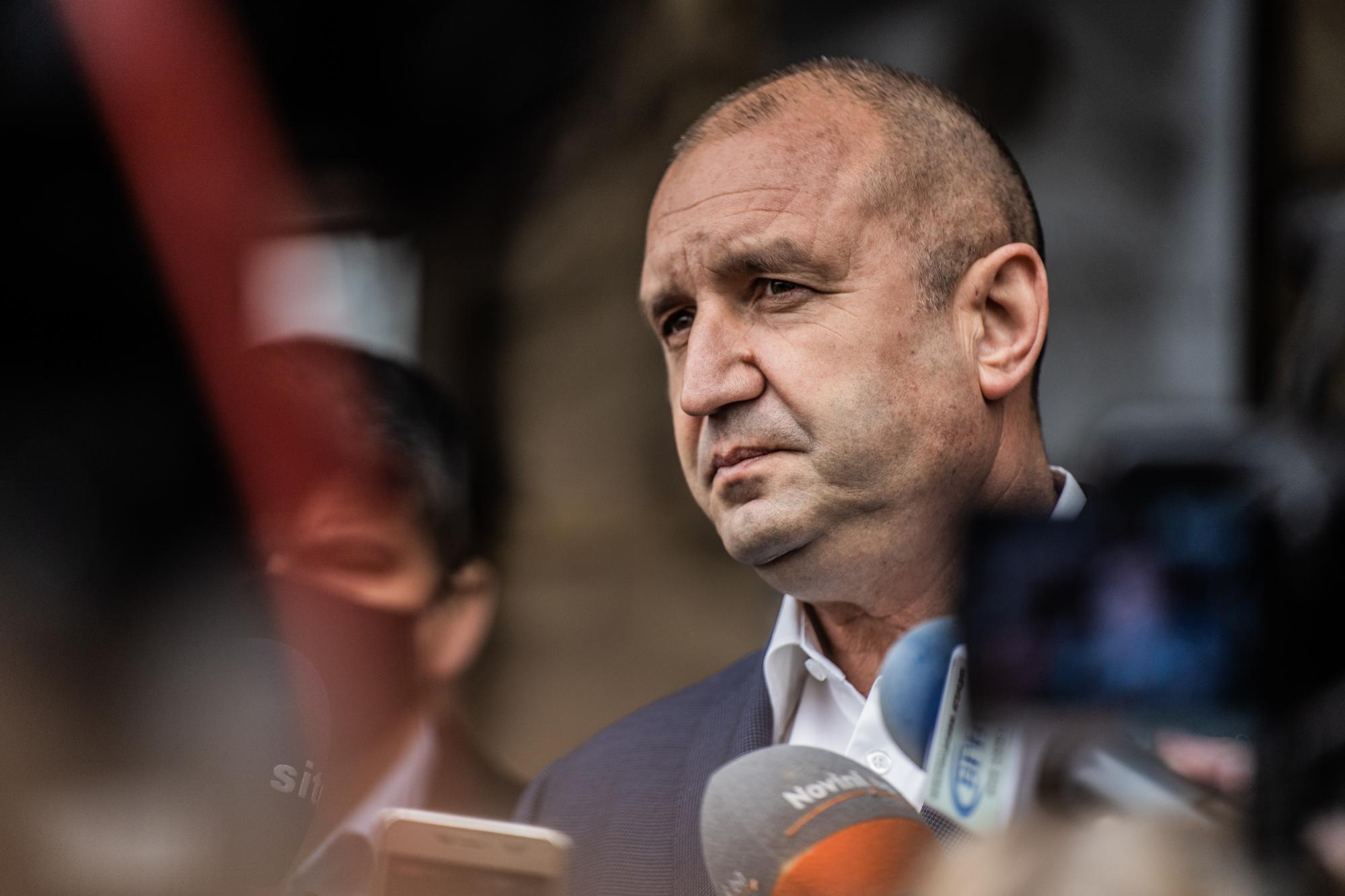
Rumen Radev, leader of the Progressive Bulgaria party (Photo: Getty Images)
In practice, this means a sweeping defeat for pro-Western forces: liberal coalitions and traditional parties (such as former prime minister Borisov’s GERB) secured barely 13% each.
With full control of power, eurosceptic and opponent of military aid to Ukraine, Rumen Radev could attempt to block support for Kyiv, and is already openly describing European policy as a "victim of its own moral ambitions."
However, Radev’s weak spot is that Bulgaria’s economy is heavily dependent on inflows from EU funds — far more so than Viktor Orbán’s Hungary. At the same time, the country’s defense industry is making substantial real money from cooperation with Ukraine. The question is whether Radev would dare to go against the interests of powerful arms manufacturers.
Other European weak points
Moscow is not limiting itself to key players and is probing for weak spots across the EU.
A genuine political shock has erupted in Slovenia, long seen as a reliable rear for Ukraine. The country is now undergoing a dramatic shift. The new speaker of parliament, Zoran Stevanović, is already planning a visit to Moscow, openly calling for sanctions to be lifted and proposing a referendum on leaving NATO.
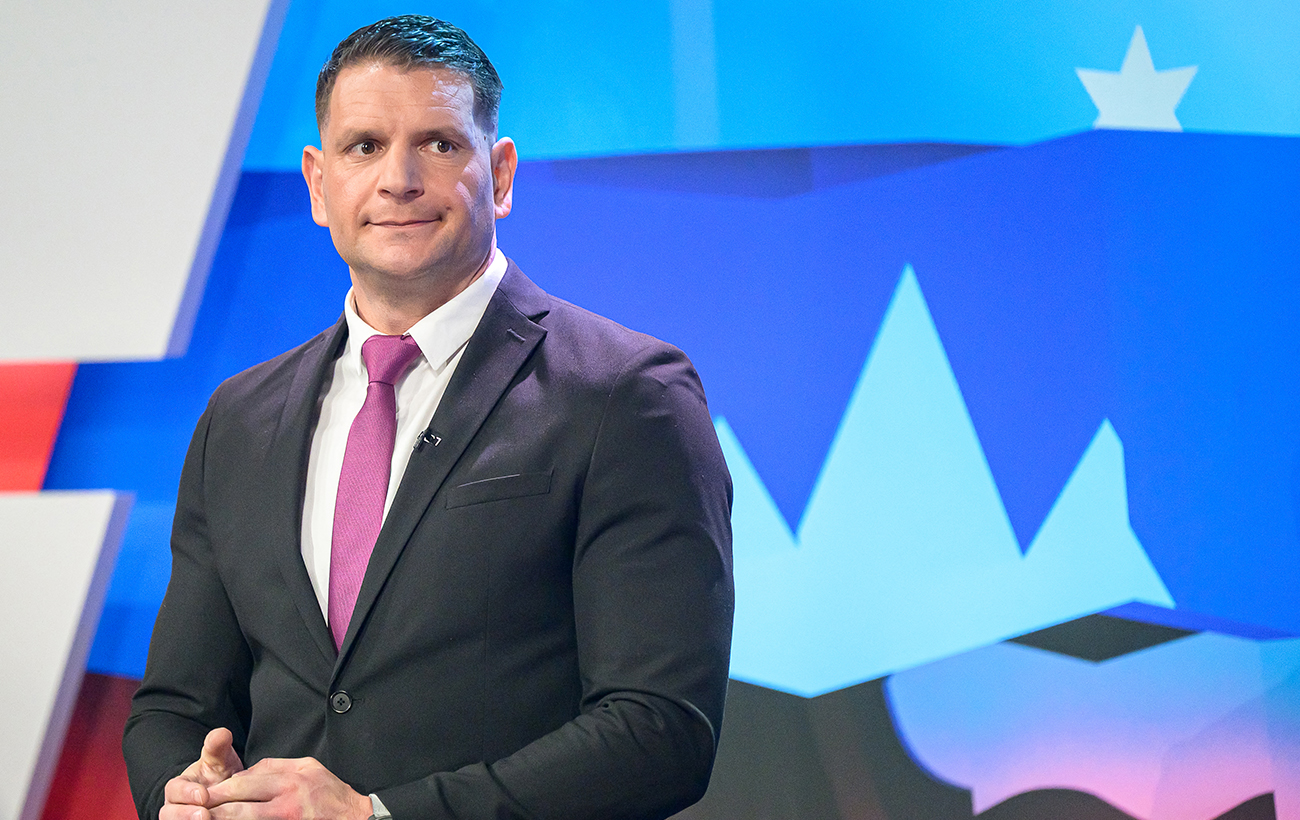
Zoran Stevanović, the new speaker of Slovenia’s parliament (Photo: Getty Images)
After the recent elections, coalition talks in the country have dragged on for weeks with little progress, raising the risk of snap parliamentary elections with unpredictable outcomes.
Romania, not long ago, faced an unprecedented scandal, with elections annulled over credible suspicions of Russian interference. Far-right forces, which had around 40% support earlier this year, sharply criticize Brussels and oppose sending weapons to Ukraine.
Bucharest has not become a full-fledged ally of Moscow, but a powerful anti-establishment sentiment has taken hold in society — something Russian propaganda is actively exploiting. Moreover, the ruling pro-European coalition is now collapsing in real time.
In Austria, the Russian factor appears in a far more polished form. In the 2024 elections, the pro-Russian far-right Freedom Party of Austria came out on top.
They were kept out of government only by an emergency centrist coalition formed specifically to isolate the radicals. However, their support continues to grow in opposition. Rather than openly declaring sympathy for Putin, they skillfully frame efforts to block sanctions and undermine European security as a defense of traditional Austrian neutrality.
At times, it is not fringe figures but mainstream politicians who play into Moscow’s hands. A clear example is the controversy involving Belgian Prime Minister Bart De Wever. His remarks about the need to normalize relations with Russia and return to cheap Russian gas after the war drew a sharp backlash from EU leadership.
De Wever is not a Kremlin agent, but his rhetoric clearly reflects how strongly Western business circles are feeling the strain and how eager they are to return to the old, comfortable status quo.
Europe’s chance to recover
Pro-Kremlin politicians in Europe have always existed and, unfortunately, are not going away anytime soon. Their rise often begins on the political fringes, but Moscow has spent years refining the process of pulling such figures into the mainstream.
After the fall of Viktor Orbán’s system, this Kremlin strategy will not disappear. It will simply evolve, spreading across Europe as a more flexible — but no less dangerous — network.
It is time to move beyond the traditional left-right divide; that framework is increasingly outdated. The real fault line today runs between responsible, system-based politics and radical populism. And Russia’s influence is sustained not by any supposed shared ideology or conservative values.
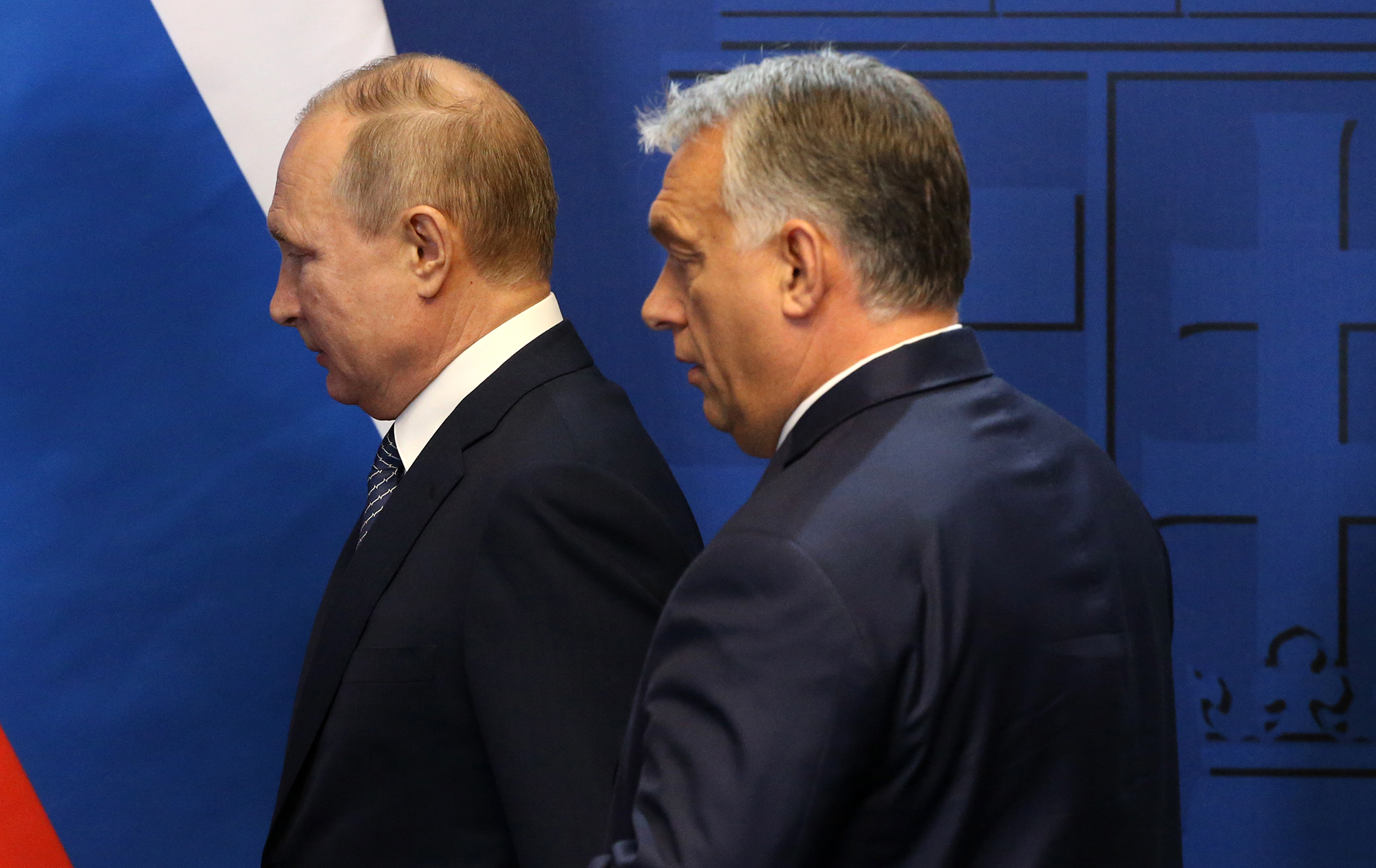
Viktor Orbán and Vladimir Putin (Photo: Getty Images)
The foundation of this influence is strategic corruption, covert financing, and large-scale propaganda. Through bot networks and Kremlin-friendly media, Moscow has spent years spreading the same toxic narratives among Europeans: that the war has exhausted everyone, that domestic economies are collapsing, and that continuing to support Ukraine makes no sense.
As a result, Putin’s allies do not even need to win elections or form governments. Moscow is comfortable with a decentralized network of disruptors across the European Union. In each country, they use local crises, but ultimately serve a single broader goal — eroding institutional unity. Their key objective is to make support for Ukraine appear financially burdensome in the eyes of the voter.
The example of Viktor Orbán shows that it takes only a handful of fragile governments and a few loud opposition figures to paralyze the European system — ready at a critical moment to block decisions with arguments like "it’s too expensive," "this isn’t the right time," or "we should negotiate."
The worst-case scenario unfolds when these forces begin to influence mainstream, traditional politicians. As centrist parties watch their support collapse, they start to panic. In a bid to stay in power, they start echoing the rhetoric of the radicals — suddenly invoking national pragmatism, cautiously hinting at a return to cheap Russian energy, and growing noticeably colder on support for Ukraine.
Hungary has shown Europe that even the long-consolidated authoritarian system can be dismantled through democratic means — especially when, instead of the promised stability, it delivers only corruption and economic decline. Romania, in turn, has set an important precedent, demonstrating that institutions can successfully withstand attempts by Russia to interfere in the electoral process.
The key question for Europe today is whether it can learn to operate without constant internal blackmail and without politicians who trade in fear.
In this context, Ukraine is doing far more for the European Union than just holding back Russian aggression on the battlefield. It is also helping to break a long-standing, deeply rooted fear of Russia among Europeans. And once that paralyzing fear finally disappears, the Kremlin’s main political commodity on the European market will lose its value.
Quick Q&A
– Who has emerged as the main successor to Orbán as the Kremlin’s advocate?
For now, it is Slovak Prime Minister Robert Fico. He has openly blocked aid to Ukraine and used EU mechanisms to pressure the European Commission. However, his position at home is weakening amid falling approval ratings and growing protests.
– Why is Rumen Radev’s victory in Bulgaria seen as a risk?
Radev has secured a parliamentary majority, allowing him to form a government on his own. As a staunch eurosceptic, he could halt military aid to Ukraine and block joint EU decisions.
– How is Russia trying to influence Czechia and Austria?
Through pragmatic politicians and far-right parties. In Czechia, Andrej Babiš is advancing what could be described as a policy of quiet sabotage (cutting defense spending). In Austria, the Freedom Party presents blocking sanctions as a defense of national neutrality.
– What is the main goal of this new network of Putin’s friends in Europe?
The goal is not ideology, but decentralized sabotage. They seek to make support for Ukraine appear financially burdensome to voters, to push mainstream politicians to scale back or abandon support for Kyiv.