Chornobyl ghost city: Exclusive look at the place where time stands still


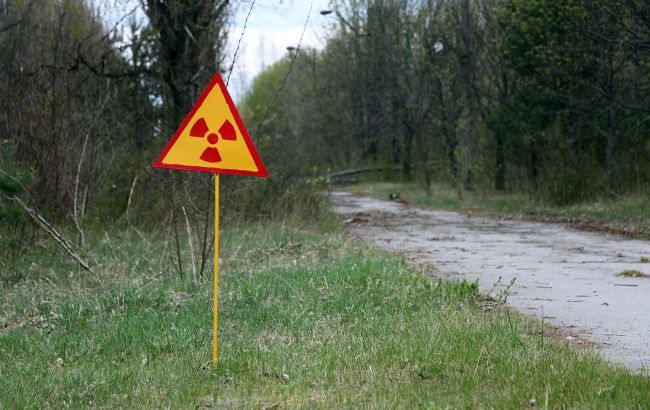 Radiation warning sign in the Chornobyl Exclusion Zone (photo: Dmytro Diatlov)
It has been 40 years since the accident at the Chornobyl Nuclear Power Plant. The 1986 disaster not only changed the course of history but also created a unique exclusion zone where time has effectively stood still. Chornobyl remains a site of global interest, while the abandoned cities of Pripyat and Chornobyl are gradually being reclaimed by nature.
Photographer Dmytro Diatlov visited the Zone and documented what the disaster's epicenter looks like today. How the plant operates, why wildlife is overtaking the remnants of civilization, and what the abandoned locations look like — all are captured in his photo report and accompanying text for RBC-Ukraine. We are publishing the author's firsthand account. Most of the images are being released in the media for the first time.
Key points:
- 40 years on: Chornobyl remains a territory of frozen time, where nature is gradually destroying and absorbing the remnants of civilization.
- Nature without humans: The Zone has effectively become a wildlife reserve, home to thriving populations of wolves, bears, and Przewalski's horses.
- Status of the plant: The station is not abandoned — personnel continue to maintain the New Safe Confinement (Shelter-2) and decommission reactor units.
- Ghost city: Pripyat, evacuated within a day, has become Europe’s largest abandoned city, slowly being overtaken by forest.
- Animal tragedy: During the evacuation, residents were forbidden to take their pets; descendants of surviving dogs still live in the area under the care of volunteers.
- Symbols of memory: An active church in the Zone houses the Chornobyl Savior icon depicting real liquidators.
- The cost of error: Abandoned libraries and schools in Pripyat stand as stark evidence of how human negligence can bring life to a halt.
Chornobyl: Disaster that never really ended
I was born in 1986 — exactly five months after the accident at the Chornobyl Nuclear Power Plant. In Kyiv, just a two-hour drive from the place that forever changed the course of history. Chornobyl was always there — both as a point on the map and as a persistent image in my subconscious.
Chornobyl is not just the past. It is a place where you can see a future without humans. Since childhood, I felt an almost physical pull toward it. So close — the epicenter of one of the world’s worst man-made disasters. I wanted to understand it not through others’ stories, but on my own.
I only managed to enter the Zone many years later — already with a camera, as part of a film crew. That was a few years ago, before the war. But it’s unlikely that anything there could have changed dramatically. Time does not move here — it accumulates.
The Zone: Territory of suspended time
The road to the Zone is a transition. A passage from familiar reality into a space where the past has not gone away — it has remained.
We drove in silence. There was no desire to speak. I wanted to listen to the quiet. On both sides of the road — abandoned villages. Houses with sagging roofs, broken windows, and peeling paint. Once, stoves burned here, bread smelled fresh, and voices filled the air. Now — only wind through empty frames and branches stretching inward, as if the forest is slowly but inevitably reclaiming чужий space.
People left "for three days." Doors left unlocked. Tea unfinished. Toys abandoned. But no one ever came back. Over time, you realize: for these places, the accident was not just a disaster. It was a rupture in time — instant and irreversible. And at the same time, the beginning of another process.
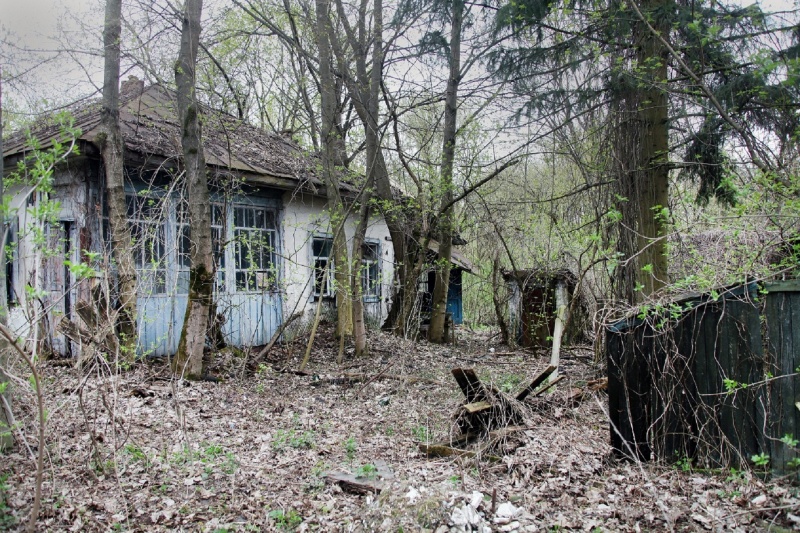
Abandoned villages (photo: Dmytro Diatlov)
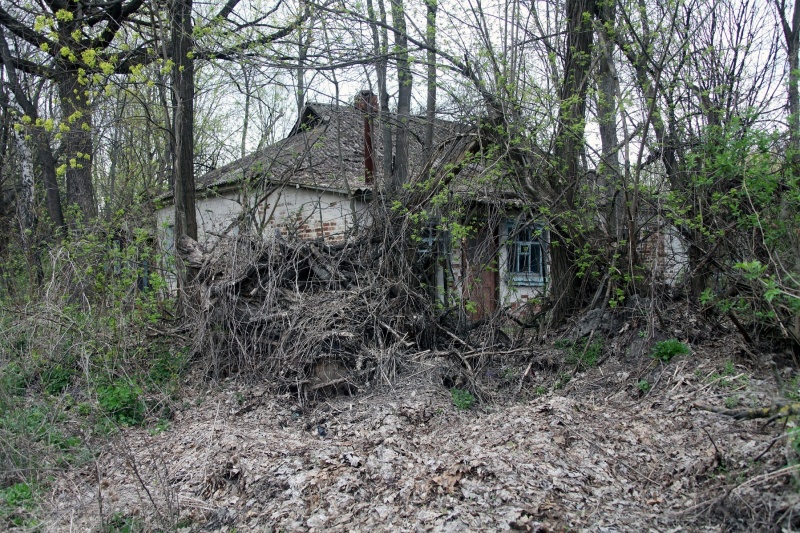
Abandoned villages (photo: Dmytro Diatlov)
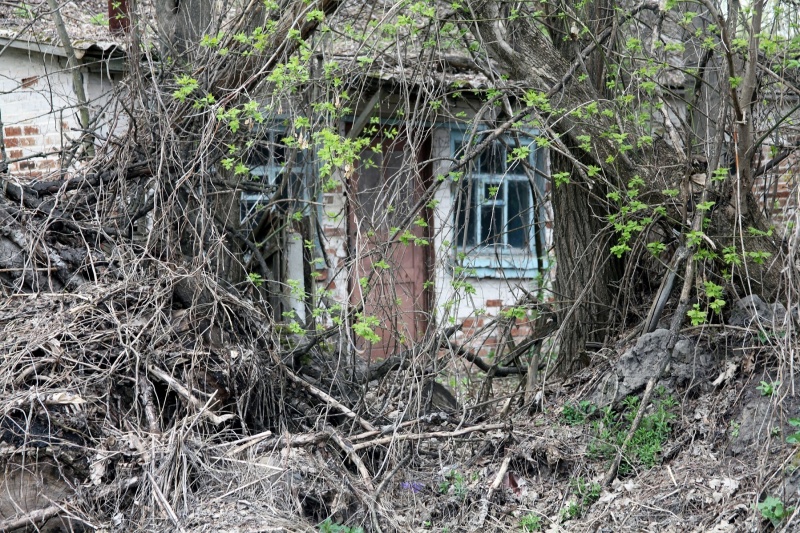
Abandoned villages (photo: Dmytro Diatlov)
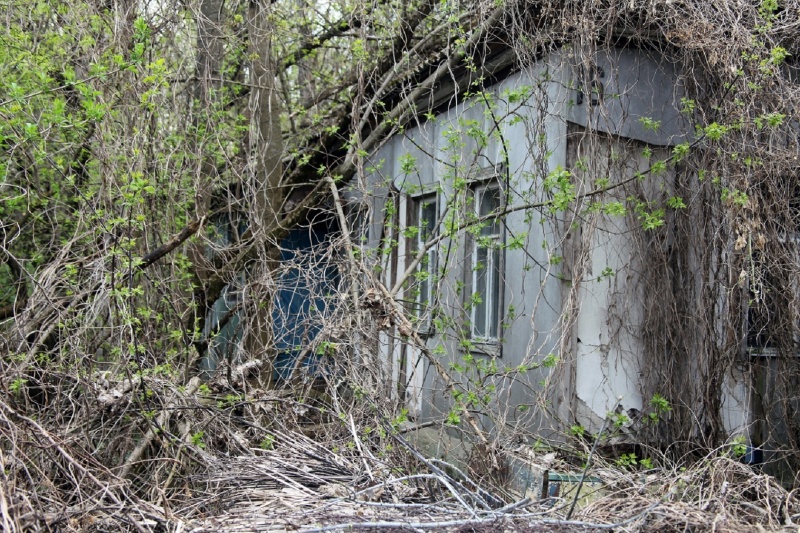
Abandoned villages (photo: Dmytro Diatlov)
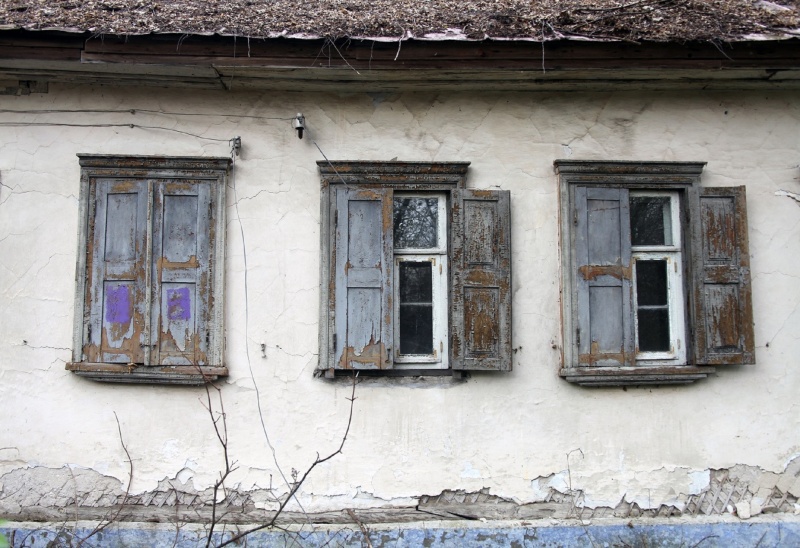
Abandoned villages (photo: Dmytro Diatlov)
Nature: Life after humans
Humans left, and nature came back. Walls are covered in moss, yards disappear under young growth, and paths dissolve into grass. Everything once held together by human effort is gradually being let go.
If you look past the radiation warning signs, you begin to notice something else. This is a territory where one of the rarest experiments in history has taken place without scientists. At some point, it becomes clear: the Zone has turned into a refuge precisely because humans left.
Vegetation here is lush, insects are so numerous that the air feels thick, and birds can be heard everywhere. Water in canals and lakes is teeming with life. Wild animals move with confidence — no one is driving them out or hunting them.
Lynx, wild boar, roe deer, and elk live here. Wolf density is higher than in many European nature reserves. Bears and even bison can be found in the forests. Przewalski's horses, introduced in the 1990s, have adapted and formed a stable population. Radiation remained. Humans did not. And that turned out to be the decisive factor.
For me, Chornobyl is not only a site of disaster. It is also a vivid answer to the question of what our land might look like without constant human interference.
Chornobyl NPP: The plant that cannot die
The plant itself is a paradoxical place. It is not a ruin. It is a functioning mechanism, just with a different purpose. A territory of controlled danger. After the accident, only the fourth reactor was destroyed. The others continued operating for years. The plant was fully shut down only in 2020.
At the time of filming, a new protective arch — the New Safe Confinement (Shelter-2) — was already towering over the destroyed reactor. A massive structure designed to isolate the reactor and enable further work to mitigate the consequences of the explosion.
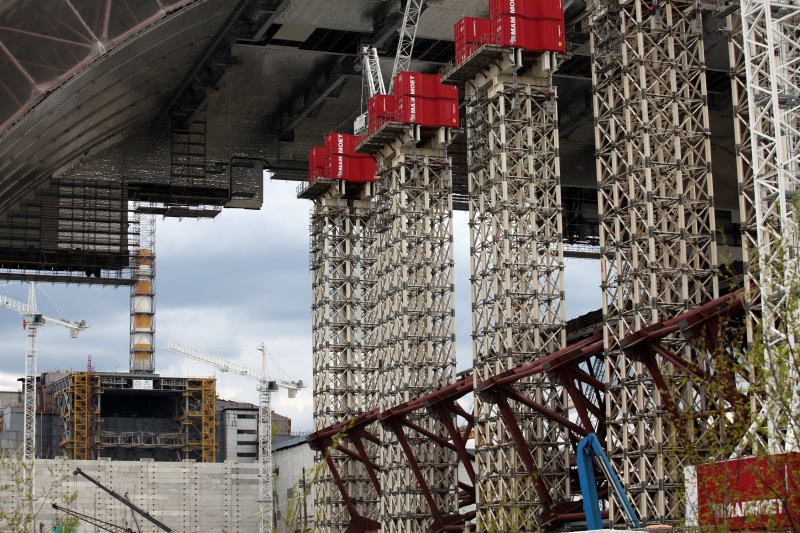
What the Chornobyl plant looks like (photo: Dmytro Diatlov)
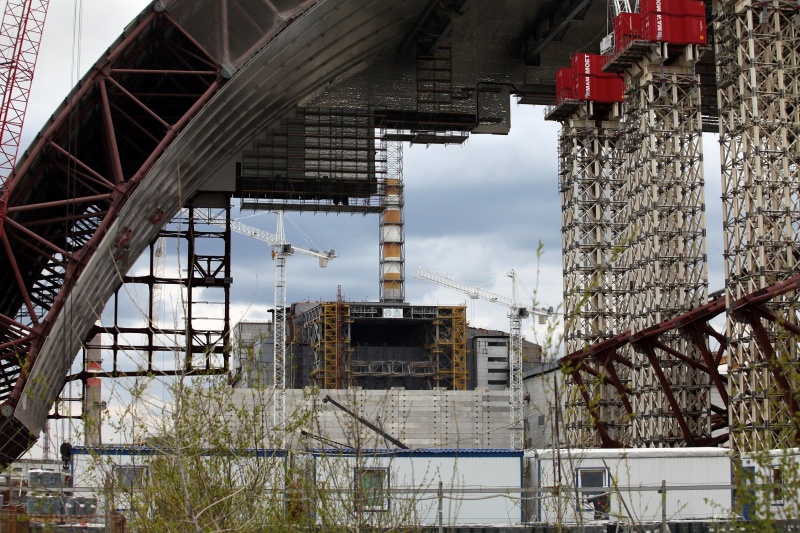
What the Chornobyl plant looks like (photo: Dmytro Diatlov)
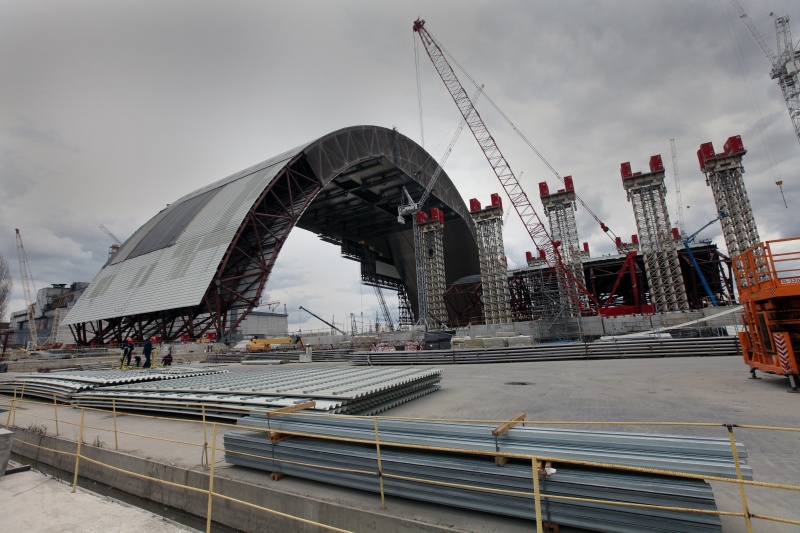
What the Chornobyl plant looks like (photo: Dmytro Diatlov)
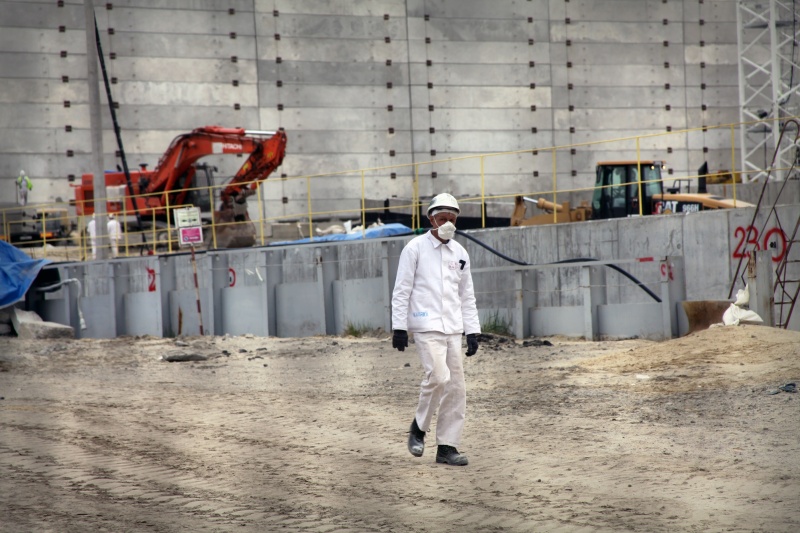
What the Chornobyl plant looks like (photo: Dmytro Diatlov)
We moved around the site only with a guide and along strictly designated routes. Radiation levels vary: in some places, it's almost calm; in others, the dosimeter begins to crackle nervously.
Inside the administrative buildings, the same sense of frozen time persists. Soviet signs, diagrams, posters — a step back into the USSR. Particularly striking are the stained-glass works by artist Mykola Linnyk, completed just before the accident. They depict the story of mastering the "peaceful atom," from Prometheus to space exploration.
And there is another almost surreal image — the cooling pond. The water seems to boil with the movement of massive catfish. Fishing them is, of course, prohibited. This is a radioactive reserve, where an ecosystem has been living under unique conditions for decades.
Today, the Chornobyl plant no longer generates electricity. It is in the process of decommissioning. But it is not a "dead" place — personnel continue to work here, maintaining a complex and fragile system.
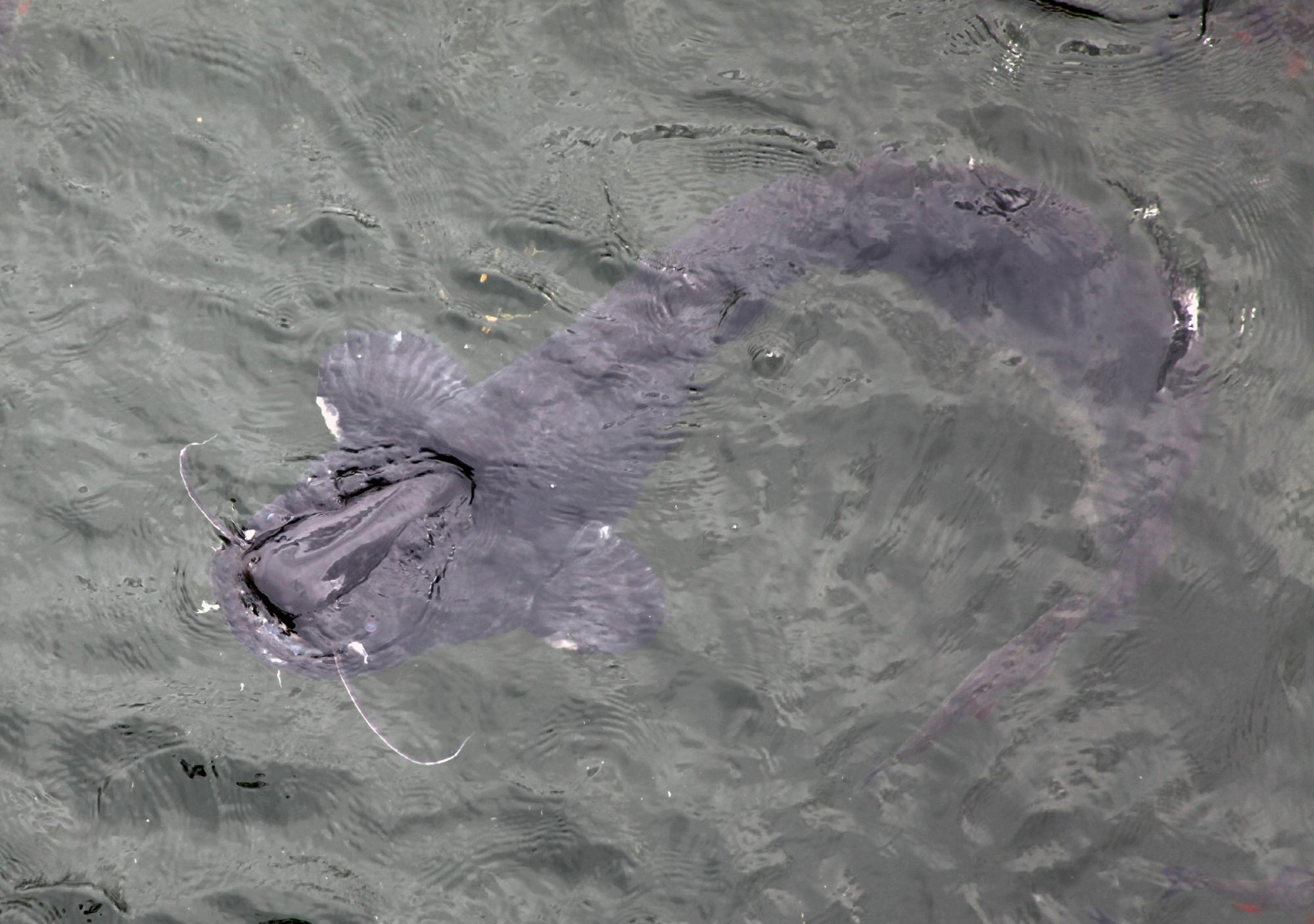
Catfish in a reservoir in the Exclusion Zone (photo: Dmytro Diatlov)
Church: Faith in the midst of emptiness
A few kilometers from the plant stands St. Elijah's Church — the only functioning church in the Zone. It is much older than the Chornobyl Nuclear Power Plant itself. The church survived fires, closure during Soviet times, and World War II, and reopened after the disaster. Its parishioners include plant workers, military personnel, and self-settlers.
Its main shrine is the Chornobyl Savior icon — unique in Orthodox tradition. Alongside images of saints, it depicts real people: firefighters, liquidators, doctors. And the souls of those who died, those who gave their lives to save others. A ball of fire falling from the sky, and people looking up. At the center is a pine tree from the Red Forest, a symbol of the Zone.
Another striking image is Christ holding a bloodied human embryo in His palm — a symbol of the fragility of life and humanity’s responsibility for the future.
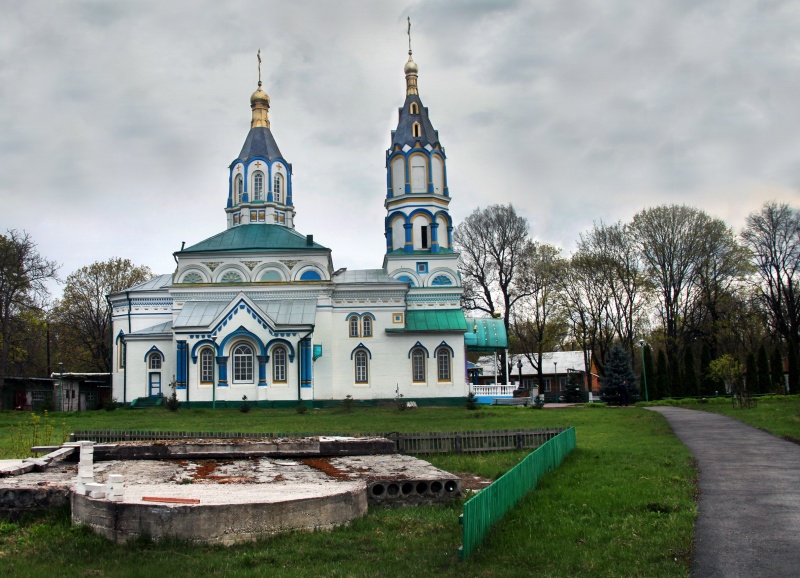
St. Elijah’s Church and the Chornobyl Savior icon (photo: Dmytro Diatlov)
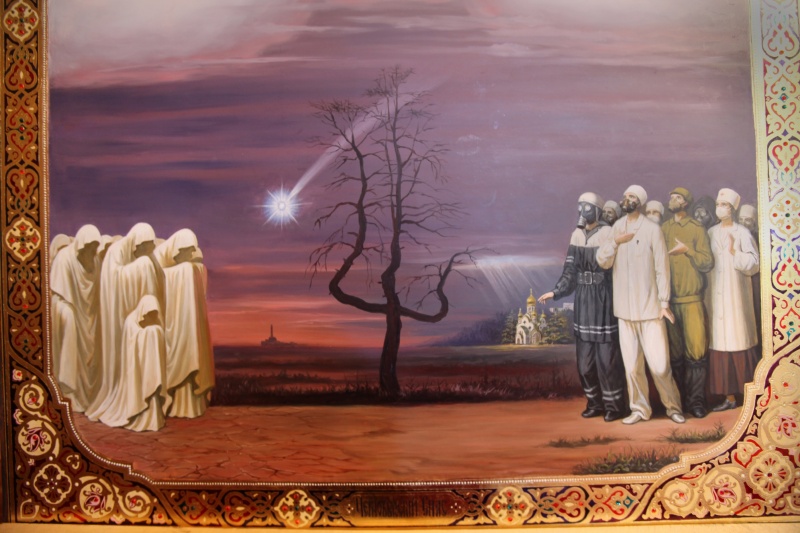
St. Elijah’s Church and the Chornobyl Savior icon (photo: Dmytro Diatlov)
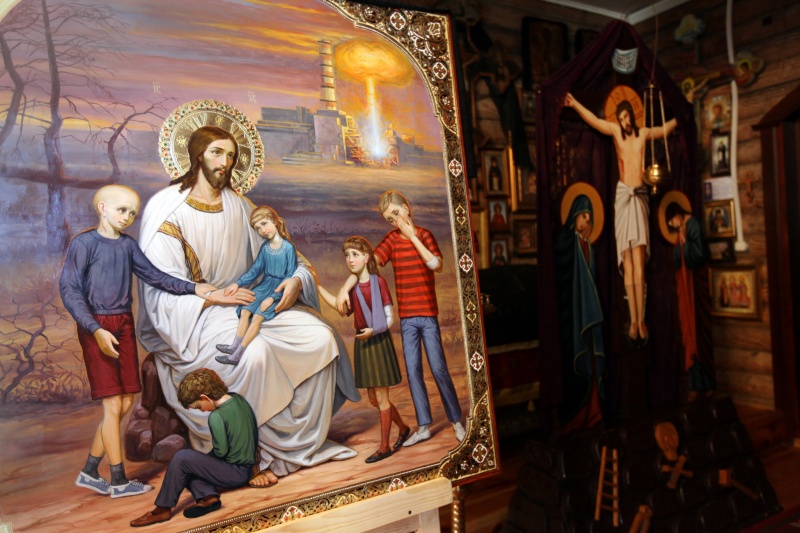
St. Elijah’s Church and the Chornobyl Savior icon (photo: Dmytro Diatlov)
Pripyat: City denied a future
Pripyat was built as a city of the future. Founded in 1970, by 1986 it had around 50,000 residents, with an average age of just 26.
Schools, kindergartens, a swimming pool, a palace of culture, an amusement park, and plans for the future. On April 27, 1986, one day after the accident, the city was evacuated. Within hours, it was emptied. Forever.
Residents were forbidden from taking their pets. Many tried to hide them in bags, but they were almost always discovered. Cats and dogs were left behind in apartments with a few days' supply of food and water. Most died. Later, stray animals were shot by special units to prevent the spread of contamination. It's not something often talked about, but it happened.
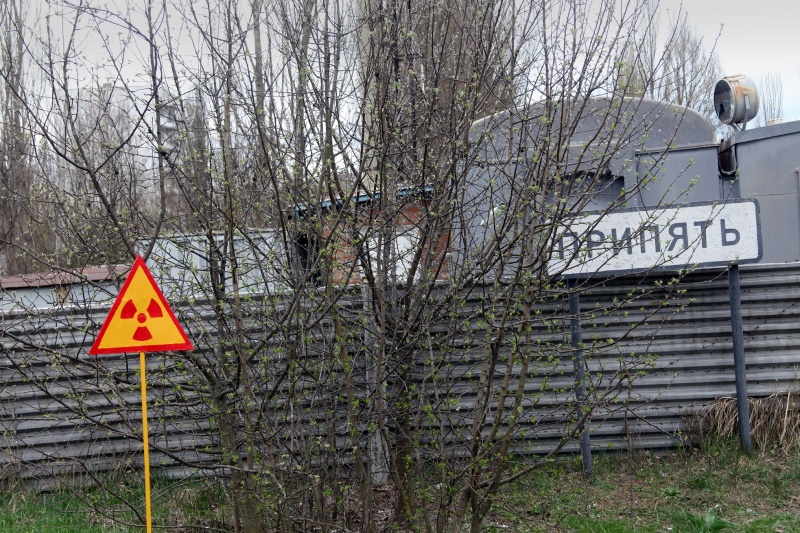
The forever-empty city of Pripyat, now the largest abandoned city in Europe (photo: Dmytro Diatlov)
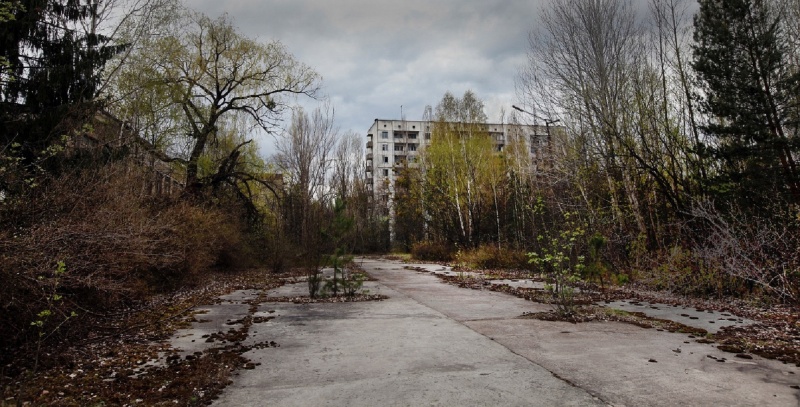
The forever-empty city of Pripyat, now the largest abandoned city in Europe (photo: Dmytro Diatlov)
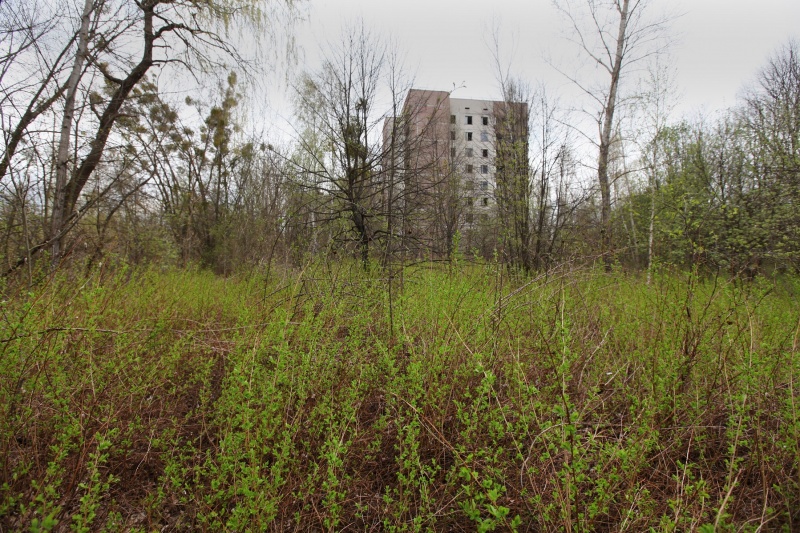
The forever-empty city of Pripyat, now the largest abandoned city in Europe (photo: Dmytro Diatlov)
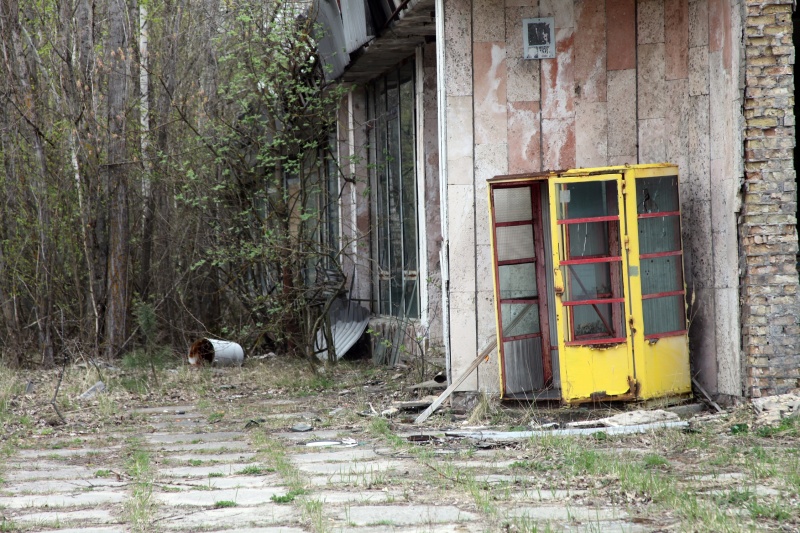
The forever-empty city of Pripyat, now the largest abandoned city in Europe (photo: Dmytro Diatlov)
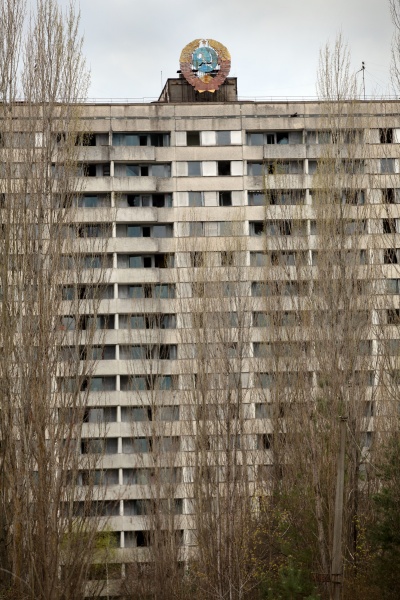
The forever-empty city of Pripyat, now the largest abandoned city in Europe (photo: Dmytro Diatlov)
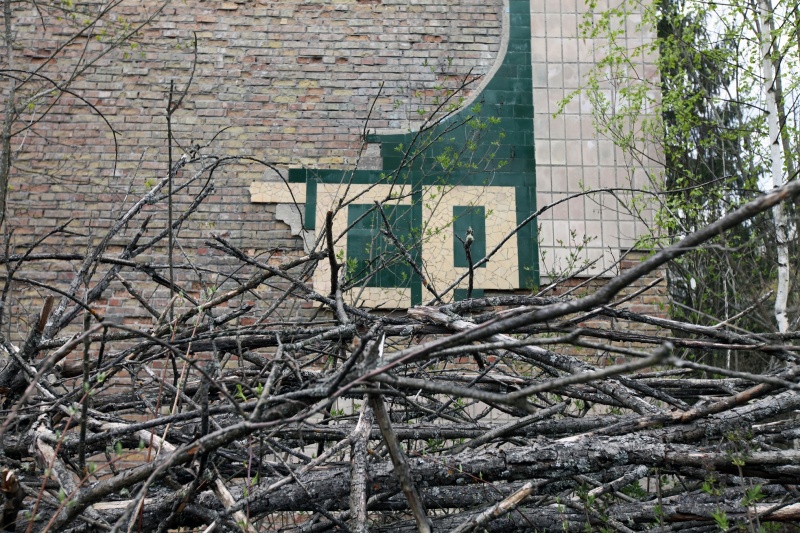
The forever-empty city of Pripyat, now the largest abandoned city in Europe (photo: Dmytro Diatlov)
And yet some animals survived. Dogs that managed to escape formed packs and stayed close to people. Today, volunteers care for their descendants.
Today, Pripyat is the largest abandoned city in Europe. The buildings still stand. Inside — furniture, books, children’s toys. Everything remains. Except the people.
And nature is reclaiming it once again. Trees break through asphalt, branches reach into windows, streets gradually disappear, turning into a forest.
Library: Stories cut off mid-sentence
The city library is one of the most powerful places in Pripyat.
Thousands of books lie on the floor, on broken shelves — open, scattered, torn. Textbooks, newspapers, children's books.
This is not an installation or a museum. It is a space where life stopped in a single moment. Here, you are immersed in a past that did not fade away, as it usually does, but froze somewhere between yesterday and tomorrow.
Among the books are old photographs. Children at their desks, young people by the swimming pool, boats on the river on a summer day. A world that no longer exists and never will again. It is here that you feel most acutely: not only the history of a city was cut short, but thousands of personal stories — mid-sentence, mid-page. And no one ever had the chance to place a bookmark in the unfinished book of life.
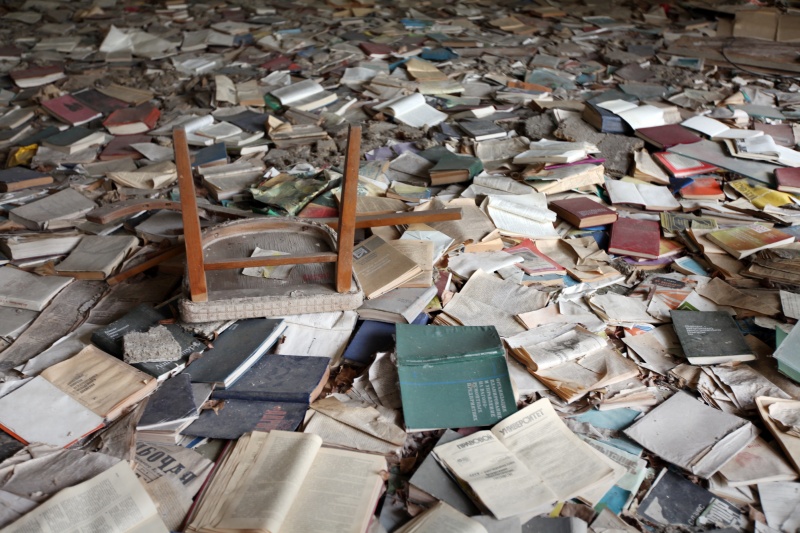
The city library — one of the most powerful places in Pripyat (photo: Dmytro Diatlov)
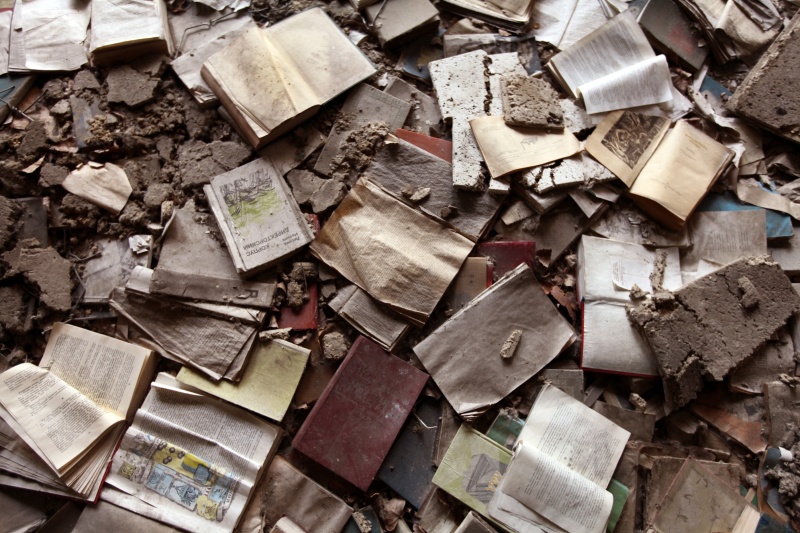
The city library — one of the most powerful places in Pripyat (photo: Dmytro Diatlov)
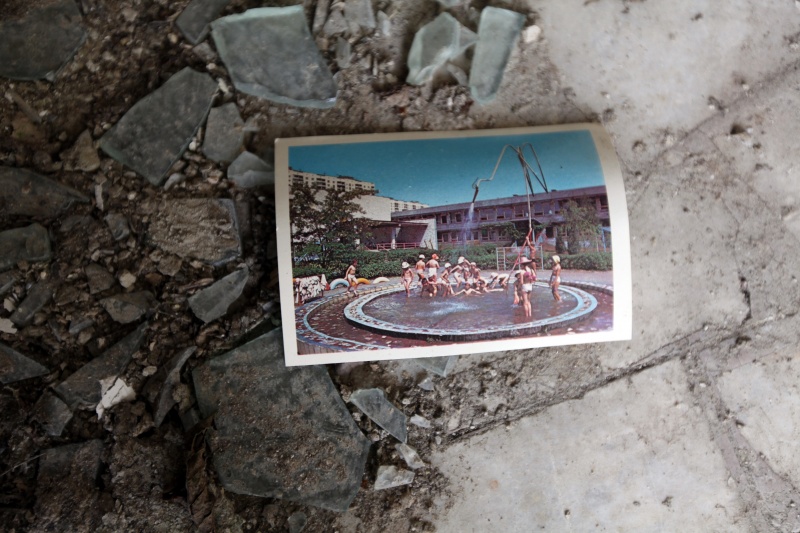
The city library — one of the most powerful places in Pripyat (photo: Dmytro Diatlov)
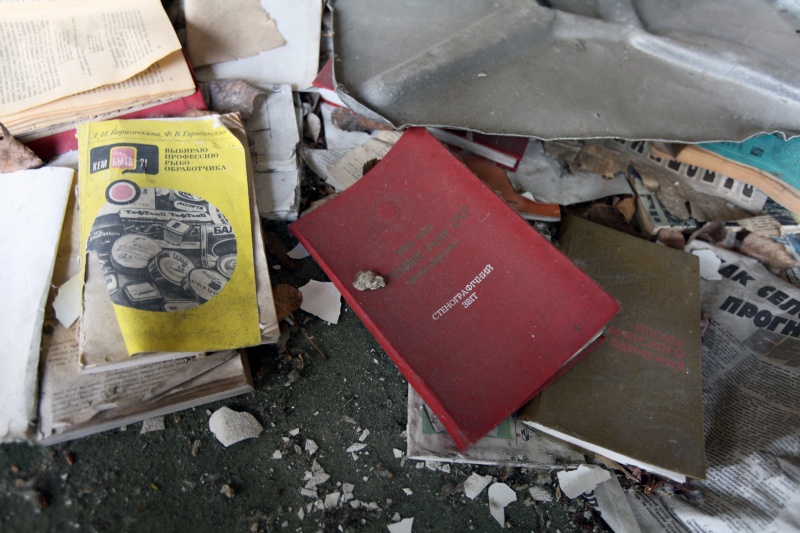
The city library — one of the most powerful places in Pripyat (photo: Dmytro Diatlov)
40 years on: Life that goes on without us
Pripyat is often called an open-air museum. But to me, it is not a museum. It is a ghost city of a past that stopped in 1986, never reaching its long-promised bright future.
A reminder of human negligence capable of causing catastrophe. Of human helplessness in the face of its scale, despite the heroism many showed. Of cruelty justified by good intentions. Of thousands of lives interrupted in a single day.
And at the same time, it is proof that life does not stop. It continues moving forward. With or without us, but no longer by our rules — by its own.
Read RBC-Ukraine's exclusive feature on the liquidators and how Chornobyl plant workers chose to enter the occupation in 2022.