Xi Jinping to visit US in fall at Trump’s invitation

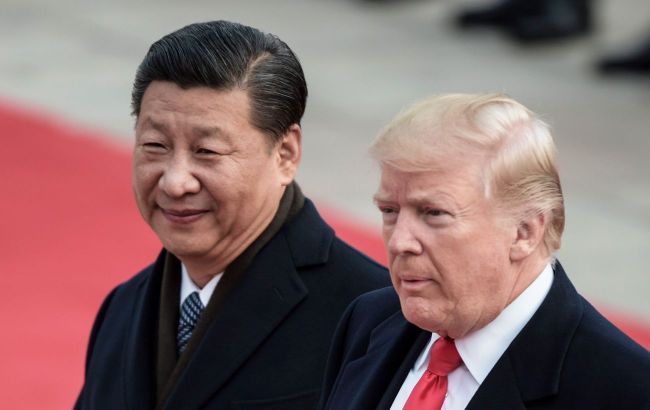 Photo: Donald Trump – Xi Jinping (Getty Images)
Outcomes of the talks and economic decisions
According to the outlet, China’s top diplomat Wang Yi described the recent bilateral summit as "historical," during which the leaders of both countries held in-depth talks.
"This was an important meeting in which the two heads of state engaged in in-depth communication and achieved substantial outcomes," Wang Yi emphasized.
He separately highlighted progress in the trade and economic sphere.
According to him, the sides reached balanced outcomes, particularly regarding access to agricultural product markets and the expansion of trade amid mutual tariff reductions.
In addition, Washington and Beijing agreed to establish special trade and investment councils.
Position on Iran and Ukraine
During the talks, the sides also discussed pressing international security issues.
Regarding the situation around Iran, Beijing called on all parties to resolve disputes, including the nuclear issue, through dialogue and supported the swift reopening of the Strait of Hormuz following a ceasefire.
The leaders also touched on the war in Ukraine. The Chinese side, which maintains close ties with Russia, expressed hope for a swift end to the conflict.
"China and the US are willing to continue maintaining communication and play a constructive role in promoting a political settlement of the crisis," the Chinese foreign minister said.
Sanctions, Taiwan and Putin’s visit
The recent bilateral summit in Beijing was accompanied by a series of high-profile statements and geopolitical maneuvers.
In particular, US President Donald Trump suggested the possibility of lifting sanctions on China related to the purchase of Iranian oil, marking an unexpected concession from the White House following talks with Xi Jinping.
At the same time, China’s leader clearly outlined "red lines" for the US during the meeting. Xi Jinping warned Trump about the risk of a conflict between the two superpowers if the US mishandles the Taiwan issue.
Against the backdrop of these large-scale US–China agreements, it also became known that Russian leader Vladimir Putin plans to travel to Beijing immediately after Trump’s visit concludes.
The Kremlin leader’s trip, scheduled for May 20, is described by sources as a one-day "routine contact" that is unlikely to have the same scale or pomp as the US–China summit.