Workouts that can harm female health: Experts reveal biggest risks

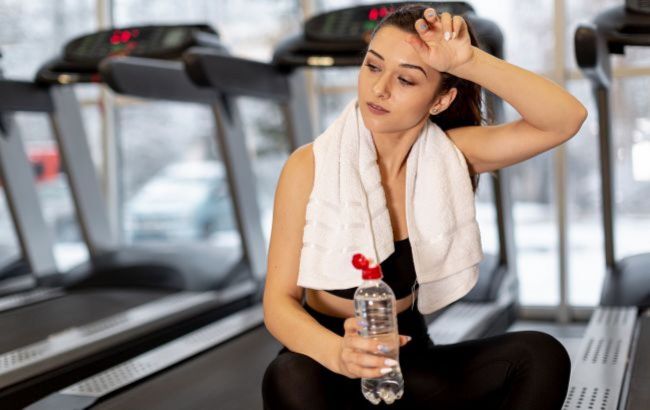 Learn which workouts a gynecologist does not recommend for women (photo: magnific)
Women strive to have the perfect body and toned glutes, and often don't think about how physical activity affects their internal organs. Why working out at the gym can lead to urinary incontinence and uterine prolapse, and which types of exercise are considered the safest, is explained by Iryna Tarnavska, an OB-GYN at the Dobrobut medical network.
What women need to know
The key issue is that pelvic organs—including the uterus, bladder, and rectum—are not suspended in space. They are supported by a complex muscular "hammock" known as the pelvic floor. And the strength and elasticity of this natural support system depend directly on the training techniques you choose.
Best workouts for female health
From a women's health perspective, yoga, Pilates, and gentle stretching are among the most beneficial forms of exercise. Your internal organs will quite literally thank you for making this choice. One of the biggest benefits of these activities is improved circulation.
When we spend long hours sitting during the day, blood flow in the pelvic area can become significantly impaired. Smooth movements in Pilates and inverted poses in yoga help stimulate venous circulation, making them an effective way to prevent pelvic varicose veins and chronic pelvic pain.
In addition, these practices teach proper breathing techniques. In Pilates, for example, every movement is carefully synchronized with breathing. During deep inhalation and exhalation, the diaphragm in the chest moves in coordination with the pelvic diaphragm.
This creates a gentle, natural massaging effect on the internal organs and helps normalize pressure within the abdominal cavity. Better hip mobility—often achieved through stretching—can also help relieve tension in the pelvic floor muscles.
Hidden risk of gym workouts
Strength training and lifting heavy weights create a very different situation. Doctors are not advising women to avoid squats or lunges altogether, since strong core and glute muscles also help support pelvic organs. But the pursuit of muscle definition can come with serious risks.
When a woman lifts too much weight, instinctively holds her breath, and strains, pressure inside the abdomen rises sharply and almost instantly. That entire force is directed downward onto the pelvic floor.
If the pelvic floor muscles are weak or untrained, repeated straining can overstretch them.
This may increase the risk of unpleasant conditions, including stress urinary incontinence, which can appear even while sneezing or jumping, as well as pelvic organ prolapse involving the vaginal walls or uterus.
Key rules for safer fitness
To make sure exercise remains beneficial, the specialist recommends following several important guidelines.
The most important rule is to exert effort only during the exhale. When rising from a squat, make sure to breathe out deliberately. Holding your breath should be avoided, as it creates excessive pressure on the uterus.
It's also important to consciously engage the pelvic floor. Before lifting a heavy dumbbell or performing a lunge, gently activate the pelvic floor muscles by lifting them upward and inward. The sensation is similar to trying to stop urination suddenly. Only after maintaining that muscle engagement should the movement begin.
Finally, the gynecologist stresses the importance of listening to your body. If you feel heaviness in the lower abdomen, pulling pain, or any other discomfort after an intense workout, it may be a sign that the load or exercise technique is not right for you.
After proper exercise, your body should be left with nothing but a sense of lightness and healthy muscle tone.
This material is for informational purposes only and should not be used for medical diagnosis or self-treatment. Our goal is to provide readers with accurate information about symptoms, causes, and methods of detecting diseases. RBС-Ukraine is not responsible for any diagnoses that readers may make based on materials from the resource. We do not recommend self-treatment and advise consulting a doctor in case of any health concerns.