Vessels in Hormuz Strait mask locations and IDs en masse

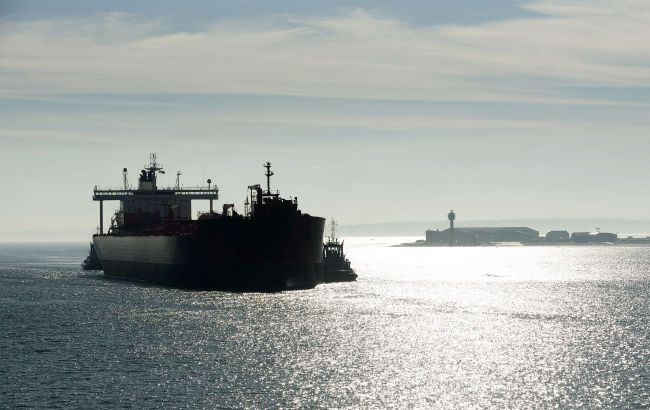 Photo: Ships in the Strait of Hormuz are altering their AIS data to avoid attacks (Getty Images)
Ships passing through the Strait of Hormuz are widely resorting to concealing their location and altering their identification data. This allows crews to avoid potential attacks amid the escalating conflict in the Middle East, according to Nikkei Asia.
Concealment methods and Chinese connection
An analysis of data from the MarineTraffic service showed that cargo ships have begun entering specific information into the Automatic Identification System (AIS).
For example, the vessels Iron Maiden and Sino Ocean entered the phrases CHINA OWNER or CHINA OWNER_ALL CREW in the destination field while passing through the strait.
According to Hidenori Watanave, a professor at the University of Tokyo, the purpose of such actions is to emphasize ties with China, which has friendly relations with Iran, to avoid attacks.
Turning off transponders
In addition to altering data, ship captains often resort to completely turning off transponders before entering a dangerous zone.
In particular, such an incident was recorded involving a liquefied gas tanker owned by the Japanese company Mitsui OSK Lines.
Tracking data showed an anomaly. The vessel allegedly crossed a landmass, which is explained by the disappearance of the AIS signal immediately before the strait and its reappearance after passing the dangerous section near the coast of Oman.
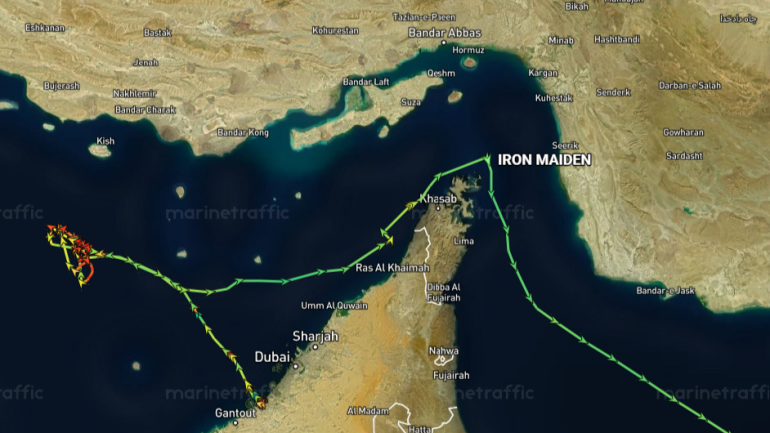
Source: Nikkei Asia
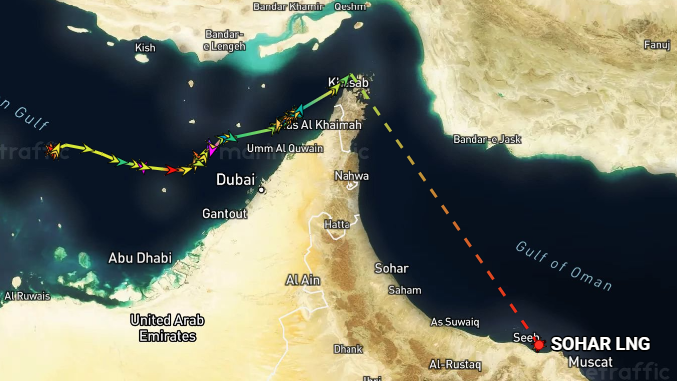
Source: Nikkei Asia
Due to Iran’s threats to close the Strait, many ships are forced to change course or wait near the Persian Gulf. For example, five tankers linked to Japan remained in place for a long time, awaiting the outcome of negotiations between the US and Iran.
"It is unlikely that shipping traffic will immediately return to normal," emphasizes expert Watanave.
Situation in region
The situation in the region has escalated after the US imposed a naval blockade on Iranian ports. According to the US Central Command, during the first 24 hours, no vessel was able to break through the blockade if it was headed for Iran or refused to pay the fees set by Tehran.
At the same time, Iran is considering the possibility of partially reopening the passage through the Omani section of the strait. However, Tehran’s key condition remains the conclusion of a new agreement to prevent military conflict.
In addition to the political standoff, there is a serious mine threat. Currently, the US Navy is conducting a dangerous operation to search for and destroy Iranian sea mines, as Washington and Tehran are effectively playing a deadly game of hide-and-seek in an attempt to prevent a complete paralysis of global oil trade.