Trump’s Hormuz blockade tested: What US forces achieved in first day

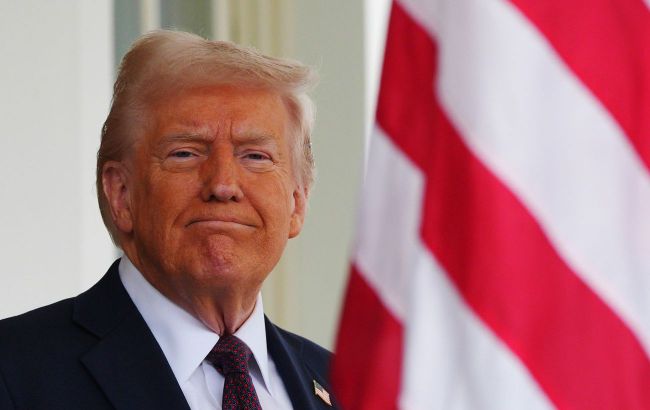 Donald Trump, President of the US (photo: Getty Images)
During the first day of the US blockade in the Strait of Hormuz, no vessel heading to or from Iranian ports managed to break through the cordon, reports the US Central Command (CENTCOM) on X.
"During the first 24 hours, no ships made it past the U.S. blockade and 6 merchant vessels complied with direction from U.S. forces to turn around to re-enter an Iranian port on the Gulf of Oman," the statement said.
CENTCOM emphasized that the blockade is applied impartially to vessels of all countries entering or leaving Iranian ports and coastal areas, including all Iranian ports in the Arabian Sea and the Gulf of Oman.
At the same time, the US Armed Forces assures that they support freedom of navigation for vessels passing through the Strait of Hormuz to and from non-Iranian ports.
The command also reported that over 10,000 American sailors, marines, and airmen, along with more than a dozen warships and dozens of aircraft, are stationed near the Strait of Hormuz.
However, earlier reports indicated that a Chinese tanker under US sanctions managed to pass through the Strait of Hormuz in defiance of the US military blockade. Additionally, another sanctioned tanker, the Murlikishan, passed through the Gulf.
US blockade of the Strait of Hormuz
The US blockade of the Strait of Hormuz was imposed on Monday by order of President Donald Trump after the breakdown of peace negotiations between Washington and Tehran.
Trump threatened that any violators approaching the blockade would be eliminated. The US President also boasted that Iran's naval forces are lying at the bottom of the sea and that 158 of Tehran's ships have been completely destroyed.
As is known, in addition to vessels heading to or from Iran, the United States is also blocking ships that pay Tehran for passage through the Strait of Hormuz. At the same time, US allies have refused to help Donald Trump blockade the strait.
RBC-Ukraine reported that the US blockade of ships in the Strait of Hormuz carries risks. American warships in the narrow strait could become targets for missiles and drones with very short reaction times.
Furthermore, the protracted conflict increases domestic pressure on Trump – gasoline prices may remain high, which is a political problem for Republicans ahead of the midterm elections.
The US and Iran failed to reach an agreement during negotiations in Pakistan, held on April 10-12. Among other things, Tehran is categorically opposed to Washington's key condition – giving up its nuclear program. A second round of negotiations between the countries is expected soon.