US launches new strikes on Iran to reopen Strait of Hormuz

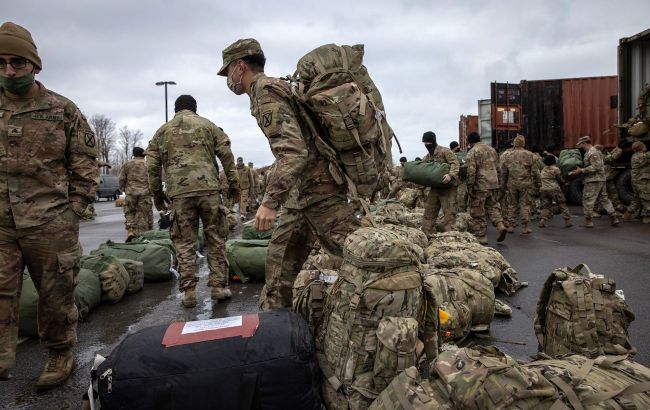 Photo: US military (Getty Images)
The United States has resumed active military operations against Iran following the closure of the Strait of Hormuz, according to US Central Command on X and Bloomberg.
US launches new strikes on Iran
On July 16, the United States carried out a new wave of strikes against Iran. The attacks came on the fifth day after shipping traffic through the Strait of Hormuz dropped sharply.
According to US Central Command, the operation began at 2:00 p.m. Eastern Time. The stated objective was to "further degrade Iranian military capabilities."
Iran's response
Iran responded to previous US strikes by launching attacks on American military bases in Kuwait and Jordan. Kuwait's armed forces reported explosions caused by air defense systems intercepting incoming targets.
Tehran, it seems, will not back down before the warning of US President Donald Trump regarding airstrikes on Iranian power stations and bridges until they open the Strait of Hormuz, the outlet reports.
"As long as the United States does not accept the Iranian legal system, this strait will remain closed," an Iranian military spokesperson said.
Moreover, Iran has asked its Houthi allies in Yemen to prepare to shut down another key oil shipping route in the Red Sea if the United States strikes Iran's energy infrastructure, Reuters reported.
Situation in the Strait of Hormuz
Commercial traffic through the strait remains extremely limited. Most transit has been restricted to vessels linked to Iran, which have been using the northern shipping lane approved by Tehran, Bloomberg said.
Some oil tankers are also passing through the strait without broadcasting their location.
Escalation in the Middle East
Amid the latest escalation, the United States has reinstated its blockade of Iranian ports and canceled oil sanctions waivers. The blockade, initially imposed in April, was later lifted following the signing of a peace agreement.
According to Bloomberg, the Iranian rial has lost about 20% of its value over the past month compared with its level before the temporary agreement with the United States.
Brent crude prices have climbed to around $85 per barrel, rising by 11% since military operations resumed.
US Vice President JD Vance rejected claims that negotiations with Iran are pointless, while stressing that Washington has no intention of launching a ground invasion.
"We’re not going to send 150,000 ground troops in order to accomplish a change in a regime unless the people on the ground themselves want to accomplish that outcome," he said.
The latest wave of US strikes targeted military facilities in southern Iran, including:
- radar systems;
- missile sites;
- drone facilities.
However, the bombardment has not been as intense as during the height of the conflict in March and early April.
Earlier, Iran asked Yemen's Houthi movement to be prepared to block the Red Sea oil shipping route if the United States attacks Iran's energy infrastructure.
Between July 15 and July 16, the United States carried out two rounds of strikes against Iran, targeting multiple military facilities across the country.