US and Iran prepare historic peace agreement, documents reveal

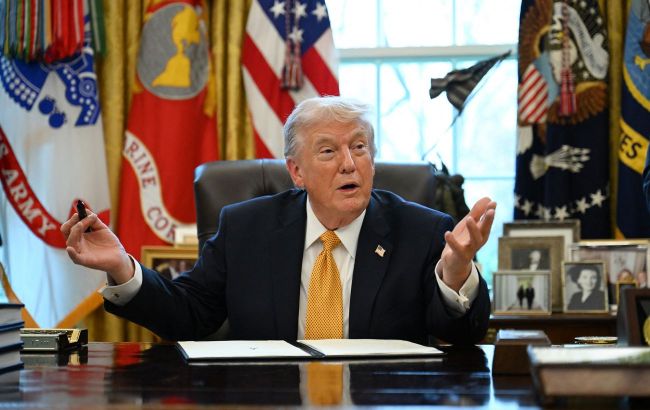 Donald Trump, President of the US (photo: Getty Images)
Washington and Tehran have agreed on a draft Memorandum of Understanding that is intended to end the large-scale military confrontation. The document contains 14 key points and is set to be officially signed this Friday, according to Al Arabiya English.
Immediate ceasefire and unblocking of seas
The main condition of the agreement is a complete and permanent ceasefire on all fronts, including in Lebanese territory. The parties commit to refraining from any hostile actions, threats, and the use of force against each other.
Washington and Tehran have agreed on a draft Memorandum of Understanding that is intended to end the large-scale military confrontation. The document contains 14 key points and is set to be officially signed this Friday, according to Al Arabiya English.
Immediate ceasefire and unblocking of seas
The main condition of the agreement is a complete and permanent ceasefire on all fronts, including in Lebanon. The parties commit to refraining from any hostile actions, threats, and the use of force against each other.
Immediately after signing, the restoration of logistics will begin:
- The US undertakes to lift the naval blockade of Iran within 30 days and restore shipping volumes to pre-war levels.
- Iran undertakes to clear the waters of mines and guarantee safe passage for commercial vessels from the Persian Gulf to the Gulf of Oman.
Troop withdrawal: The Pentagon will withdraw its forces from regions adjacent to Iran within 30 days after the final agreement is concluded.
$300 billion and sanctions relief
A separate section of the memorandum is devoted to Tehran's economic recovery. The US, together with regional partners, has committed to developing a large-scale economic reconstruction plan for Iran, with guaranteed funding of at least $300 billion.
In addition, Washington has agreed to fully lift all types of primary and secondary sanctions against Iran. This applies to both unilateral US restrictions and UN Security Council resolutions and IAEA Board of Governors resolutions. Until sanctions are fully lifted, the US Treasury will issue special permits for the export of Iranian oil and petrochemicals, as well as for banking services. Tehran will also gain full access to all its frozen assets abroad.
Fate of the nuclear program
Iran has officially confirmed in the text that it will never create nuclear weapons. Until the final agreement is signed, the principle of maintaining the status quo will apply:
The agreement states that Iran freezes the development of nuclear technologies at its current level, and the US promises not to impose new sanctions or increase its military presence in the region.
All details regarding the fate of already enriched materials will be settled during the final stage of negotiations, which will last a maximum of 60 days. The final agreement must be approved by the UN Security Council through a binding resolution.
US President Donald Trump has officially announced the end of hostilities between the US and Iran. According to him, the Strait of Hormuz is already opening to civilian vessels, as Washington has lifted the blockade of the Iranian fleet, and Tehran, in turn, has committed to ceasing all attacks on oil tankers.
The historic signing of the peace agreement is set to take place this Friday in Switzerland. Trump emphasised that discussions on the future of Iran's nuclear program would begin only after the ceasefire is legally formalised. At the same time, the American leader set a strict condition: the US is ready to instantly resume military action if Tehran refuses to comply with the nuclear disarmament demands during subsequent rounds of negotiations.