Ukrainian defense official explains how Russia upgraded its Gerbera drones

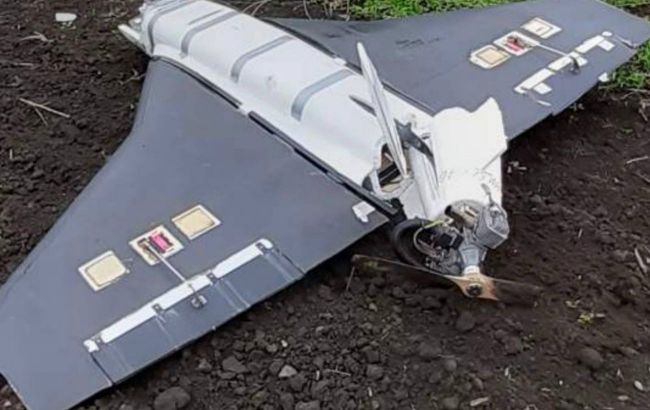 Photo: Gerbera drone (t.me/serhii_flash)
Russia has started equipping Gerbera drones with more advanced antennas. It may indicate an expansion of production capacity for such systems in Russia, stated Ukrainian Defense Ministry adviser Serhii Flash Beskrestnov.
Why Russia uses the Gerbera drone
Ukrainian Defense Ministry adviser Serhii "Flash" Beskrestnov said that the Gerbera UAV was originally used by Russia as an auxiliary tool rather than a primary strike drone.
According to Beskrestnov, the drone is used as a decoy target for Ukrainian air defenses, a MESH communication relay for Shahed drones, a reconnaissance drone, and a means of distributing leaflets.
"That’s why they tried to save money on the Gerberas. At first, they were launched without any satellite navigation protection at all. Later, they started installing Iranian-made four-element CRPA antennas, which are no longer relevant on Shaheds," Beskrestnov said.
New antennas spotted on drones
"Flash" noted that Russian Gerbera drones have recently started appearing with 12-element Kometa antennas.
The Defense Ministry adviser believes this may point to increased production capacity at the Russian plant manufacturing the systems.
"To me, this is a sign that the factory producing Kometa systems has increased its production capacity. Just a year ago, there weren’t enough Kometas even for guided bombs. The factory had a waiting line of three to five months," he said.
More advanced systems reserved for priority targets
Beskrestnov also claimed that 16-element Kometa antennas are currently being installed only on higher-priority Russian systems.
"For now, 16-element Kometas are being installed only on the important systems," Flash added.
Ukrainian Defense Ministry adviser Serhii "Flash" Beskrestnov previously said Russian forces had changed their tactics for using Shahed kamikaze drones. According to him, a large number of drones are now flying along the border with Belarus.
Flash also stated that Shahed drones have begun performing evasive maneuvers when approached by Ukrainian interceptor drones. The first signs of a possible technical solution allowing these drones to evade interception have already appeared online.